ISLAMABAD: Pakistan has formally operationalised two new overland trade corridors through Iran and China, significantly reducing its dependence on Afghanistan as the primary transit route to Central Asia in a move that is expected to reshape regional trade and logistics.
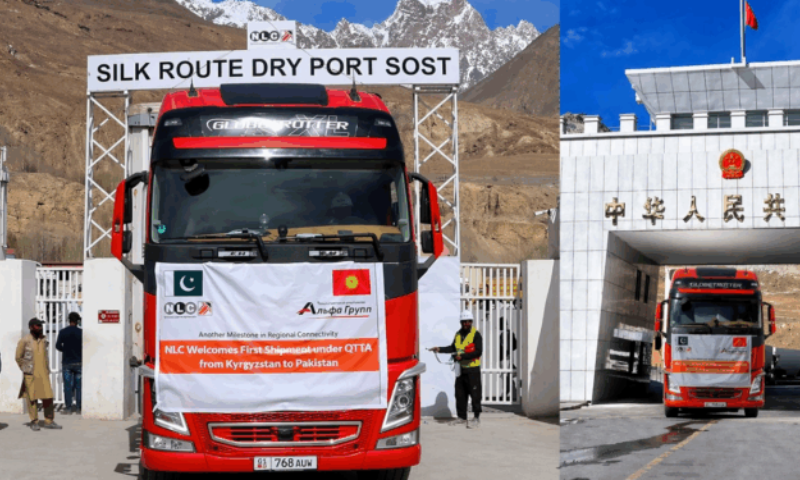
The new corridors, launched in April 2026, link Pakistan with Central Asian markets through Iran’s Gabd-Rimdan border crossing and China’s Sost Dry Port.
The initiative follows Islamabad’s decision to indefinitely close the Torkham and Chaman border crossings with Afghanistan in October 2025 over persistent security concerns and cross-border terrorist attacks.
The alternative routes are designed to provide uninterrupted access between Pakistan’s ports and landlocked Central Asian states while strengthening the country’s ambition to become a regional trade and transit hub.
According to officials, more than 14,000 metric tonnes of cargo have already been transported through the two corridors since their launch, demonstrating growing commercial confidence in the new network.
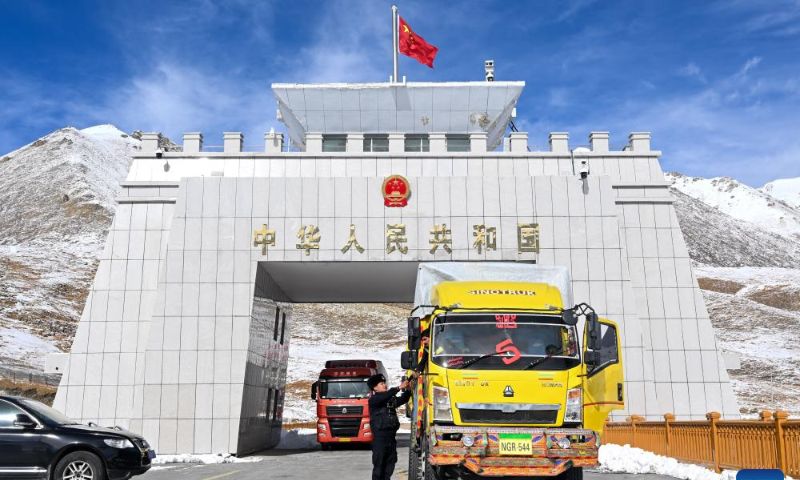
One of the key milestones was the movement of the first export consignment from Karachi Export Processing Zone to Kyrgyzstan via the Sost Dry Port under the Transports Internationaux Routiers (TIR) system.
The shipment was processed electronically through the Pakistan Single Window (PSW), highlighting the government’s efforts to modernise customs and cross-border trade procedures.
The 3,300-kilometre Bishkek-Karachi corridor, operating under the Quadrilateral Traffic in Transit Agreement (QTTA), has also completed its first two-way commercial operations.
While Pakistani exports moved northwards, transport fleets from Kyrgyzstan returned with minerals and textile products, establishing the route as a viable bilateral trade corridor rather than a one-way export channel.
The western corridor through Iran has likewise begun handling commercial cargo, including refrigerated food products and industrial goods destined for Uzbekistan and Kyrgyzstan.
Pakistan has upgraded facilities at the Gabd-Rimdan border terminal with modern scanning and customs infrastructure to improve cargo handling and reduce transit times.
For decades, Pakistan’s land access to Central Asia relied almost entirely on routes passing through Afghanistan. However, recurring border closures, security threats, unpredictable transit arrangements and terrorist violence increasingly undermined the reliability of those connections.
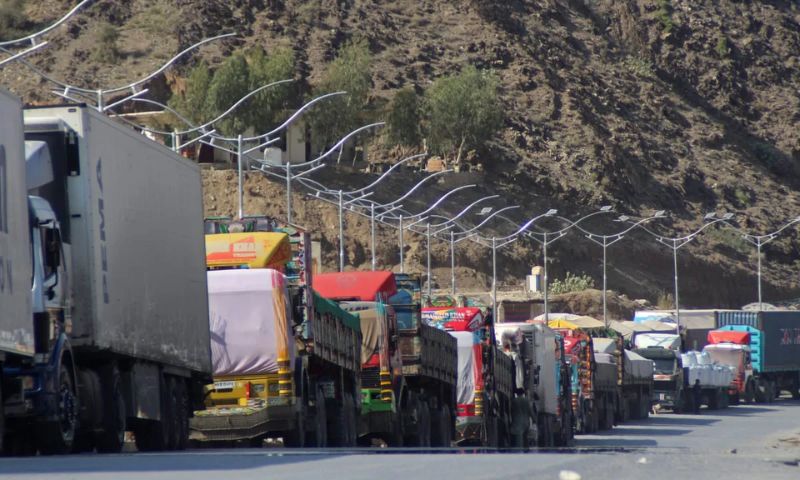
Following the Taliban’s return to power in 2021, concerns over cross-border security intensified, culminating in Pakistan’s decision last year to suspend the main transit crossings indefinitely.
The new corridors are expected to offer Central Asian countries a more predictable and secure gateway to international markets through Pakistan’s ports.
By avoiding Afghanistan, exporters are likely to benefit from lower logistical risks, faster customs processing and improved cargo tracking through digital systems.
The development also reinforces the strategic importance of Gwadar Port under the second phase of the China-Pakistan Economic Corridor (CPEC).
With continuing tensions affecting shipping around the Strait of Hormuz, Gwadar is increasingly being viewed as an alternative maritime outlet for regional trade.
Situated about 400 kilometres east of the Strait of Hormuz, the port provides access to the Arabian Sea while reducing exposure to one of the world’s most sensitive maritime chokepoints.
Analysts believe the expansion of these trade routes could enhance Pakistan’s role as a regional logistics hub by generating additional revenue through port operations, warehousing, transport services and customs activities.
The corridors are also expected to strengthen economic integration between Pakistan, Iran, China and the Central Asian republics, providing landlocked economies with diversified access to global markets while reducing reliance on traditional transit routes.
The broader regional implications are equally significant. By establishing commercially viable alternatives through Iran and China, Pakistan has reduced Afghanistan’s long-standing leverage as the principal overland bridge between South and Central Asia.
Observers say the shift reflects a wider regional trend towards geo-economic cooperation, with countries increasingly prioritising connectivity, trade and infrastructure over longstanding political and security disputes.
As Eurasian transport networks continue to evolve, Pakistan’s emerging multimodal corridor strategy is expected to play an increasingly important role in linking Central Asia with international markets through its southern coastline.