Key Points
- Oil export restrictions eased
- Access to frozen assets planned
- Nuclear disputes deferred
- Final deal talks continue
ISLAMABAD: The Islamabad Memorandum of Understanding between the United States and Iran to end the war has brought Tehran significant economic relief in exchange for relatively limited immediate concessions.
According to international media reports, the MOU, the initial agreement, has set the stage for negotiations on more contentious issues over the coming weeks.
The framework agreement provides Iran with access to major economic benefits, including oil export waivers, the phased release of frozen assets and the prospect of large-scale investment, even as key disputes over its nuclear programme remain unresolved, according to The Guardian.
The preliminary deal comes after a devastating conflict that severely strained Iran’s economy, disrupted regional trade and rattled global energy markets.
Both sides faced mounting economic pressures, creating strong incentives to secure at least a temporary settlement.
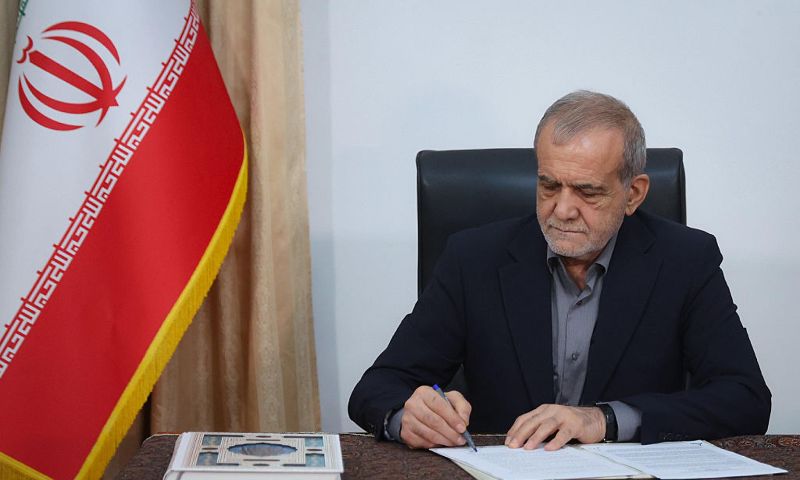
ALSO READ: Iranian President Calls Islamabad MoU ‘A Historic Document’
Economic benefits Iran can expect
Under the MOU, Iran is expected to benefit from temporary waivers, enabling resumption of oil exports, potentially restoring tens of billions of dollars in annual revenue.
Analysts estimate that a return to near pre-conflict production levels could generate more than $60 billion annually for Tehran’s economy.
The framework also envisages phased access to more than $100 billion in frozen Iranian assets held abroad.
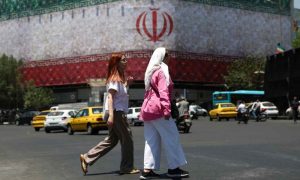
However, US officials insist that the release of funds will depend on Tehran meeting specific commitments during follow-up negotiations, according to the New York Post.
Another major incentive is a proposed $300 billion Reconstruction and Development Fund backed by private-sector investors from multiple regions.
More than half of the planned investment pool has reportedly already been committed, targeting sectors including energy, transport, manufacturing and logistics.
Critics argue that the initial arrangement postpones rather than resolves the most difficult issues.
The initial agreement largely sidesteps detailed negotiations over Iran’s nuclear activities, ballistic missile programme and regional proxy networks, leaving those matters for a subsequent phase of talks.
The memorandum of understanding establishes a 60-day ceasefire and negotiation period, during which both sides will attempt to convert the preliminary framework into a comprehensive accord.
The document reportedly includes broad commitments regarding Iran’s nuclear ambitions but leaves many enforcement mechanisms undefined.
Supporters of the agreement argue that Iran’s weakened economic position and military setbacks created an opportunity for diplomacy.
Opponents, however, contend that Tehran is receiving substantial economic rewards before making irreversible concessions on issues that have long been at the centre of tensions with Washington.
Economic pressures led to deal
Iran entered the negotiations amid a deep economic crisis marked by high inflation, currency weakness and shrinking access to international markets.
Before the agreement, Iranian officials had been seeking a limited interim arrangement aimed primarily at obtaining liquidity, easing economic pressure and stabilising domestic conditions.
For global markets, the reopening of energy flows through the Strait of Hormuz and expectations of increased Iranian oil exports have helped ease concerns about supply disruptions that previously pushed oil prices sharply higher.
The coming two months are expected to determine whether the preliminary accord evolves into a durable settlement or merely provides a temporary pause in one of the Middle East’s most consequential confrontations.
Pakistan’s mediation role
The breakthrough agreement followed months of intensive diplomacy led by Pakistan, which emerged as a key intermediary after hostilities between the United States and Iran.
Islamabad was among the first capitals to publicly urge an immediate ceasefire, warning that continued escalation could trigger a wider conflict across the Middle East.
Building on its longstanding relations with both Washington and Tehran, Pakistan facilitated back-channel contacts that helped secure an initial cessation of hostilities and created space for formal negotiations.
Economic de-escalation
Those efforts culminated in the Islamabad Talks, where representatives of the two sides agreed on a framework for confidence-building measures and economic de-escalation.
Continued Pakistani mediation, supported by several regional and international partners, eventually paved the way for the signing of the Islamabad Memorandum of Understanding (MoU).