
Key Points
- Brent crude holds above $83 a barrel after a near 5% plunge.
- WTI crude trades around $81 a barrel
- Markets reassess implications of the preliminary US-Iran peace agreement.
- Analysts see further downside if Hormuz shipping normalises
ISLAMABAD: Global oil prices steadied on Tuesday after suffering their sharpest one-day decline in months.
The oil traders and investors weighed uncertainty surrounding a preliminary peace agreement between the United States and Iran against expectations that energy supplies moving through the Strait of Hormuz could gradually return to normal.
Brent crude was trading above $83 per barrel after tumbling more than 4% on Monday, its lowest level in about three months.
US benchmark West Texas Intermediate (WTI) crude also stabilised near $81 per barrel after posting a similar decline.
The dramatic sell-off followed the announcement of a memorandum of understanding between Washington and Tehran aimed at ending months of conflict in the Gulf.
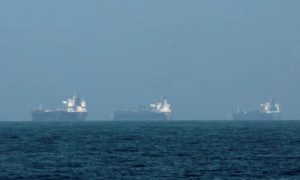
The announcement paved the way for the reopening of the Strait of Hormuz, a strategic waterway that normally carries about one-fifth of the world’s oil supplies.
Financial markets interpreted the development as a sign that a significant portion of the geopolitical risk premium built into oil prices since the outbreak of the Iran war could soon disappear.
The prospect of increased crude flows from the Gulf prompted traders to unwind bullish positions accumulated during the conflict.
Despite Monday’s sharp decline, prices found support on Tuesday as investors sought clarity on the agreement announced by Pakistan’s Prime Minister Shehbaz Sharif.
The traders were more curious than journalists about the exact timeline for restoring shipping traffic and the security arrangements for maritime operations in the Strait.
Analysts cautioned that the path to normalisation remains uncertain. The agreement has boosted confidence that supply disruptions may ease.
However, shipping companies, insurers and energy producers are expected to proceed cautiously until navigation routes are fully secured and commercial operations resume at scale.
The latest decline has prompted several financial institutions to revise their oil outlooks.
Citi lowered its Brent crude forecasts, citing a growing probability that trade flows through the Strait of Hormuz could return to normal by mid-to-late July.
The easing in crude prices has also improved the global inflation outlook, raising expectations that lower energy costs could reduce pressure on consumers and central banks in major economies.
Even after the recent correction, market participants remain alert to geopolitical developments.
Any delays in implementing the agreement, setbacks in negotiations or renewed security concerns in the Gulf could quickly reintroduce volatility into energy markets.