
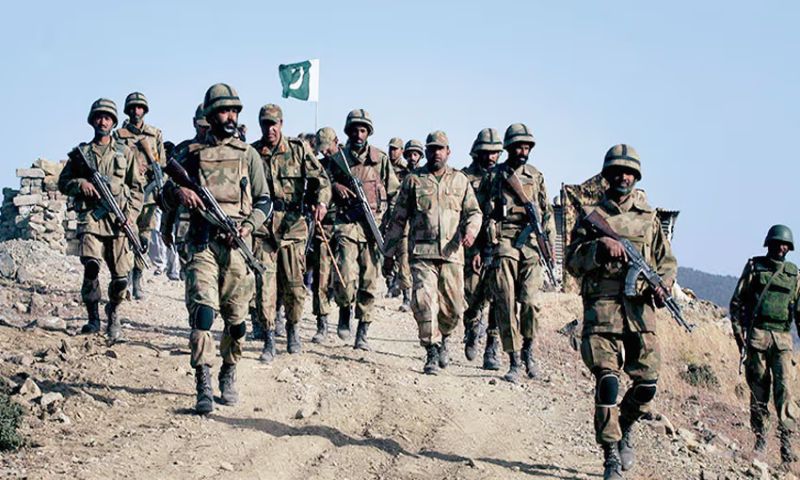
ISLAMABAD: Pakistan’s security forces have killed 48 terrorists, including four senior commanders, during a series of intelligence-based operations conducted over the past 72 hours in North Waziristan district of Khyber Pakhtunkhwa, according to the military’s media wing.
In a statement issued on Saturday, the Inter-Services Public Relations (ISPR) said security forces engaged multiple terrorist hideouts in and around Miran Shah, leading to intense exchanges of fire and the elimination of 21 more terrorists during the latest phase of the operations.

The military said the terrorists belonged to Fitna-al-Khwarij, which Pakistan describes as an Indian-sponsored terrorist network operating inside the country.
Among those killed were four senior terrorist commanders identified as Khalid Raza alias Salar, Muftoon, Musa and Imran alias Ayan. According to the ISPR, the commanders were highly wanted for their involvement in numerous terrorist attacks, including the killing of security personnel and innocent civilians.
The latest engagements bring the total number of terrorists killed in the ongoing operations to 48, dealing a significant blow to the group’s operational network in the region.
Security forces also recovered weapons and ammunition from the terrorists. The ISPR said the recovered arms were being used in attacks against security forces and civilians.
The operations come as Pakistan continues its nationwide counterterrorism campaign under Azm-e-Istehkam, a strategy approved by the Federal Apex Committee under the National Action Plan to dismantle terrorist networks and strengthen internal security.
The military said sanitisation operations were continuing in the area to clear any remaining terrorist presence and ensure long-term stability.
Pakistan has witnessed a rise in terrorist violence in recent years, particularly in its western border regions. Security officials maintain that terrorist groups operating in the country receive external support and have reiterated their commitment to eliminating terrorism and safeguarding national security through sustained intelligence-led operations.