Key Points
- Groundwork for the refinery project has already begun
- The refinery will process a wide range of international crude oil grades
- Developers say the project could catalyse downstream petrochemical industries
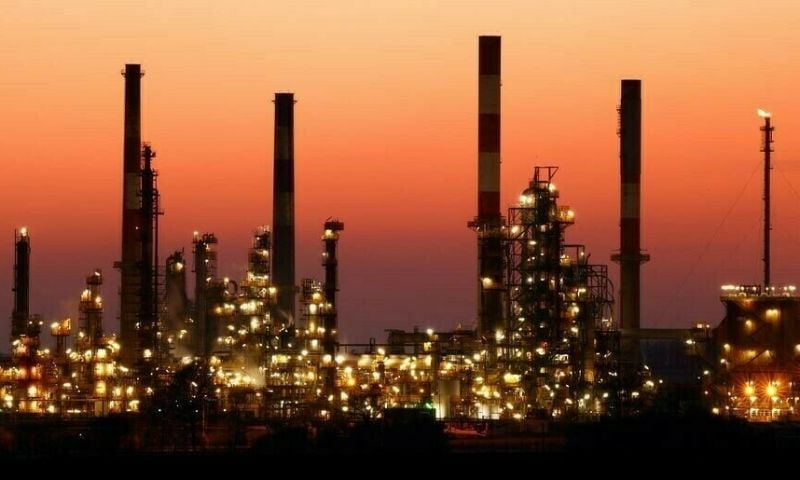
ISLAMABAD: A private energy firm plans a $4.5 billion oil refinery project in Pakistan’s Balochistan province, marking one of the largest proposed greenfield investments in the country’s energy sector to cut reliance on imported refined petroleum.
SPEC Refinery is a private-sector company established to build and operate large-scale energy infrastructure.
The refinery company would lead the project as a corporate vehicle to structure the investment.
It would also develop and manage the proposed refinery project and bring together financial, technical and industrial partners to execute a complex, capital-intensive industrial facility.
The company is advancing plans to establish Pakistan’s first deep-conversion refinery from scratch in Hub, an industrial zone near Karachi.
A greenfield refinery is a completely new facility built on undeveloped land, designed with modern infrastructure and advanced processing systems rather than upgrading the existing plants.
The development was discussed during a meeting between Federal Minister for Commerce Jam Kamal Khan and a delegation of SPEC Refinery Pvt Ltd, led by Chairman Zafar Sheikh, according to an official statement released on Wednesday.
Officials said groundwork for the project has already begun, while detailed implementation plans and remaining regulatory approvals are being finalised.
The Federal Board of Revenue (FBR), Pakistan’s national tax authority, is among the institutions expected to clear pending approvals required for timely execution.
The proposed refinery will use deep-conversion technology, an advanced refining method that breaks down heavier crude oil into lighter, higher-value products such as petrol, diesel and petrochemical feedstocks.
This allows higher efficiency and the ability to process a wider range of crude oil grades imported from international markets.
Government and company representatives said the project is aligned with Pakistan’s Greenfield Refinery Policy, a framework designed to attract investment in new refining capacity through incentives and regulatory facilitation.
During the meeting, the delegation said the project is a long-term investment aimed at strengthening energy security, reducing dependence on imported petroleum products.
It would support the development of downstream petrochemical industries that rely on refined oil outputs.
Chairman Zafar Sheikh said the refinery is expected to create around 2,000 direct and indirect jobs during both construction and operational phases.
The project also entails additional economic benefits through skills development, technology transfer and industrial growth in the Hub region.
He added that the project could catalyse industrial expansion, particularly in petrochemicals, where refined oil products are used as raw materials for manufacturing plastics, chemicals and other value-added goods.
Jam Kamal Khan welcomed the investment, saying Pakistan’s geographic location at the crossroads of South Asia, Central Asia, the Middle East and western China provides strong potential for energy, logistics and industrial projects.
He noted that Pakistan’s population of more than 250 million, expanding trade corridors and regional connectivity initiatives offer a strong foundation for transforming the country into a hub for trade, energy and industrial activity.
Pakistan has significant untapped potential in refining, petrochemicals and value-added manufacturing, the minister said.
Strategic projects such as the Hub refinery can strengthen industrial capacity, support import substitution, create employment and attract long-term domestic and foreign investment.
He renewed the government’s commitment to facilitating investment that contributes to economic growth, industrial modernisation and export expansion.
The delegation also outlined broader plans for future petrochemical facilities related to the refinery, including production units for industrial feedstocks that could support Pakistan’s manufacturing sector and generate additional export opportunities.
Both sides agreed on the importance of sustained collaboration between the public and private sectors to accelerate industrial investment and unlock Pakistan’s full economic potential.