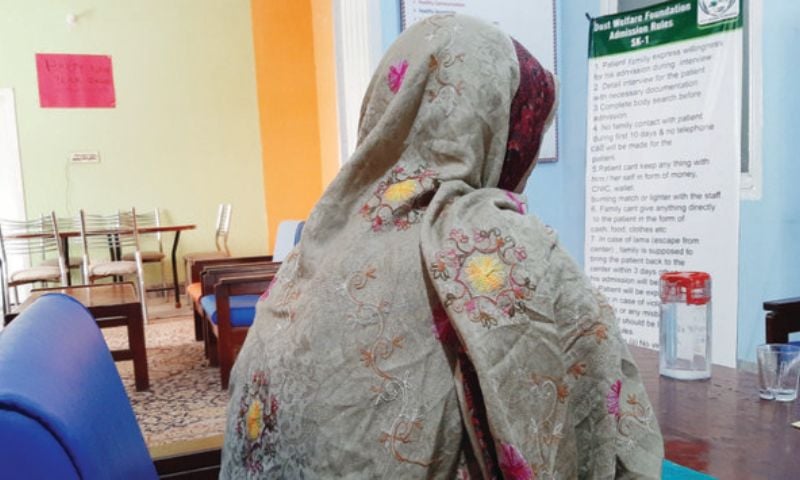
CHARSADDA, Pakistan: Just 20 kilometres northwest of Peshawar, in the bustling district of Charsadda, a 28-year-old woman speaks with a woman battling drug dependency — offering not just treatment, but also a rare chance at dignity.
Saba Dawood, a university graduate, is quietly challenging one of the most deeply hidden crises in Pakistan’s northwestern province of Khyber Pakhtunkhwa (KP): female drug addiction.
In a region where addiction among women is often silenced by stigma and social constraints, Saba runs a rehabilitation centre that serves both men and women — an uncommon initiative in a conservative society where women’s access to treatment remains severely limited.
Her journey began during her university research, when she uncovered a stark reality — while rehabilitation facilities for men existed across both public and private sectors, women struggling with addiction were largely invisible.
“That’s when I decided I had to do something,” she recalls.
National drug landscape
Pakistan is home to an estimated 6.7 million drug users, according to the most comprehensive national survey conducted by the United Nations Office on Drugs and Crime (UNODC) in collaboration with the Ministry of Narcotics Control in 2013.
As updated official national data remains unavailable, the 2013 UNODC survey continues to serve as the primary reference for understanding the scale of drug use in Pakistan. The National Drug Use Survey Pakistan 2022–24 — though formally launched on 26 October 2022 — has yet to publish its final results.
This gap not only undermines evidence-based policymaking but also raises serious questions about the government’s commitment to addressing a growing public health crisis.
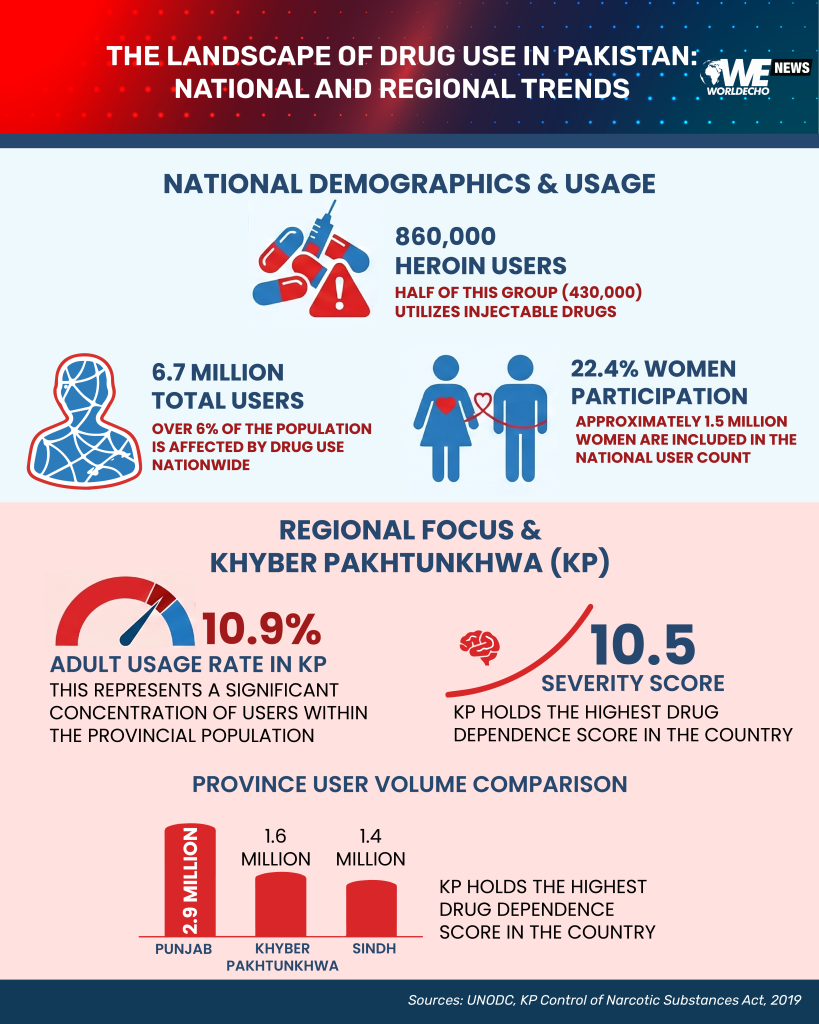
The 2013 UNODC survey revealed that Punjab had the highest number of users at around 2.9 million, followed by Khyber Pakhtunkhwa with nearly 1.6 million users.
Sindh accounts for approximately 1.4 million users, mostly in urban centres like Karachi, while Balochistan has over 200,000 users, with high opiate use linked to its proximity to Afghanistan.
The report also identified around 860,000 heroin users and 430,000 people using injectable drugs nationwide.
While addiction is widely perceived as a male-dominated issue, the data tells a different story.
“In many centres, patients relapse after treatment. We focus on why they started, so they don’t go back.” — Saba Dawood
More than 1.5 million women in Pakistan are affected by drug use, many through the misuse of prescription medications such as painkillers and sedatives. Women account for 22.4 per cent of drug users nationwide.
Khyber Pakhtunkhwa has the highest rate of drug use in the country, according to the 2013 report by the UNODC. The report found that 10.9 per cent of the province’s adult population used drugs.
Cannabis, opioids, and tranquilisers or sedatives were the most commonly used substances in Khyber Pakhtunkhwa, with prevalence rates of 4.7 per cent, 5.8 per cent, and 2.4 per cent, respectively.
Opiates are used by 1.4 per cent of the population — an estimated 140,000 people use heroin and 84,000 use opium.
The UNODC report also noted that levels of dependent drug use among opiate users in Khyber Pakhtunkhwa were higher than in other provinces. Moreover, the severity of dependence among users in the province was calculated at 10.5 — the highest in the country.
While no recent official district-wise data exists for women, available findings indicate that Peshawar, Charsadda, Mardan, Nowshera and Swabi are among the most vulnerable districts, driven by urbanisation, drug availability, and weak regulatory enforcement.
Despite this, there are only 11 functional government-run rehabilitation centres in the province, with no dedicated women-only facility in the public sector.
In contrast, the private sector operates 94 registered centres treating nearly 5,000 patients, though segregated data for women remains unavailable.
Repeated attempts by WE News English to obtain official responses from the provincial Social Welfare Department and administrators of government rehabilitation centres were unsuccessful.
Inside the rehab centre
Determined to fill this gap, Saba established her own rehabilitation centres after initiating her research in 2021 and formally inaugurating the facility in 2022.
At the opening ceremony, the District Police Officer Sohail Khalid referred two patients with drug addiction, both of whom have since recovered and reintegrated into society.
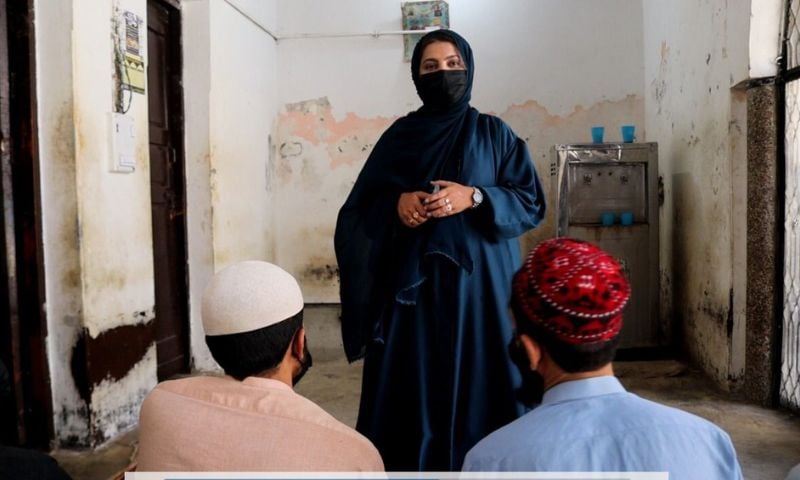
“I built an all-female team, including doctors, technicians, and even security staff,” she explains.
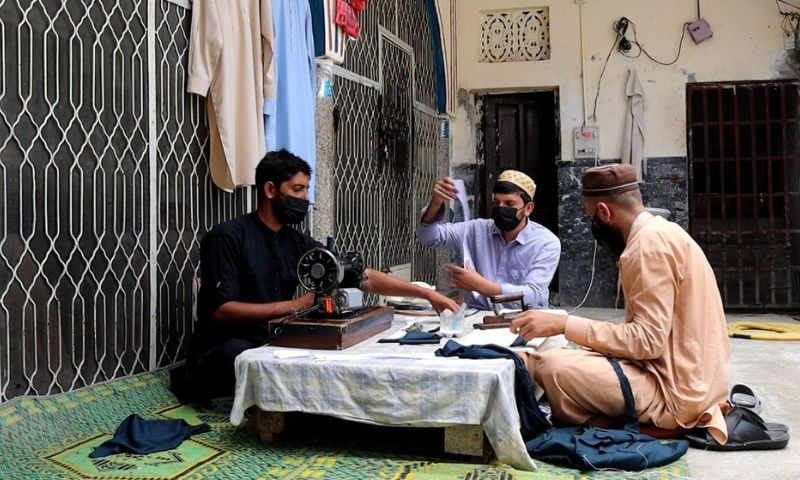
The centre operates with a professional team of over a dozen members, including a medical doctor, clinical psychologist, technicians and female security staff — all employed on a salaried basis, with no volunteers, to ensure accountability and quality care.
Saba explains that whenever they receive patients with drug addiction, they either bring them to the rehabilitation centre with family consent or provide home-based treatment if families are reluctant.
The centre operates on a fee-based model due to the absence of government funding, with most expenses covered by families.
However, charitable contributions occasionally support patients who cannot afford treatment, particularly during Ramadan, when only basic costs are charged.
“When these drugs are withdrawn, patients may experience severe withdrawal symptoms, including aggression, irritability, and even self-harm.” — Dr Shaista Naz, psychiatrist, Peshawar
Her team conducts follow-ups every 10 to 15 days, along with regular medical testing. They also address underlying causes such as family conflict, trauma, and economic stress.
“In many centres, patients relapse after treatment. We focus on why they started, so they don’t go back.”
Home-based care model
As awareness grew, some families began seeking help. Yet in the conservative fabric of Pashtun society, many remain reluctant to send women to rehabilitation centres, especially those administered and run by male staff.
In many cases, families fear social stigma — if a woman remains absent from her home for several days, relatives and neighbours begin questioning her whereabouts, raising concerns about family honour.
This often prevents women from accessing formal treatment.
To address this, Saba introduced home-based rehabilitation services, offering discreet care for women unable to leave their homes.
From treatment to dependency
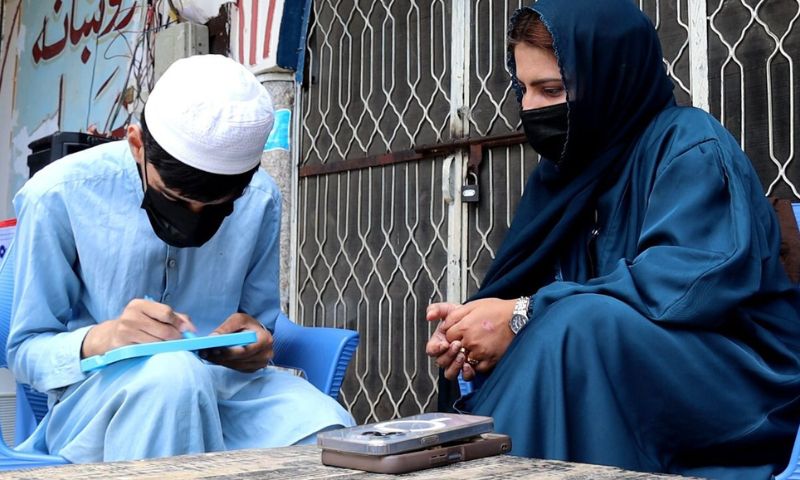
A 28-year-old university student from Mardan, who requested anonymity, told WE News English that her addiction began after an appendix operation, when she was prescribed pain relief injections such as Tramadol.
Over time, dependency developed, accompanied by severe withdrawal symptoms including intense pain and swelling.
After discovering rehabilitation services through social media, she sought treatment and has since recovered, resuming her education and rebuilding her life.
Experts say the pathways into addiction for women are often complex, shaped by a mix of medical, psychological, and social factors.
“Women may fall into depression due to personal or family problems and begin using medication as a coping mechanism,” says Dr Shaista Naz, a psychiatrist based in Peshawar.
She highlights how easy access to prescription drugs, often available without strict regulation, significantly increases the risk of dependency.
“When these drugs are withdrawn, patients may experience severe withdrawal symptoms, including aggression, irritability, and even self-harm,” she explains.
Saba points to rising drug use among female students in hostels, as well as medical dependency among women who begin taking painkillers after procedures such as C-sections.
“There are also cases where male addicts influence their wives to start using drugs. Unfortunately, such cases are increasing,” Saba reveals.
Path to recovery
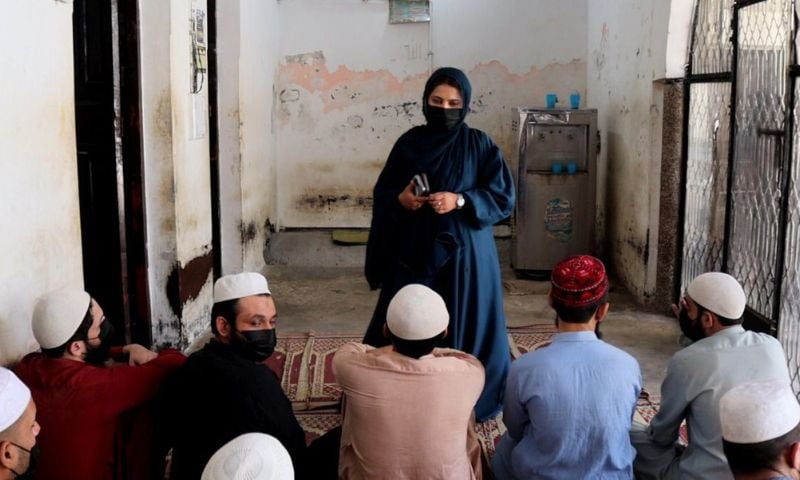
For many women, recovery is not just about overcoming addiction — it is about reclaiming their lives.
Sanam (name changed to protect her identity), a 30-year-old woman from Shangla — located northeast of Peshawar, approximately 250 kilometres away — is one such example.
After a painful divorce, she fell into depression, and was introduced to drugs through a local acquaintance — highlighting how even in conservative regions, access often spreads quietly through social networks rather than open markets.
“At checkpoints, the absence of female officers makes it difficult to search women, creating a major loophole.” — An official of Narcotics Control Department
She has since recovered, gradually rebuilding her life. “I am happy now. I am taking care of my child and trying to move forward.”
She credits her recovery to family support and sustained counselling, saying that acceptance and treatment gave her the hope needed to rebuild her life.
Policy push intensifies
Authorities say enforcement efforts against drug trafficking have been stepped up in recent years, with new policies, tougher laws, and large-scale seizures underscoring the province’s attempt to curb the growing narcotics trade in Khyber Pakhtunkhwa.
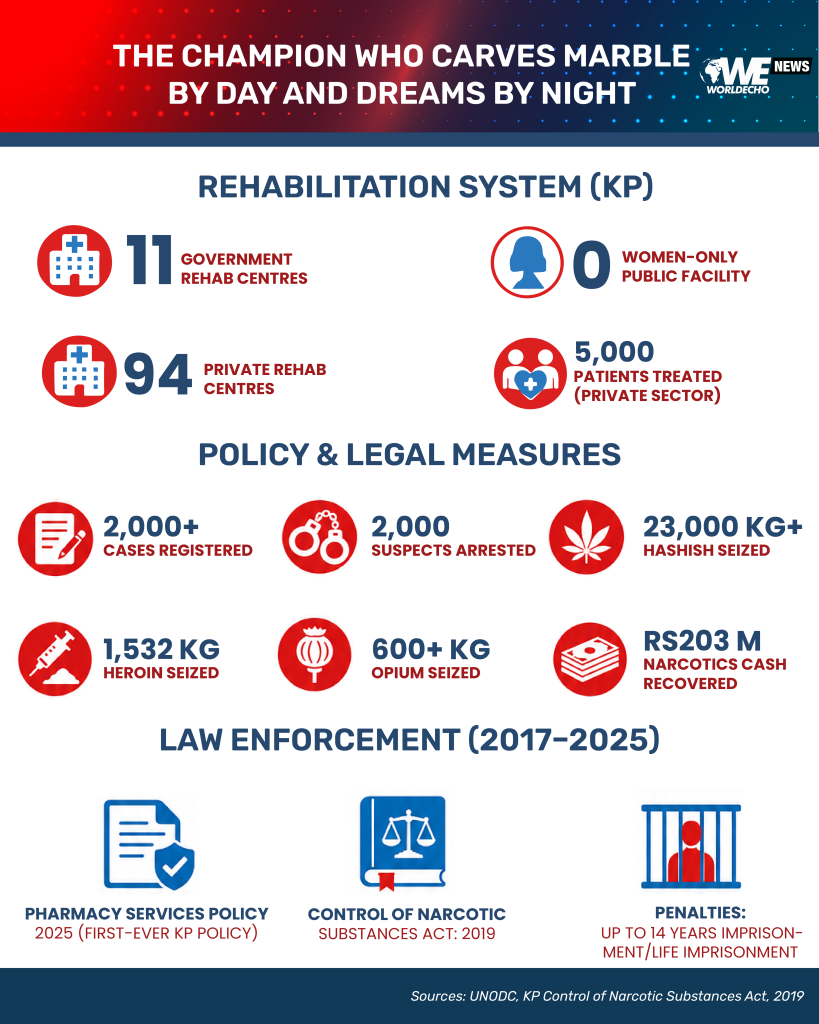
In 2025, the Khyber Pakhtunkhwa government approved its first-ever Pharmacy Services Policy to regulate drug sales.
Between 2017 and 2025, authorities registered over 2,000 cases, arrested nearly the same number of suspects, and seized more than 23,000 kilograms of hashish, 1,532 kilograms of heroin, and over 600 kilograms of opium.
They also recovered narcotics-linked cash worth over Rs203 million, underscoring the scale of the illegal drug trade.
Additionally, the Khyber Pakhtunkhwa Control of Narcotic Substances Act, 2019, introduced tougher penalties, including up to 14 years in prison and life imprisonment for trafficking high-risk drugs.
Speaking on condition of anonymity, an official of the Khyber Pakhtunkhwa Excise, Taxation and Narcotics Control Department says that the province faces disproportionately high levels of drug use and trafficking.
He attributes this to Khyber Pakhtunkhwa’s proximity to Afghanistan and the presence of tribal districts, which have historically served as smuggling routes.
“Loopholes in the legal system allow many traffickers to escape punishment,” he remarks.
He also points to a critical operational gap: the shortage of female law enforcement personnel.
“At checkpoints, the absence of female officers makes it difficult to search women, creating a major loophole,” he notes.