
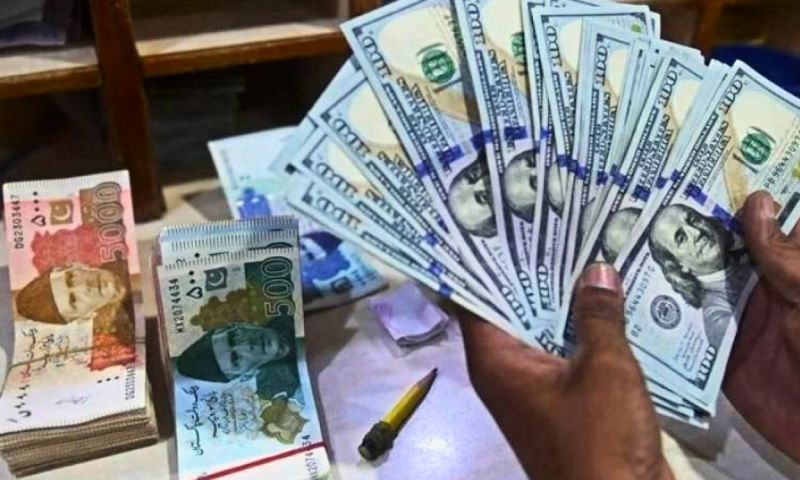
ISLAMABAD: Pakistan’s total liquid foreign exchange reserves stood at $21.34 billion in the week ending May 8, the State Bank of Pakistan (SBP) said on Thursday.
In a statement, the central bank said its own reserves during the week stood at $15.87 billion.
According to the SBP, net foreign reserves held by commercial banks stood at $5.47 billion, taking the country’s total liquid reserves to $21.34 Billion.
During the week ending May 8, 2026, the State Bank of Pakistan’s foreign exchange reserves increased by $17 million, reaching US$ 15.87 billion.
Total liquid foreign #reserves held by the country stood at US$21.34 billion as of May 08, 2026.
For details: https://t.co/WpSgomnKT3#SBPReserves pic.twitter.com/RLi9VCIxMA— SBP (@StateBank_Pak) May 14, 2026
Meanwhile, the Pakistani rupee recorded a slight gain against the US dollar in the inter-bank market on Thursday, appreciating by 0.01%.
By the close of trading, the local currency settled at Rs278.62 against the greenback, improving by Rs0.03 from the previous session.
Moreover, oil prices edged higher on Thursday, with Brent crude futures gaining 26 cents, or 0.25%, to reach $105.89 per barrel by 0250 GMT.
The State Bank of Pakistan (SBP) confirmed on Wednesday that it had received about $1.3 billion from the International Monetary Fund (IMF) under its ongoing financial support programmes.
The latest funds have strengthened Pakistan’s foreign exchange reserves.
Pakistan’s liquid foreign exchange reserves are expected to rise above $22.5 billion after the latest IMF disbursement, according to the latest SBP data and the newly received $1.3 billion inflow.
The latest IMF receipts carry added significance at a sensitive moment for Pakistan’s economy.
The country’s elevated external financing needs, volatile global oil prices, and persistent geopolitical uncertainty in the region enhance their importance even more.
Economists view the latest inflow as important for maintaining external sector stability and supporting investor confidence.
However, they warn that Pakistan continues to face challenges from weak growth, inflation risks, tax base challenges, and large financing requirements.