Key Points
- Pakistan will participate in the IOC’s 123rd session scheduled for June as a full member.
- Officials say the country’s olive sector could generate over $3 billion annually while reducing dependence on edible oil imports.
ISLAMABAD: Pakistan has formally joined the Madrid-based International Olive Council (IOC) as a full member, marking a significant step in the country’s efforts to expand its agricultural exports and position its olive sector in premium international markets, including the Gulf, Europe and North America.
The agreement was signed at the IOC headquarters in Madrid by Pakistan’s Ambassador to Spain, Dr. Zahoor Ahmed, officially inducting the country into the world’s leading olive industry organisation.
IOC members collectively account for more than 98 per cent of global olive production and play a central role in setting international standards for olive oil and table olives.
With full membership secured, Pakistan will participate in the IOC’s 123rd session scheduled for June and gain access to globally recognised grading systems, certification frameworks, technical expertise and international cooperation programmes aimed at strengthening the olive sector.
Pakistan’s Federal Minister for National Food Security and Research, Rana Tanveer Hussain, described the development as a strategic breakthrough for the country’s agriculture sector, saying it could help transform olive cultivation into a major contributor to rural development, climate resilience and export-led growth.
He said Pakistan’s olive industry had the potential to reduce dependence on imported edible oil while creating new economic opportunities for farmers and agribusinesses.
According to the minister, Pakistani olive oil could now compete internationally under globally recognised quality benchmarks.
Pakistan currently spends more than $3 billion annually on edible oil imports, placing significant pressure on foreign exchange reserves. Officials believe the expansion of olive cultivation could offer a sustainable domestic alternative while also generating export revenues in the long term.
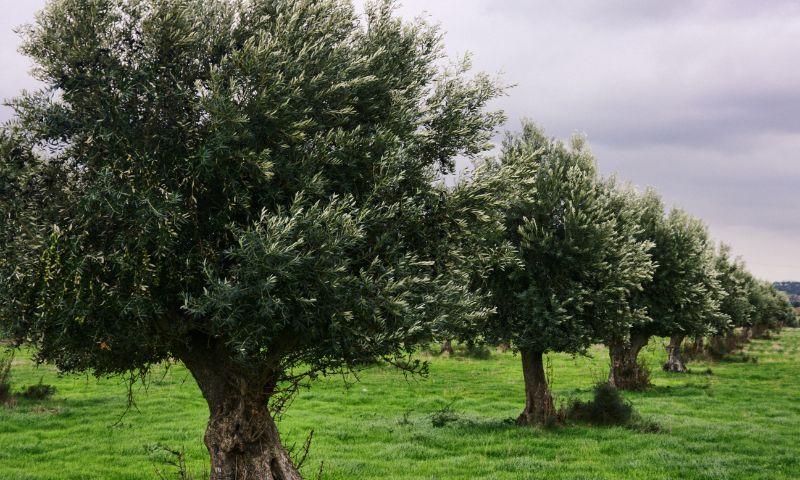
Government figures show Pakistan possesses nearly 10 million acres of land suitable for olive farming, particularly across the Pothohar plateau and northwestern regions where climatic conditions support cultivation. However, only around 55,000 acres have so far been developed for olive production.
Authorities estimate that approximately 1.3 billion olive plants are required to fully utilise the available land, though only about seven million trees have been planted to date.
Officials say the sector could eventually generate more than $3 billion annually through olive oil exports once full production capacity is achieved.
Pakistan’s accession to the IOC is also expected to improve the international credibility of its olive products by allowing local olive oil and table olives to be graded according to recognised global standards.
This would pave the way for Pakistani extra virgin olive oil to enter premium export markets where strict quality certification is required.
The food security ministry said the membership would provide Pakistani farmers, mill operators and researchers with access to technical training programmes, scholarships, collaborative research initiatives and international exchange opportunities with leading institutions.
These include Spain’s University of Jaén, the Polytechnic University of Madrid, CIHEAM Zaragoza and the Olive Health Information System.
Industry stakeholders believe such collaborations could help Pakistan improve cultivation techniques, processing standards and product quality while introducing modern technologies across the olive value chain.
Pakistan’s olive producers will also become eligible to participate in internationally recognised competitions such as the Mario Solinas Quality Award, considered one of the olive industry’s most prestigious honours.
Officials say participation in such forums could significantly strengthen Pakistan’s global branding and export profile.
The government has accelerated efforts in recent years to develop the olive sector into a commercially viable industry. Last year, Pakistan established 51 olive oil extraction units, set up four specialised laboratories, and supported the launch of more than 90 olive-related startups to encourage innovation and private sector investment.
In October 2025, Islamabad hosted the Pakistan Olive Summit 2.0, bringing together policymakers, investors, researchers, and international experts to explore opportunities for expanding olive cultivation, processing, and exports.
Officials view the country’s IOC membership as an important milestone in Pakistan’s broader strategy to modernise agriculture, diversify exports, and promote value-added farming sectors capable of competing in international markets.