
ISLAMABAD: The energy shockwaves from the Iran war are increasingly reshaping global tourism trends, with Chinese Europeans alike altering holiday plans due to soaring energy prices, rising airfares, and fears of prolonged instability and disruptions in the Strait of Hormuz.
Industry analysts say Asia’s travel market, led by China, is emerging as a major pressure point for the global tourism industry. China alone is the world’s largest outbound tourism source by spending and one of the biggest by traveller volume
Globally, the travellers and tourists are forced to reconsider the cost surge while airlines are revising fares and adjusting routes to avoid conflict zones.
Chinese tourists, whose overseas travel recovery had been gathering pace after years of pandemic-era restrictions, are now increasingly opting for domestic destinations or shorter regional trips.
Travel agencies in Beijing, Shanghai and Guangzhou report growing demand for refundable bookings and budget-conscious packages due to uncertainty over fuel prices and flight disruptions.
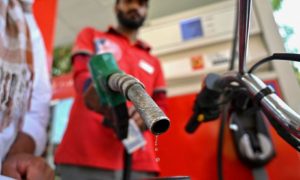
The Iran conflict has triggered a sharp rise in oil prices, increasing jet fuel costs for airlines across Asia.
Carriers operating between Asia and Europe have also been forced to reroute some flights to avoid high-risk airspace, which extends travel times and operational expenses.
Asian aviation hubs, including Singapore, Hong Kong and Dubai, are closely monitoring the impact of higher fuel costs and potential passenger slowdowns during the peak summer travel season.
Analysts warn that sustained oil price volatility could weaken outbound tourism demand from several Asian economies already facing slower growth in consumer spending.
Japan and South Korea are also experiencing a shift toward regional tourism, rail travel and shorter vacations. Most budget airlines across Asia have been adjusting fares upward to offset fuel-related pressures.
The near-closure and selective reopening of the Strait of Hormuz — a vital route for roughly one-fifth of global oil shipments — has intensified concerns over energy security and broader economic disruption. Economists say tourism is becoming one of the clearest consumer sectors affected by the energy shock, with travellers worldwide reassessing discretionary spending.
European tourists are similarly shortening holidays, favouring rail travel and choosing destinations perceived as safer and easier to access.
Travel operators across continents report delayed bookings as consumers wait for clearer signals on oil prices and geopolitical risks.
The International Energy Agency has described the disruption triggered by the Iran conflict as among the most severe energy shocks in recent decades. This unprecedented crisis is having implications across aviation, shipping, hospitality and household spending worldwide.
Tourism analysts say the evolving crisis highlights how geopolitical tensions in major energy corridors can rapidly influence consumer behaviour far beyond the Middle East, particularly in Asia, where millions of travellers now play a central role in sustaining global tourism demand.