


ISLAMABAD: Pakistan’s Deputy Prime Minister and Foreign Minister Ishaq Dar on Monday highlighted Pakistan’s role in facilitating communication between the United States and Iran, expressing hope that ongoing diplomatic efforts would contribute to peace and stability in the region and beyond.
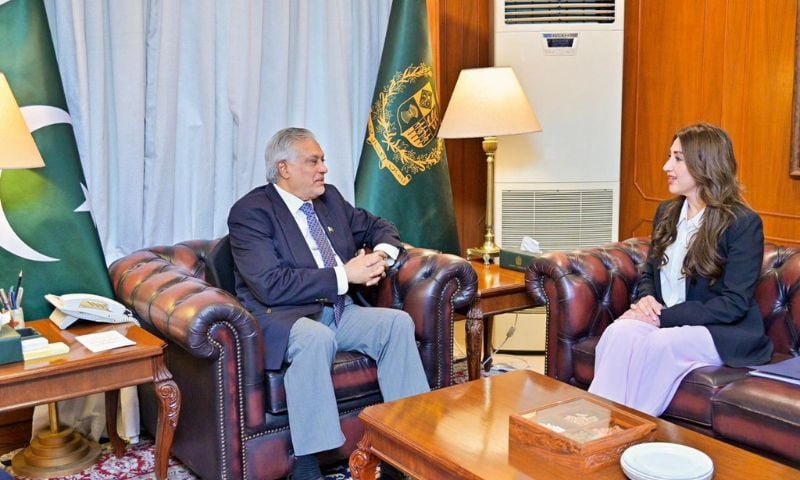
US Chargé d’Affaires Natalie A. Baker called on Deputy PM Dar to discuss the evolving regional situation and broader Pakistan-US bilateral relations, Pakistan’s Foreign Office said in a statement.
During the meeting, Dar also appreciated ongoing US assistance in the repatriation of Pakistani and Iranian seafarers through Singapore.
U.S. Chargé d’Affaires Ms. Natalie A. Baker called on Deputy Prime Minister/Foreign Minister Senator Mohammad Ishaq Dar @MIshaqDar50 today to discuss the evolving regional situation and the broader Pakistan-U.S. bilateral relationship.
DPM/FM highlighted Pakistan’s role in… pic.twitter.com/YbWMAlmmDf
— Ministry of Foreign Affairs – Pakistan (@ForeignOfficePk) May 11, 2026
Pakistan is playing a central diplomatic role to end the ongoing US-Iran conflict through diplomacy and dialogue.
On Sunday, Pakistan’s Prime Minister Shehbaz Sharif confirmed that Islamabad had received Iran’s response to a US proposal to end the war in the region.
Pakistan has continued diplomatic efforts to facilitate dialogue between Tehran and Washington and to de-escalate the ongoing conflict through diplomacy and dialogue.
Speaking at a ceremony held in Islamabad on Sunday evening, Prime Minister Sharif mentioned Pakistan’s efforts for de-escalation between the US and Iran. He said that Pakistan’s Chief of Defence Forces and Chief of the Army Staff, Field Marshal Asim Munir, had informed him “a while ago” that Pakistan has received Iran’s response.
“I cannot go into more detail. I commend the efforts of Deputy Prime Minister Ishaq Dar and congratulate Field Marshal Asim Munir, who has dedicated himself [to this cause],” he said.
Pakistan’s diplomatic efforts
Pakistan brokered a ceasefire between Tehran and Washington on April 8 that halted the war involving the United States, Israel and Iran.
On April 11, Pakistan hosted high-stakes direct talks between the US and Iranian negotiators in Islamabad.
The Islamabad Talks concluded without a final agreement; however, they paved the way for further negotiations between Washington and Tehran to permanently resolve the conflict.
Meanwhile, Pakistan’s leadership increased their diplomatic outreach to the Gulf and regional countries in recent weeks, stressing dialogue and political engagement as the preferred path to de-escalation.
On Sunday, during a telephone conversation with Qatari Prime Minister and Foreign Minister Mohammed bin Abdulrahman bin Jassim Al Thani, Pakistan’s Prime Minister Shehbaz Sharif reaffirmed commitment to supporting regional peace, stability and dialogue.
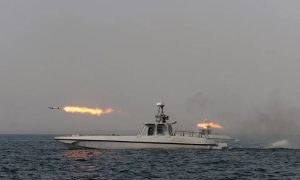
The war started after the US and Israel launched strikes on Iran on February 28, prompting retaliatory action from Tehran against Israel and the Gulf countries.
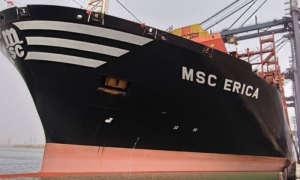
The confrontation also contributed to disruptions in maritime traffic around the Strait of Hormuz.
A ceasefire brokered through Pakistani mediation came into effect on April 8, easing hostilities.
US President Donald Trump later announced an extension of the truce without specifying a deadline, while Pakistan-led diplomatic efforts towards a broader agreement continue.
Trump praises Pakistan
On Thursday, Trump credited Pakistan’s leadership for persuading Washington to pause “Project Freedom,” a US-led naval operation aimed at escorting stranded commercial vessels through the Strait of Hormuz.
Trump wrote on his social media platform Truth Social that the United States had paused “Project Freedom” following requests from Pakistan amid efforts to ease tensions in the Strait of Hormuz.
“Pakistan has been fantastic. And their leaders have been fantastic. The field marshal and the prime minister,” Trump said.
Trump said on Thursday that a peace agreement between the US and Iran could be reached as early as next week through Pakistan-led diplomatic efforts.
In an interview with Fox News, Trump said progress had been made in negotiations with Iran but warned that military action could resume if Tehran refused to accept a deal that included reopening the Strait of Hormuz.
Pakistan has intensified diplomatic efforts to end the conflict between the US and Iran through diplomacy and dialogue.