


Tehran, Iran: A ceasefire between the United States and Iran is under pressure after both sides exchanged fire in the Strait of Hormuz, while the United Arab Emirates reported attacks for the first time since the truce began nearly a month ago.
The escalation began as US forces moved to escort commercial vessels through the strategic waterway under a new operation.
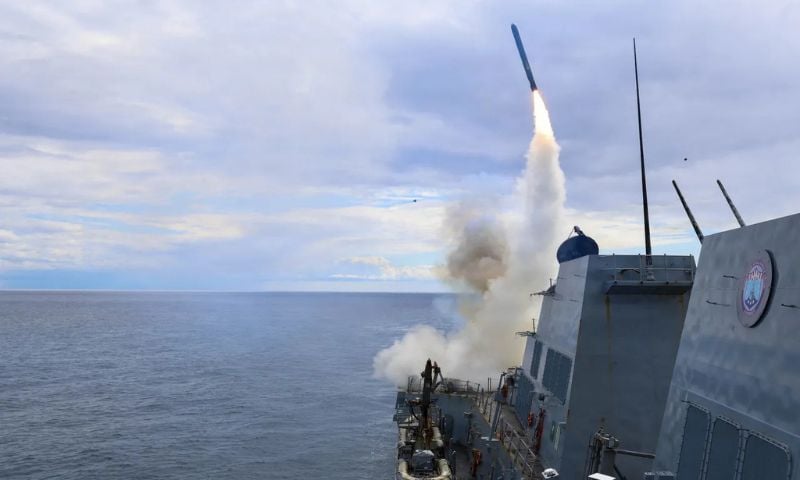
A US admiral said American forces sank six Iranian boats approaching shipping lanes and intercepted missiles and drones targeting both naval and commercial vessels.
Iran denied losing any boats and instead accused US forces of attacking civilian vessels, claiming casualties among passengers.
US President Donald Trump warned Iran against targeting US ships, saying any such move would trigger a severe response.
Dispute Over Control of the Strait
Washington said its naval mission ensured safe passage for ships, with escorted vessels moving through the strait.
Tehran rejected this, insisting it retains full control of the waterway and warning that any unauthorised transit would be met with force.
The Strait of Hormuz remains a critical global route, and disruptions have already affected shipping and energy markets.
Attacks Reported in UAE
The UAE said it was targeted by missiles and drones launched from Iran, describing the strikes as a “dangerous escalation”.
A drone attack hit an energy facility in Fujairah, injuring three Indian nationals and causing damage to infrastructure.
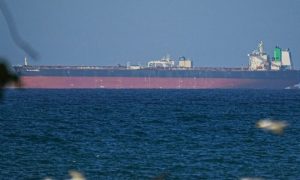
Authorities also reported drones targeting a tanker linked to ADNOC.
In neighbouring Oman, two people were injured when a residential building in Bukha was struck, according to state media.
Region on High Alert
Israel said its military is closely monitoring developments and remains on high alert.
The UAE has ordered schools to switch to remote learning following the attacks, reflecting growing security concerns.
A senior Iranian military official accused Washington of provoking the situation by attempting to force shipping routes, saying the US “must be held accountable”.
Iranian Foreign Minister Abbas Araghchi said the crisis shows there is “no military solution” and called for diplomatic engagement.
US President Donald Trump warned Iran would be “blown off the face of the earth” if US Navy ships were targeted in the Strait of Hormuz.
The warning followed Iranian media reports claiming missiles struck a US naval frigate in the strait—claims denied by the US military.
Shipping giant Maersk reported that a US-flagged vehicle carrier transited the strait safely under US escort.
Recent Attacks
A series of incidents across the region underscored the widening scope of the confrontation:
- Fujairah, UAE: A drone strike on an energy installation triggered a large fire and injured three Indian nationals.
- ADNOC Tanker: UAE authorities said drones targeted a vessel linked to ADNOC.
- Bukha, Oman: Two people were injured when a residential building was hit along the coast in Bukha.
- South Korean Vessel: Seoul reported an explosion and fire aboard a ship in the strait.
The UAE has ordered schools to switch to remote learning for the rest of the week following the attacks.
‘Project Freedom’ and Military Escalation
President Trump announced on Monday “Project Freedom”, describing it as a humanitarian mission to free more than 900 commercial vessels stranded in the Gulf.
The US military’s US Central Command said guided-missile destroyers transited the strait and escorted two US-flagged vessels.
Iran’s Islamic Revolutionary Guard Corps warned that any foreign presence without coordination would be targeted, calling the US operation “adventurism”.
Economic and Diplomatic Fallout
Global oil markets reacted sharply, with prices rising following the Fujairah attack.
Diplomatic efforts appear stalled, despite earlier talks mediated by Pakistan.
Iranian Foreign Minister Abbas Araghchi said the latest developments show there is “no military solution to a political crisis” and warned against further escalation.