Key Points:
- Oil supply fears linked to Strait of Hormuz tensions trigger global energy crisis measures
- Nearly 40 countries enact emergency steps as fuel prices surge, says International Energy Agency
- Governments accelerate shift to renewables, electric vehicles and energy security policies
- China poised to benefit as leading supplier of clean technologies
ISLAMABAD: Escalating tensions over the Iran war and disruptions around the Strait of Hormuz are accelerating a global shift away from fossil fuels, as countries scramble to contain the economic fallout of surging oil and gas prices.
The standoff, linked to US President Donald Trump’s policies, has heightened fears and risks to energy supply routes, prompting governments worldwide to reassess their dependence on hydrocarbons and fast-track investment in renewable power.
The International Energy Agency reports that nearly 40 countries have already implemented emergency measures to cope with rising costs.
These include reduced working hours, fuel rationing, and cuts in consumption, particularly in developing economies facing acute pressure from higher import bills.
Economists warn that the immediate impact will be severe.
The immediate fallout of the crisis is inflationary pressures building across both advanced and emerging markets as fuel and fertiliser costs climb.
In lower-income countries, the strain risks deepening economic instability.
Analysts say that, unlike past shocks such as the 1970s oil crisis, alternatives to fossil fuels are now more accessible and cost-effective.
A large share of global oil demand, especially in transport, is increasingly shifting toward electrification, supported by rising demand for electric vehicles in Europe and Asia.
Governments are responding by revising national strategies.
South Korea has signalled urgency in transitioning to cleaner sources, citing national security concerns linked to fossil fuel dependence.
In Southeast Asia, Vietnam has shelved plans for new liquefied natural gas infrastructure in favour of renewable projects.
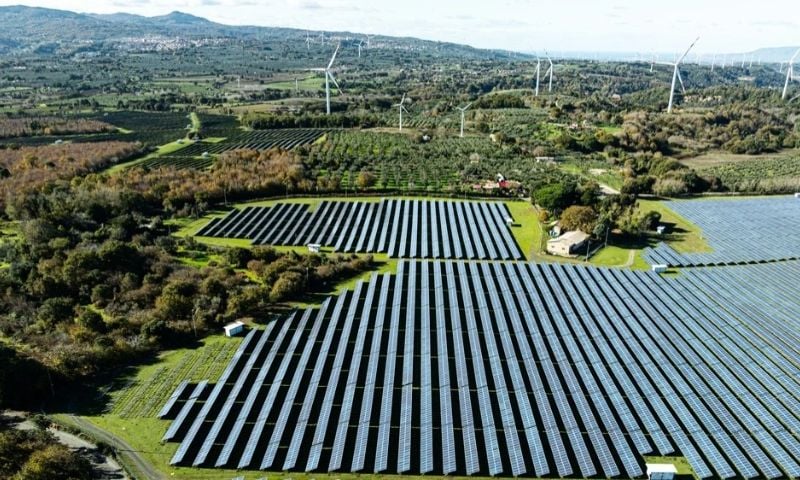
In South Asia, India continues to expand solar capacity, now accounting for a rising share of electricity generation.
Pakistan is also witnessing a surge in rooftop solar installations, driven by higher electricity tariffs and supply uncertainty.
Energy experts say the transition is likely to benefit China, which dominates global supply chains for solar panels, batteries and electric vehicles, positioning it strongly in the evolving global landscape.
Market observers also note that oil-producing nations are adjusting their strategies.
The recent decision by the OPEC member United Arab Emirates to exit the alliance has been interpreted by some analysts as an effort to maximise hydrocarbon revenues.
They believe that the UAE intend to seize the opportunity during what may be the final decades of fossil fuel dominance.
Despite political resistance to clean power in parts of the United States, the current crisis is reinforcing a broader global consensus: reducing reliance on volatile fuel markets is becoming both an economic and strategic priority.