
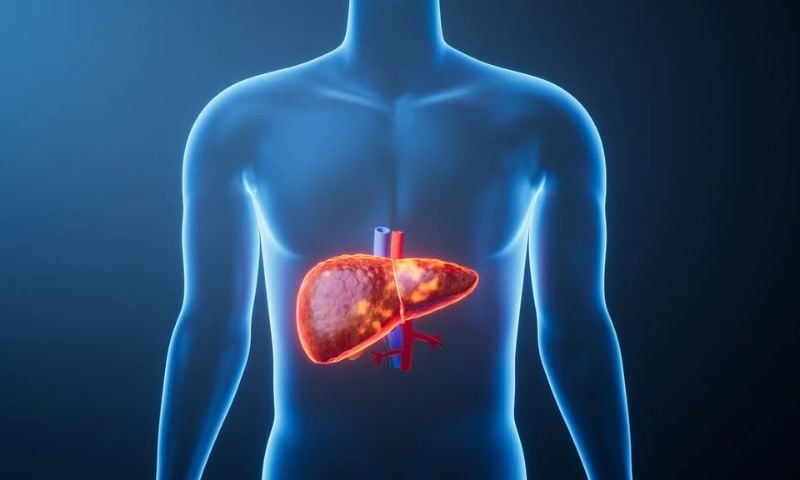
SEATTLE, USA: A new study has revealed that metabolic dysfunction-associated steatotic liver disease (MASLD), a liver condition closely linked to obesity and high blood sugar, could affect 1.8 billion people worldwide by 2050, marking a significant global health challenge.
MASLD, previously known as non-alcoholic fatty liver disease, is currently one of the fastest-growing liver conditions globally. The latest estimates indicate that 1.3 billion people are now living with the disease, representing approximately one in six individuals, or 16 per cent of the global population.
This figure reflects a staggering 143 per cent rise over just three decades. In 1990, only about 500 million people were affected. By 2023, that number had climbed to 1.3 billion, and by 2050, it is projected to reach 1.8 billion, a 42 per cent increase from 2023.
Fatty liver disease is increasing globally, with 1.3 billion affected in 2023. Learn what raises your risk and how to support liver health https://t.co/FHcoRMpvvO
— EatingWell Magazine (@EatingWell) May 2, 2026
Key Drivers: Obesity, high blood sugar, and smoking
The findings, derived from the Global Burden of Diseases, Injuries, and Risk Factors Study, point to global population growth and lifestyle changes, particularly rising obesity rates and high blood sugar levels, as key drivers of the epidemic.
High blood sugar was identified as the leading contributor to MASLD-related health problems worldwide, followed by high body mass index (BMI) and smoking, underscoring strong links to type 2 diabetes and obesity.
Age and gender disparities
MASLD is more common in men than women. The highest prevalence is seen in adults aged 80 to 84, but the largest number of affected individuals fall into younger age groups, around 35 to 39 for men and 55 to 59 for women. The global prevalence rate rose to 14,429 cases per 100,000 people in 2023, a 29 per cent increase since 1990.
Regional hotspots and country-wise increases
Regional disparities are notable. North Africa and the Middle East have disproportionately higher rates of MASLD compared to other parts of the world.
However, sharp increases have also been recorded across many countries. In the United Kingdom, the prevalence rate rose by 33 per cent between 1990 and 2023, the largest increase in Western Europe. Australia saw a 30 per cent rise, while the United States recorded a 22 per cent increase.
Global fatty liver disease cases may reach 1.8 billion by 2050 — Study https://t.co/mPgd3TYwgF#punchhealthwise
— Punch Newspapers (@MobilePunch) April 28, 2026
Advances in treatment offer some hope
Encouragingly, the study found that although more people are developing MASLD, the overall health impact, measured in years lost due to illness or premature death, has remained stable. This suggests that advances in treatment and care are helping patients live longer and healthier lives, and that the increase in cases is largely occurring in the early stages of the disease.
Nevertheless, the growing number of cases means millions remain at risk of developing serious complications in the future, including liver cirrhosis and liver cancer.
Symptoms and treatment
MASLD is often linked to being overweight and can usually be treated with lifestyle changes. According to the UK’s National Health Service (NHS), the condition often causes no symptoms, and many people have it without realising. It is typically discovered only during medical tests for unrelated reasons.
When symptoms do appear, they may include persistent tiredness, a general feeling of being unwell, and pain or discomfort under the right side of the ribs.
Call for global action
The study was led by the Institute for Health Metrics and Evaluation (IHME), a public health research institute at the University of Washington in Seattle. The authors said the findings highlight that MASLD is increasingly affecting younger adults amid worsening health and lifestyles.
They stressed that the rising number of cases underscores the urgent need to recognise MASLD as a global health priority, and to develop policies, awareness campaigns, and interventions to mitigate its growing impact and prevent future complications.