Key Points:
- Up to 60% Gulf urea output disrupted amid ongoing Iran conflict.
- Strait of Hormuz effectively shut, blocking fertiliser shipments.
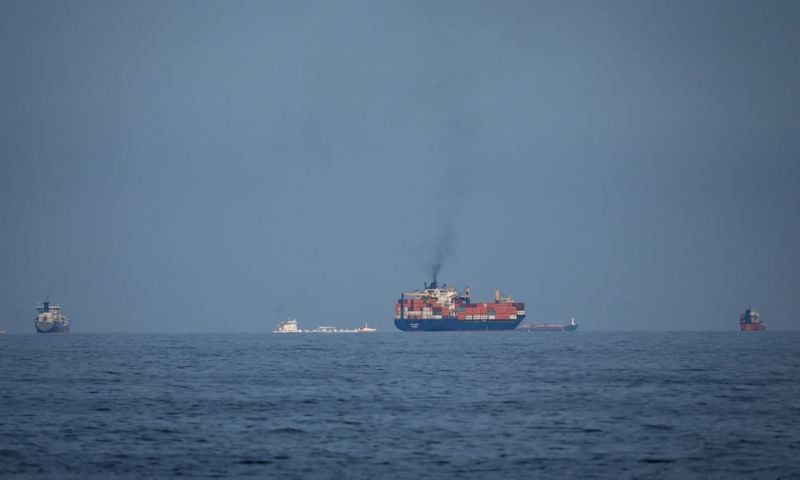
- Dozens of vessels stranded, worsening global supply bottlenecks.
- Analysts warn prolonged crisis could fuel global food inflation.
ISLAMABAD: More than half of the Middle East’s urea production has been disrupted since the onset of the Iran conflict, severely affecting global fertiliser supplies, Bloomberg reported.
The crisis stems largely from the effective closure of the Strait of Hormuz, a vital maritime route, which has halted the movement of fertiliser shipments.
As a result, large volumes of urea — a key ingredient in nitrogen-based fertilisers — remain stranded across the Arabian Gulf, tightening supplies for agricultural markets worldwide.
Infrastructure damage
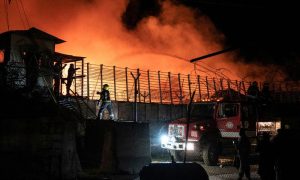
In parallel, Iranian drone strikes targeting countries such as Qatar and Bahrain have inflicted damage on energy and industrial infrastructure, further constraining urea production capacity in the region.
Consultancy CRU Group — a UK-based global commodities research and consultancy firm — estimates that between 55 per cent and 60 per cent of the region’s output may currently be offline, forcing producers to scale back operations significantly.
Global food risks
The Middle East plays a critical role in supplying nutrients essential for staple crops like wheat, rice and corn. Disruptions to fertiliser availability are raising alarms over potential food inflation and worsening food insecurity, particularly in countries already facing supply vulnerabilities.
There are growing calls from industry stakeholders for the establishment of secure shipping corridors to allow fertiliser and essential goods to move freely and avert a broader humanitarian crisis.
Shipping bottleneck
Producers have temporarily relied on vessels stuck in the Strait of Hormuz as floating storage. However, with outbound routes blocked and inbound ships unable to enter, storage capacity is nearing its limits.
“The longer this situation lasts, the greater the risk that producers are forced to shut down,” said Pranshi Goyal, a senior analyst at CRU, noting that facilities may halt operations once storage is exhausted.
Diplomatic signals
Iran has indicated a willingness to consider an interim agreement to reopen the strait, potentially in exchange for the US easing restrictions on Iranian ports. The proposal is under discussion, with US President Donald Trump reportedly consulting his national security team.
Trade impact
According to Bloomberg Intelligence, nearly 45 per cent of global urea trade originates from producers based along the Arabian Gulf, supplying major markets including India, Europe and Brazil.
Since the conflict began in late February, only 11 fertiliser-laden vessels have managed to pass through the waterway, with just four carrying urea. Meanwhile, 44 ships remain stranded in the Gulf, nearly half loaded with urea.
Analysts warn that even if shipping resumes, clearing the backlog will take time. “The market problem is not just lost production, but product that cannot move,” Goyal said, cautioning that the effects on global markets are likely to persist.