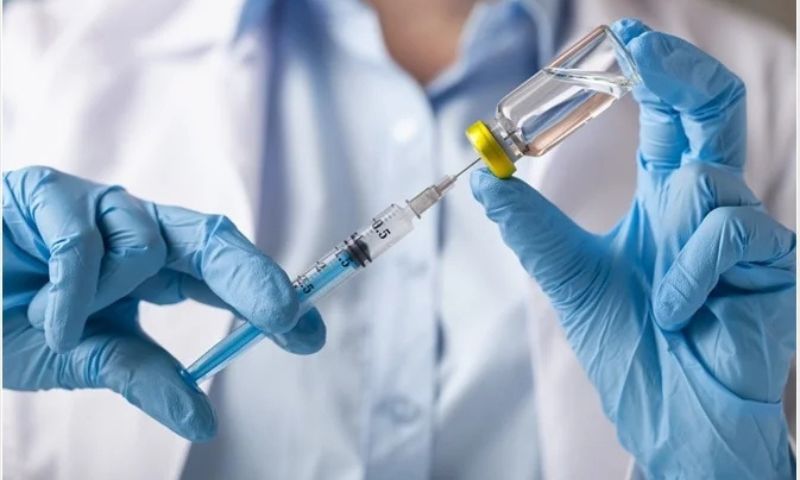
ISLAMABAD: Pakistan’s cabinet has approved the country’s first-ever National Vaccine Policy, a move aimed at boosting local vaccine production and reducing heavy reliance on costly imports.
وزیراعظم محمد شہباز شریف کی زیرِ صدارت وفاقی کابینہ کا اجلاس
اجلاس میں ملکی سطح پر ویکسین کی تیاری کی پالیسی، ملک کی پہلی نیشنل ایگریکلچر بائیو ٹیکنالوجی پالیسی، نیشنل سیڈ پالیسی اور نیشنل سکلز ڈیویلپمنٹ پالیسی کی منظوری دی گئی۔
نیشنل سکلز ڈیویلپمنٹ پالیسی کے تحت بیرونِ ملک… pic.twitter.com/MJ01GBU0nW
— Government of Pakistan (@GovtofPakistan) April 29, 2026
Pakistan currently imports almost all of its finished vaccines, according to procurement data from the World Health Organization (WHO) and UNICEF.
Public health experts warn that this dependence leaves the nation of over 240 million people vulnerable to global supply disruptions and contributes to an annual vaccine import bill exceeding $250 million.
Key features of the National Vaccine Policy
- Boost local vaccine production to reduce dependency on foreign imports
- Cut annual import bill of over $250 million through domestic manufacturing
- Enhance pandemic preparedness by expanding biotech and pharmaceutical capabilities
- Transform Pakistan into regional supplier once WHO prequalification standards are met
- Boost local vaccine production to reduce dependency on foreign imports, including exploring partnership with Riyadh
Government’s vision
Federal Minister for National Health, Syed Mustafa Kamal, announced on Wednesday that the federal cabinet had approved Pakistan’s first-ever National Vaccine Policy, paving the way for its local production. He termed the approval “a major milestone in strengthening Pakistan’s health care system.”
The minister added that Pakistan had long lacked a comprehensive national vaccine policy, emphasising that local production was essential for achieving self-reliance in the health sector.
He said the new policy aims to build national resilience by expanding biotech and pharmaceutical capabilities, reducing the import burden, and improving preparedness for future pandemics.
Prime Minister’s Focal Person for Polio Eradication, Ms. Ayesha Raza Farooq, has emphasized the critical importance of vaccination in protecting children from life-threatening diseases.
More Details:https://t.co/lcc9jR3Wja pic.twitter.com/vON3iwIDlE— APP (@appcsocialmedia) April 29, 2026
Future partnerships
In February this year, Pakistani health authorities held discussions with a visiting Saudi delegation to explore vaccine production partnerships. Kamal had said Islamabad was “very close” to reaching an agreement with Riyadh that would enable local vaccine production.
Officials say domestic manufacturing could eventually allow Pakistan to become a regional supplier once its facilities meet WHO prequalification standards.