


GUANGZHOU: China’s economy, which showed resilience during the trade tensions triggered by US President Donald Trump’s tariffs, is now facing fresh pressure as the Iran war disrupts global supply chains and raises costs for manufacturers.
According to the BBC, China’s manufacturing sector had already been transitioning from low-cost mass production to advanced technology. Although exports helped sustain around 5% GDP growth despite US tariffs, underlying challenges persisted.
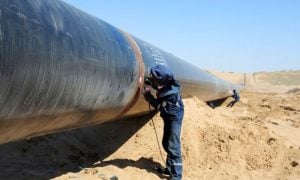
The Iran conflict has added a new strain, particularly by disrupting the Strait of Hormuz, a critical route for global oil shipments. As a result, industries reliant on petrochemicals, including textiles and plastics, are facing rising costs.
Higher prices have led to fewer orders, with some buyers unwilling to absorb the additional expenses.
Production margins
Manufacturers say the increase in oil prices has affected production margins, forcing many to either pass costs onto customers or absorb losses. In some cases, unsold goods are piling up in warehouses.
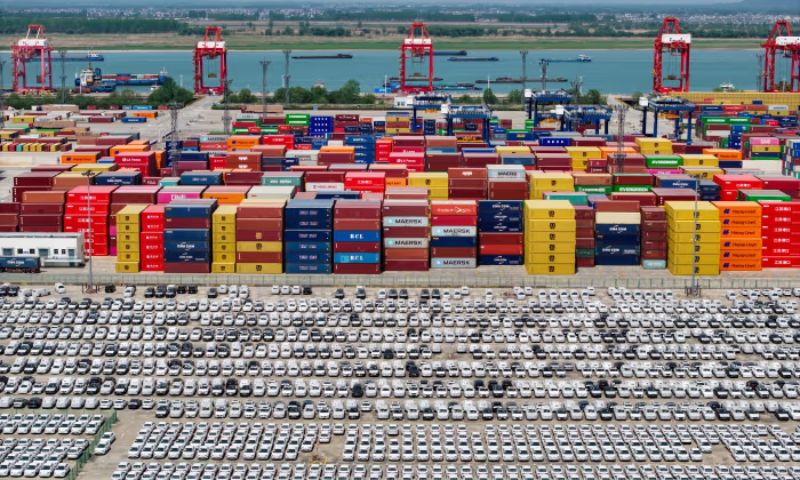
The conflict has also hit China’s export markets. Electric vehicle (EV) shipments to the Middle East, once a key destination, have slowed significantly. “Last year, 90% of our cars went to the Middle East, but this year, because of the war, we almost stopped doing business with them,” said trader Joyce Liu.
Despite these challenges, China continues to showcase technological innovation at trade fairs, promoting AI-powered products and EVs to new markets in Africa and South America.