
Key Points
- Higher freight and insurance costs expected to widen services deficit and affect exports
- Policy rate held at 10.5 per cent while inflation seen above 7 per cent FY26 with uncertainty
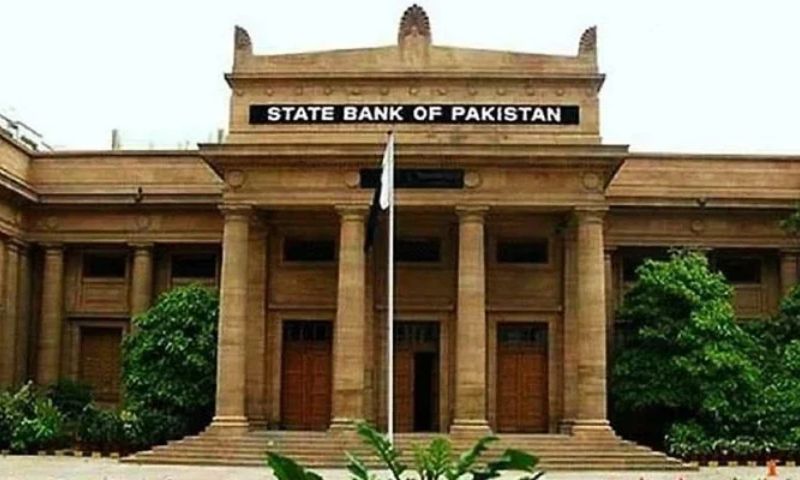
ISLAMABAD: The State Bank of Pakistan (SBP) has said rising global energy prices driven by the ongoing Middle East conflict are expected to put pressure on the country’s trade balance and inflation outlook, according to minutes of its Monetary Policy Committee (MPC) meeting.
The central bank said international oil prices have increased by around 28.1 per cent and liquefied natural gas (LNG) prices by about 38 per cent since the last meeting period, reflecting supply constraints and disruptions in shipping routes.
It said this movement in global commodity prices has contributed to a deterioration in Pakistan’s terms of trade, indicating a widening gap between import and export price dynamics.
The SBP noted that higher energy prices, combined with rising freight and insurance costs, are expected to increase the country’s import bill and widen the services account deficit. Export performance could come under pressure due to disruptions in the regional trade routes linked to geopolitical tensions.
Despite these external pressures, the central bank said workers’ remittances are expected to remain stable in the current fiscal year, supported by seasonal inflows.
The current account deficit is likely to remain within the projected zero to one per cent range of gross domestic product in FY26 under the baseline scenario, assuming expected external financing flows are realised, it added.
Foreign exchange reserves are projected to reach 18 billion dollars by June 2026, supported by anticipated official inflows.
On inflation, the central bank said price pressures are expected to rise faster than previously projected due to higher global energy costs, freight charges and adjustments in domestic energy tariffs.
Improved supply conditions for key food items and expected agricultural output from the Rabi season may partially offset inflationary pressures, it added.
Inflation is expected to remain above 7 per cent in the rest of the ongoing financial year. However, the outlook depends on uncertainty arising from volatile global commodity prices, domestic energy tariff adjustments and geopolitical developments.
The Monetary Policy Committee decided by a majority vote of eight out of ten members to keep the policy rate unchanged at 10.5 per cent. Still, two members voted in favour of a 50-basis-point increase. The policy rate is the central bank’s key instrument for managing inflation and economic stability.