


Key Points:
- Pakistan approves 40 food items for export to Gulf markets
- Port charges cut by up to 60 per cent to speed shipments
- Sea and air routes opened to ensure uninterrupted supply
- Priority berthing granted to oil tankers amid regional tensions
ISLAMABAD: Pakistan has accelerated efforts to supply food commodities to Gulf countries by expanding port and air operations amid supply disruptions after hostilities in the Middle East.
A high-level government review chaired by Prime Minister Shehbaz Sharif approved a coordinated plan to fast-track exports without affecting domestic food availability, officials said on Wednesday.
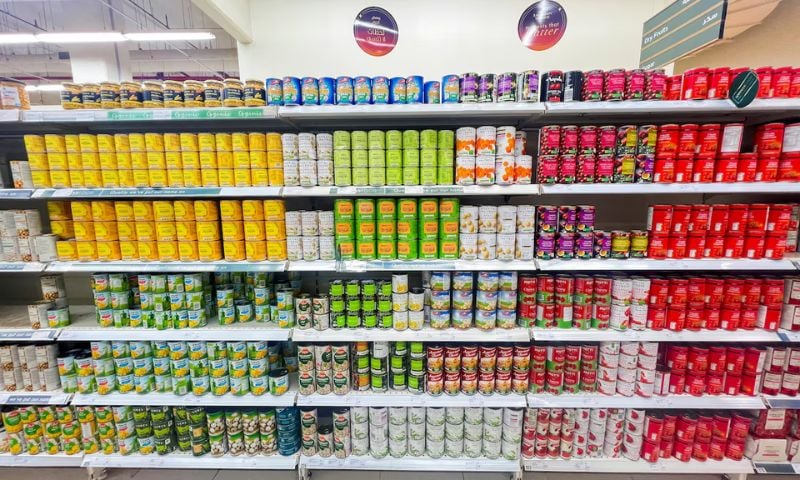
Authorities have cleared around 40 essential food items for export, including rice, edible oil, sugar, meat, poultry, dairy products, fruits and vegetables, according to an official briefing.
A central database of exporters has been prepared to streamline trade flows with Gulf markets, alongside direct engagement with importers through business meetings and virtual platforms.
To support shipments, Pakistan is utilising both sea and air routes, with instructions issued to increase flight operations from major international airports and ensure uninterrupted logistics.
Port operations have been expanded, with Karachi and Port Qasim remaining fully functional during the Eid holidays to avoid bottlenecks.
The ports’ handling capacity is enhanced by allowing transhipment at off-dock terminals following regulatory adjustments, officials said.
Transport and handling charges at ports have been reduced by up to 60 per cent to lower export costs and improve competitiveness.
Export facilitation centres have also been activated at ports to assist traders and expedite documentation.
In parallel, oil tankers carrying crude are being given priority berthing to ensure energy supplies remain stable despite heightened regional risks.
Officials said the measures are aimed at strengthening Pakistan’s role as a reliable supplier to Gulf countries during heightened uncertainty in global trade routes.
The government has also directed close monitoring of domestic supply and demand to prevent shortages, warning that delays in implementation will not be tolerated.