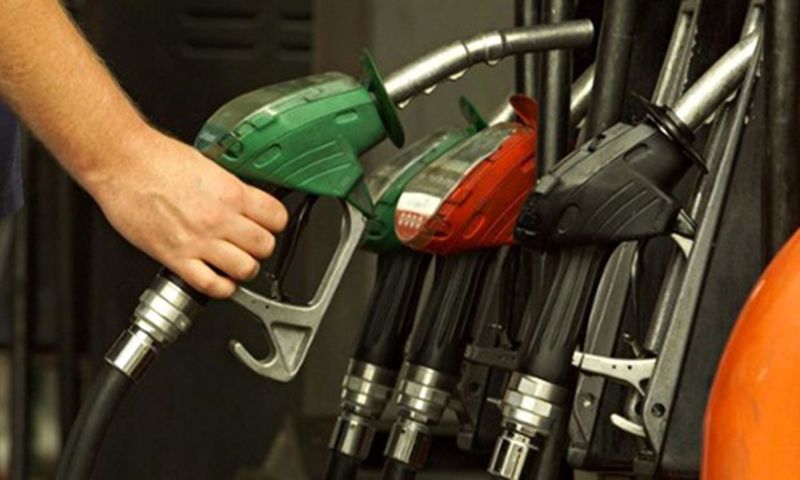



ISLAMABAD: Pakistan’s Prime Minister Shehbaz Sharif on Friday announced that the government would not increase petroleum product prices despite a sharp rise in global oil markets, saying the decision was aimed at reducing the financial burden on citizens.
The announcement came as the federal government was scheduled to review domestic fuel prices on March 13 amid continued volatility in international energy markets triggered by the ongoing US-Israel-Iran conflict.
In a statement issued by the Prime Minister’s Office (PMO), PM Sharif said the government had decided to keep fuel prices unchanged “to reduce the burden on the common man”.
“As promised, we will provide as much relief as possible to the people despite these challenging circumstances,” the prime minister said.
وزیرِ اعظم محمد شہباز شریف کا عالمی منڈی میں تیل کی مزید قیمتیں بڑھنے کے باوجود عوام سے کئے گئے وعدے کے مطابق اس مرتبہ پیٹرولیم مصنوعات کی قیمتیں نہ بڑھانے کا فیصلہ
عام آدمی پر بوجھ کم کرنے کے لیے، قیمتوں میں اضافہ نہیں کیا جا رہا۔
اپنے وعدے کے مطابق جس قدر ہو سکا، ان مشکل… pic.twitter.com/MT27Gfapdb
— PTV News (@PTVNewsOfficial) March 13, 2026
Global energy turmoil
Global oil prices have surged in recent weeks following the escalation of the conflict between the United States, Israel and Iran, which has disrupted supply chains and pushed crude prices above $100 per barrel.
The closure of the Strait of Hormuz — a strategic waterway that normally handles about one-fifth of global oil shipments — has intensified concerns over global energy supplies.
Prime Minister Sharif said regional tensions were exerting pressure on the global economy and could significantly affect Pakistan’s financial stability.
“The global economy is currently under pressure due to regional tensions, which is likely to have a profound impact on Pakistan’s economy,” he said, according to state media.
He said the government was attempting to manage the situation through “timely policy-making, austerity measures and financial discipline”.
Pakistan pushes austerity measures
The prime minister said both federal and provincial governments were implementing austerity and energy-saving measures to cope with the fuel crisis.
He added that provincial administrations were supporting the federal government’s cost-saving initiatives.
PM Sharif also said he was committed to reducing the burden on poorer segments of society.
“As a public servant, I am resolved to start reducing the burden on the poor by beginning with the country’s elite and the government itself during these difficult times,” he said.
The government is also working to ensure that fuel retailers do not charge consumers above the officially notified prices.
“The federal and provincial governments are working together to ensure that no one is charged more than the price set by the government,” he said.
Adequate oil supplies available
Prime Minister Sharif said Pakistan currently had sufficient crude oil supplies to meet domestic demand.
He credited diplomatic and economic teams for ensuring the availability of adequate fuel supplies despite disruptions in global markets.
“Due to the efforts of the diplomatic and economic teams, adequate quantities of crude oil are available for the country’s needs,” he said.
He also expressed hope that the international situation would stabilise and lead to more predictable petroleum prices.
The government’s latest decision comes just a week after it sharply increased petrol and diesel prices by Rs55 per litre on March 6.
The increase pushed the price of petrol to around Rs321 per litre and high-speed diesel to about Rs336 per litre.
In an address to the nation on March 9, PM Sharif announced a series of austerity measures to manage the fuel crisis and reduce energy consumption.
The measures included cutting government expenditures, reducing the working week to four days and limiting non-essential travel.
He said both federal and provincial governments would adopt “austerity and simplicity” to cope with the economic pressures created by the global fuel crisis.