
Key Points
- IEA warns of the largest oil supply disruption in history
- Gulf attacks disrupt crude supply, affecting nearly 10% of global demand
- Prior emergency reserve releases partially mitigated the impact
- Oil prices surge and international markets feel pressure amid ongoing tensions
ISLAMABAD: The International Energy Agency (IEA) has warned that the ongoing conflict in the Middle East has triggered the largest oil supply disruption in history, causing significant economic repercussions worldwide.
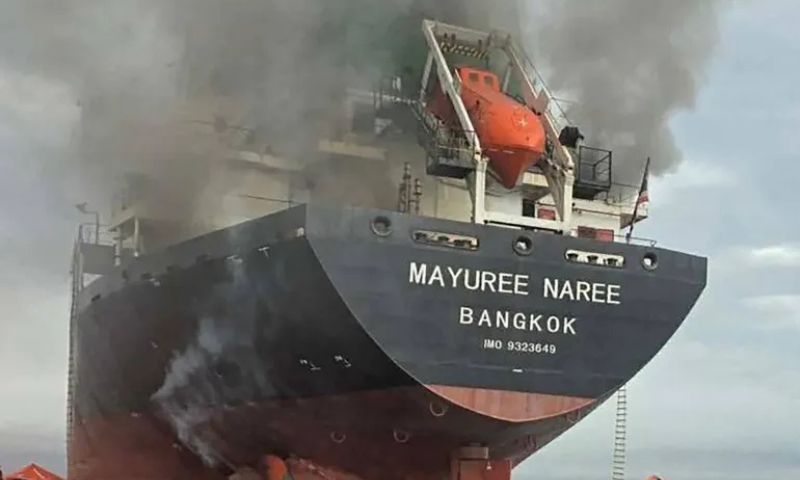
Attacks on oil tankers and critical shipping infrastructure in the Gulf have cut Gulf oil output by more than 10 million barrels per day, equivalent to nearly 10 per cent of global demand, according to the IEA.
The Strait of Hormuz, a strategic chokepoint through which a substantial portion of the world’s crude passes, has been particularly affected, leading to delays and uncertainty in global shipments.
While previous emergency releases of strategic reserves helped alleviate some of the disruption, the continued attacks and instability are keeping markets under extreme pressure.
Oil prices have surged, and global equities have reacted sharply, with some stock indices experiencing declines in tandem with the rising cost of energy.
Economists warn that the prolonged disruption could exacerbate inflationary pressures in both developed and emerging markets.
Rising oil prices increase transportation and manufacturing costs, which can ripple through supply chains, affecting everything from consumer goods to industrial production.
Officials emphasised that the broader disruption will persist until safe and sustained shipping through key routes, including the Strait of Hormuz, is restored.
Maritime security operations and international coordination efforts are being ramped up, but analysts say resolution may take weeks or even months, depending on the trajectory of the conflict.
Energy analysts warn that the conflict’s impact is ongoing, with high volatility expected to continue as long as regional tensions disrupt oil production and transportation.
The IEA has urged countries to monitor inventory levels and consider contingency plans to prevent severe shortages, particularly in energy-dependent economies.
In addition to the immediate economic implications, the disruption is expected to accelerate discussions on energy diversification.
Countries reliant on Gulf oil are exploring alternative sources, including strategic partnerships, renewable energy investments, and local production enhancement, to reduce future vulnerability.
The situation underscores the global consequences of regional conflicts on energy security, inflation, and economic stability for both importing and exporting countries.
Policy makers are also considering broader geopolitical impacts, as energy disruptions can affect diplomatic relations, trade negotiations, and regional alliances.
The IEA continues to monitor the situation closely, providing regular updates to member countries and the global market.
Analysts suggest that the emergency reserve releases provided a temporary buffer.
However, sustained stability in the oil markets will require a durable resolution to the conflict and the resumption of normal shipping operations through the Gulf.