Key Points
- Talks on third review of the Extended Fund Facility to continue in coming days
- Escalating Middle East conflict identified as a major external risk
- Energy prices and external financing pressures under close review
- Fiscal consolidation, tight monetary policy and energy reforms remain central
ISLAMABAD: Pakistan and the International Monetary Fund have made significant progress in talks to unlock the next tranche of the country’s economic reform programme loan and the climate facility funding.
The IMF mission has flagged that the intensifying conflict in the Middle East could pose a major risk affecting Pakistan’s economic outlook and external financing needs.
An IMF mission reviewing Pakistan’s programme said discussions on the third review of the 37‑month Extended Fund Facility and the second review under the Resilience and Sustainability Facility advanced substantially. However, negotiations will continue in the coming days before a final agreement is reached.
“While considerable progress was made in the discussions, these will continue in the coming days, including to more fully assess the impact of recent global developments on Pakistan’s economy and the EFF‑supported program,” the Fund said in its end‑of‑mission statement.
The IMF noted that programme implementation remained broadly aligned with commitments made by the Pakistani authorities.
“Program implementation under the EFF remained broadly aligned with the authorities’ commitments through end‑February 2026,” the statement said.
Policy discussions focused on sustaining fiscal consolidation to strengthen public finances and maintaining sufficiently tight monetary policy. Inflation remains within the State Bank of Pakistan’s target range, and reforms aimed at improving the financial viability of the energy sector are advancing.
“Considerable progress was made in the discussions on policies ahead, including on sustaining the fiscal consolidation to strengthen public finances,” it added.
The Fund also highlighted rising geopolitical risks. “Discussions also covered the impact of the conflict in the Middle East on Pakistan’s economic outlook, the balance of payments and external financing needs amid volatile and rising energy prices and tighter global financial conditions,” the statement said.
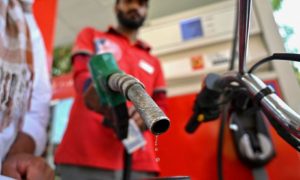
Pakistan remains particularly sensitive to movements in global oil and gas markets because of its large dependence on imported energy. Any sustained increase in prices could widen the current account deficit and add pressure on inflation and foreign exchange reserves.
The IMF programme has played a central role in stabilising Pakistan’s economy after severe balance‑of‑payments pressures in recent years.
Continued engagement with the Fund is widely viewed as essential for sustaining investor confidence and unlocking additional financing from international partners.
Energy sector reforms formed an important part of the latest review discussions. The sector’s chronic circular debt and structural inefficiencies continue to weigh on public finances and economic productivity, making reform a priority under the programme.
The mission also noted progress on Pakistan’s climate reform agenda, supported through the Resilience and Sustainability Facility. The Financing aims to strengthen climate resilience and improve long‑term economic stability.
The IMF mission and Pakistani authorities are expected to continue technical discussions virtually in the coming days to conclude the review and determine the next phase of the programme.