Key Points
- Global oil prices surge above $100 a barrel as Middle East conflict disrupts supply routes
- Bangladesh shuts universities and caps fuel sales to cut electricity demand
- Myanmar launches vehicle fuel rationing amid shipping disruptions
- India diversifies crude imports, cuts industry gas, prioritising domestic energy security
- Pakistan and other vulnerable economies face inflation and supply pressure
ISLAMABAD: The widening Iran war in the Middle East is triggering energy ripples far beyond the battlefield, forcing governments across Asia and other import-dependent economies to adopt contingency management.
Most of the energy-deficient countries are forced to take emergency measures to secure fuel supplies and shield their economies from soaring oil prices.
Disruptions: immediate fallout
The conflict has rattled global energy markets because the Gulf region remains the heart of the world’s oil trade.
Nearly a fifth of global oil shipments pass through the Strait of Hormuz, a narrow maritime corridor connecting the Arabian Gulf to the Arabian Sea.
Any disruption to this route can quickly tighten global supply. Oil prices have already surged above $100 per barrel amid fears of prolonged supply disruptions and potential shipping risks in the Gulf.
What to do: for energy importers
For countries that rely heavily on imported energy, the consequences are immediate: higher fuel costs, pressure on electricity generation and rising inflation.
Governments across several developing economies are now deploying emergency responses ranging from fuel rationing to demand-reduction policies.
Bangladesh: rationing and university shutdowns
Bangladesh has introduced some of the most visible emergency measures to reduce energy consumption.
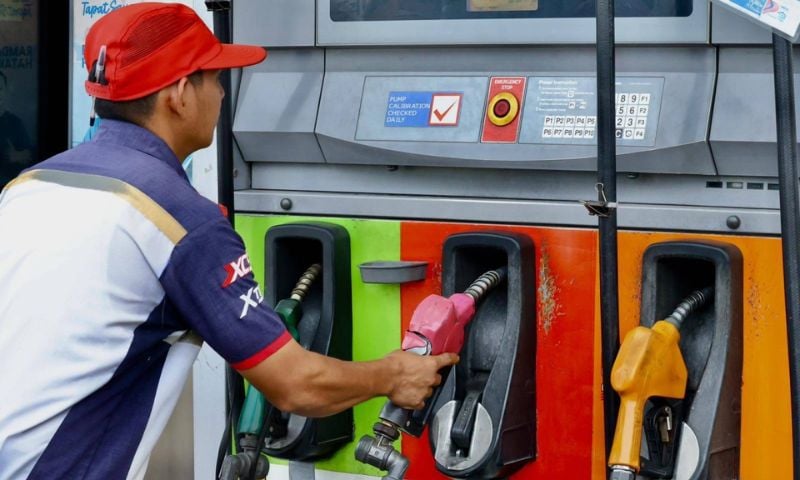
Authorities have imposed limits on fuel sales after panic buying spread across cities and queues formed at filling stations.
The government has also shut down universities nationwide, bringing forward the holidays as part of efforts to reduce electricity demand and transportation fuel consumption.
The decision reflects Bangladesh’s deep exposure to global energy shocks.
The country imports roughly 95 per cent of its energy needs, making it highly vulnerable to disruptions in international fuel markets.
Gas shortages have already forced the shutdown of several state-run fertiliser plants so that limited supplies can be redirected to electricity generation.
Officials are also seeking additional liquefied natural gas shipments on the spot market despite sharply higher prices.
Myanmar: vehicle fuel rationing
Myanmar has introduced fuel rationing for private vehicles as authorities struggle to manage supply disruptions.
Under a new system, vehicles with even-numbered licence plates are allowed to purchase fuel only on even-numbered calendar days, and odd-numbered vehicles on alternate days.
The government says the measure is necessary because global shipping disruptions and higher oil prices are limiting fuel imports into the country.
Myanmar relies heavily on refined petroleum imports from regional refining hubs, which themselves process crude sourced largely from the Middle East.
Residents in major cities fear the restrictions could further increase living costs in an economy already facing high inflation and frequent power outages.
India: diversifying energy supplies
India, the world’s third-largest oil importer, is focusing on supply diversification and strategic planning rather than rationing. Its energy companies instantly reduced the gas supplies to industries by ten to 30 per cent.
New Delhi is exploring alternative sources of crude oil and natural gas while monitoring global market conditions to ensure adequate supplies for domestic consumers.
India imports about 85 per cent of its crude oil requirements, making stability in the Gulf region crucial for its economy.
Refiners are reportedly expanding purchases from suppliers outside the Middle East and maintaining higher operational levels to prevent domestic shortages.
Pakistan: rising prices and supply pressure
Pakistan, another heavily import-dependent economy, is already experiencing the economic effects of the crisis through rising fuel prices.
Authorities have massively increased petrol and diesel prices following the surge in international crude markets, and long queues were reported at fuel stations in some areas ahead of the price adjustments.
The conflict has also disrupted cross-border fuel trade with neighbouring Iran in parts of Pakistan, creating additional pressure on local markets.
Economists warn that prolonged high oil prices could widen Pakistan’s trade deficit and increase inflation because transportation and electricity costs are closely tied to imported fuel.
Other countries: global energy shock
The energy shock is also rippling across other developing economies.
Several countries that depend heavily on imported petroleum are preparing for rising transport costs and inflation as oil prices climb.
Although some oil-producing states may benefit from higher crude prices, many still import refined fuel, limiting the economic gains.
Governments around the world are also considering coordinated releases from strategic petroleum reserves to stabilise global markets and ease inflationary pressure.
A reminder of global energy vulnerability
The unfolding crisis underscores how geopolitical tensions in the Middle East can quickly destabilise energy markets worldwide.
For many developing economies, the current shock has revived concerns about energy security, strategic reserves and the urgent need to diversify energy sources.
If the conflict continues or shipping routes remain threatened, analysts warn the world could face a deeper and more prolonged energy crunch affecting transportation, industry and household energy costs across continents.