Key Points
- Cabinet committee reviews national fuel stocks amid regional conflict
- Government says petroleum reserves remain at comfortable levels
- Provinces tasked with strict enforcement against hoarding and smuggling
ISLAMABAD: Pakistan’s government moved to reassure markets and consumers on Thursday after a high‑level meeting reviewed national fuel reserves and supply routes amid growing instability in global energy markets triggered by the escalating regional conflict.
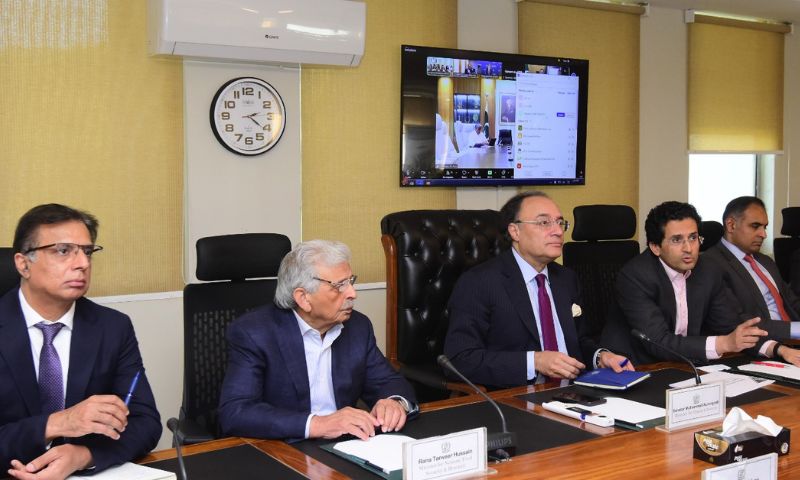
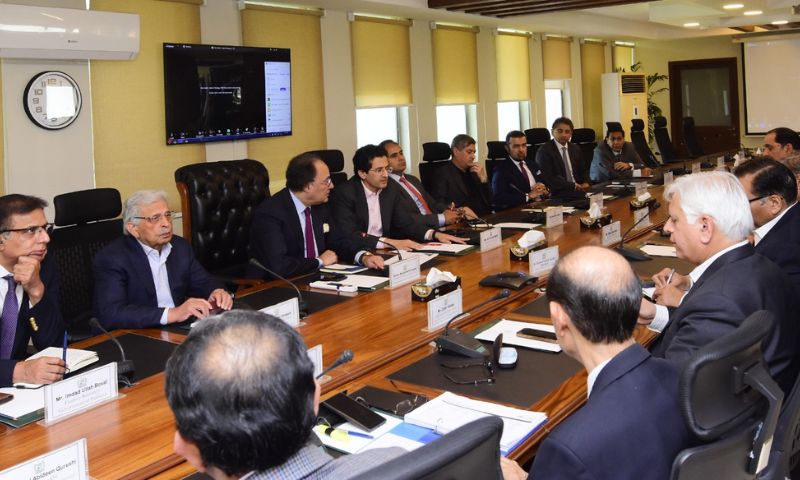
The meeting of the cabinet committee formed by the Prime Minister to constantly monitor petroleum prices was chaired by Finance Minister Muhammad Aurangzeb and brought together federal ministers, provincial authorities and energy regulators to assess the country’s preparedness.
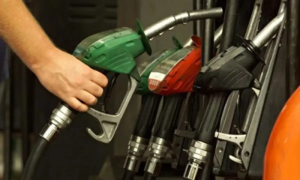
Officials told the committee that Pakistan currently holds comfortable stocks of petroleum products and that there is no immediate risk to domestic availability.
However, the panel noted that global energy supply chains are entering a volatile phase as conflict‑related disruptions raise freight costs, insurance premiums and risks to major shipping routes.
Energy officials briefed the cabinet committee on developments in international oil markets, including movements in benchmark prices, maritime routing risks and the possibility of congestion at critical supply chokepoints used for crude and refined fuel shipments to Asia.
The committee reviewed multiple supply scenarios and contingency plans for protecting domestic fuel availability if global disruptions intensify.
Officials warned that emerging “war premium” dynamics and stronger competition for energy cargoes in Asian markets could raise import costs and place pressure on external accounts if volatility persists.
To reduce exposure to supply disruptions, the government is pursuing diversified sourcing and logistics arrangements through diplomatic and commercial engagement with partner countries and energy suppliers.
Officials discussed options to secure additional crude and refined products through alternative routes and ports outside high‑risk corridors.
The meeting directed provincial administrations to step up enforcement against hoarding, illegal storage and fuel diversion.
Officials also reviewed the supply outlook for liquefied natural gas and liquefied petroleum gas, including shipment schedules and terminal operations. Contingency demand‑management options were discussed to protect priority sectors if disruptions persist.
The committee decided to finalise its recommendations and submit a comprehensive implementation plan to the Prime Minister covering supply assurance, enforcement, governance mechanisms and potential conservation measures.
Authorities said the committee will continue to meet daily to track global energy developments, monitor national stock levels and coordinate policy responses across federal and provincial agencies.
Officials are also examining policy adjustments to manage volatility in domestic fuel pricing.
According to officials familiar with the discussions, a proposal is under consideration to shift Pakistan’s petroleum price review mechanism from the current fortnightly adjustment to a weekly review cycle if international market turbulence intensifies.
The move is intended to enable quicker alignment with global price movements and avoid sudden large adjustments in retail fuel prices.
As part of contingency planning, policymakers are also evaluating energy‑conservation measures, including limited work‑from‑home arrangements in selected government and corporate sectors to reduce fuel consumption in major cities if the regional situation deteriorates further.
Government officials reiterated that national fuel reserves remain adequate and dismissed speculation about shortages circulating on social media.
They said strict monitoring would be enforced across the supply chain to prevent hoarding, illegal storage or diversion of petroleum products.
Petroleum dealers, commonly known as petrol pump operators across Pakistan, said they were closely monitoring developments in global markets but confirmed that supplies at retail outlets remain stable.
Representatives of dealer associations said their primary concern is maintaining an uninterrupted supply to consumers and ensuring that panic buying does not emerge if geopolitical tensions escalate.
Executives from oil marketing companies licensed by the Oil and Gas Regulatory Authority (OGRA) also indicated that the industry is coordinating with the government to maintain supply continuity.
Company officials said cargo scheduling, shipping routes and import planning are being reviewed to reduce exposure to high‑risk maritime corridors and the possible extended disruptions in the Gulf energy trade.