Key Points
- Alternative markets in the Middle East and Southeast Asia absorb redirected shipments
- USD 40 million earned from exports during the peak period
- Citrus exports contribute significantly to Pakistan’s overall agricultural trade
- Storage and value addition facilities enhance quality and export potential
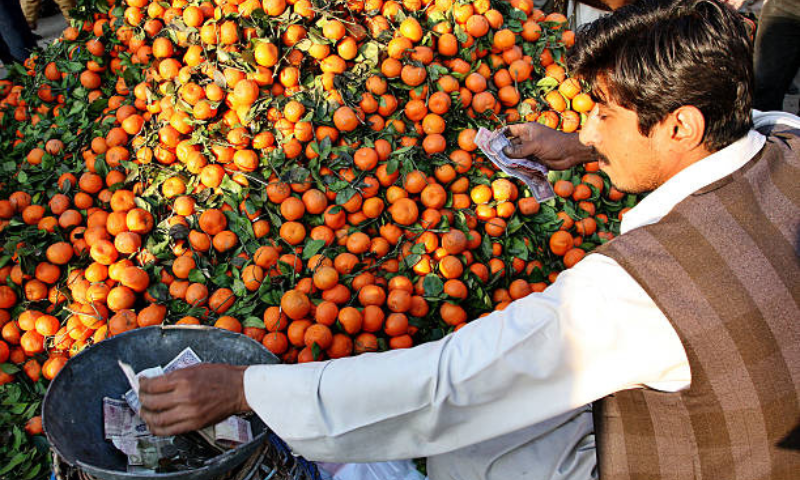
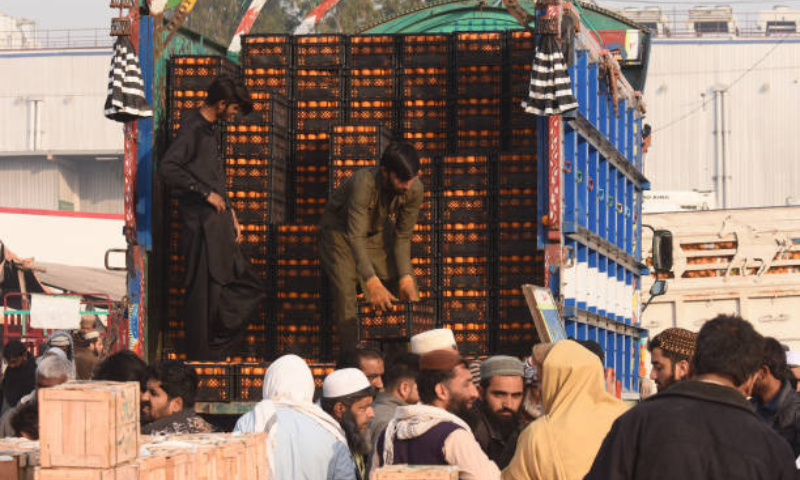
ISLAMABAD: Pakistan’s kinnow exports have maintained a strong upward trajectory despite the closure of the Afghan market, with USD 40 million in earnings recorded during the peak export period of December and early January.
The resilience of the citrus sector reflects swift government intervention, market diversification, and close coordination with exporters under the guidance of Federal Minister for Commerce Jam Kamal Khan.
Kinnow, a hybrid citrus fruit developed in the 1930s in Punjab, is a cross between King and Willow Leaf mandarin oranges. A mandarin is a type of small, sweet citrus fruit closely related to oranges, often easy to peel and with a rich flavour. Unlike standard oranges, mandarins—including the King mandarin used in kinnow—are generally smaller, less acidic, and have a thinner, looser peel, making them easier to segment and eat. For clarity, the term “mandarin” here refers to the citrus fruit and is unrelated to the Chinese Mandarin language.
The King mandarin used in the hybrid originally came from Orange County, California, USA. However, the Willow Leaf mandarin originated in China, which is why the development of kinnow reflects both American and Chinese citrus breeding.
It was later introduced in Pakistan, where it has become a major fruit crop, particularly in the provinces of Punjab and Sindh. The fruit is valued for its sweet taste, high juice content, and long shelf life, making it highly suitable for both domestic consumption and export markets.
Citrus, particularly kinnow, accounts for around 20 per cent of Pakistan’s overall fruit export earnings. As one of the leading global producers and exporters of kinnow, Pakistan relies on key markets in the Middle East, Europe, and South Asia to sustain its export flows and foreign exchange earnings.
The country has steadily improved storage and value-addition facilities, including cold chain infrastructure, packhouses, and processing units. These enhancements help maintain fruit quality during transit, extend shelf life, and enable export of value-added products such as juice, concentrates, and ready-to-eat segments, further strengthening export competitiveness.
Following the disruption in Afghanistan, the Ministry of Commerce, in collaboration with the Trade Development Authority of Pakistan (TDAP), facilitated the redirection of consignments to alternative markets, ensuring timely shipments and minimising potential losses for growers and exporters.
Officials highlighted that focused market outreach, compliance with international quality standards, and enhanced trade facilitation contributed to maintaining steady export volumes.
The Trade Development Authority of Pakistan supported exporters through targeted promotion, coordination with overseas trade missions, and continuous assistance in logistics and documentation. This collaboration preserved Pakistan’s reputation as a reliable citrus supplier.
The sustained performance has reinforced confidence across the kinnow value chain, benefiting farmers, processors, packers, and exporters.
Stakeholders say the sector’s resilience amid regional trade constraints demonstrates the effectiveness of government-led export facilitation and strategic market diversification.
The ongoing growth of kinnow exports is a positive sign for the overall agricultural export sector and also reflects the government’s dedication to export-led growth.