Key points
- Demonstrations spread from Tehran nationwide
- Political frustration grows alongside economic anger
- Pro-government rallies counter ongoing protests
ISLAMABAD: Protests in Iran have entered their second week, driven initially by economic grievances but increasingly taking on political overtones, as authorities tighten security, impose internet restrictions and organise counter-rallies in support of the government.
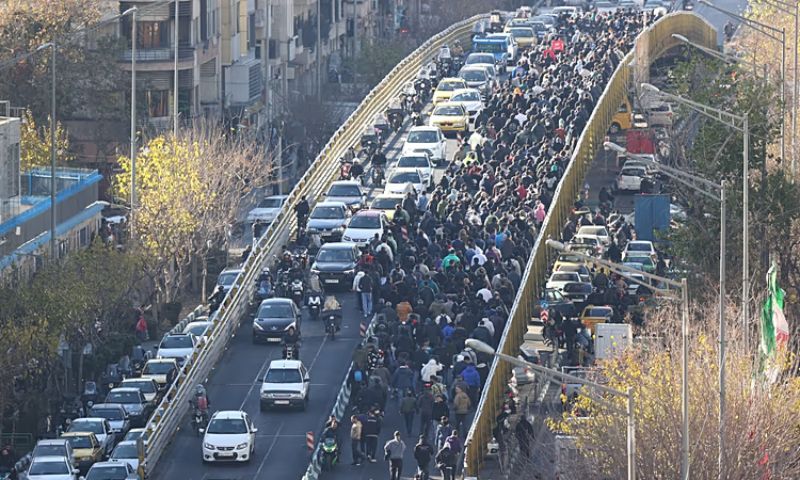
The demonstrations began on 28 December in central Tehran, where shopkeepers and traders in the Grand Bazaar closed their businesses to protest against the sharp fall of the Iranian rial and the rising cost of living. What started as an economic protest quickly gained momentum, spreading from Tehran to 13 other cities across the country within days.
Why people are protesting
At the heart of the unrest is Iran’s struggling economy. Ordinary citizens have been hit hard by inflation, a weakening currency and rising prices of basic goods. Many protesters say wages have failed to keep pace with the cost of essentials such as food, fuel and household items, placing severe strain on families.
While the initial protests focused largely on economic hardship, chants and slogans in some cities later reflected broader political frustration. Demonstrators in certain areas criticised government priorities and questioned spending abroad while domestic living conditions continue to deteriorate. Authorities, however, maintain that economic pressure is largely the result of external sanctions and global factors.
What has happened so far
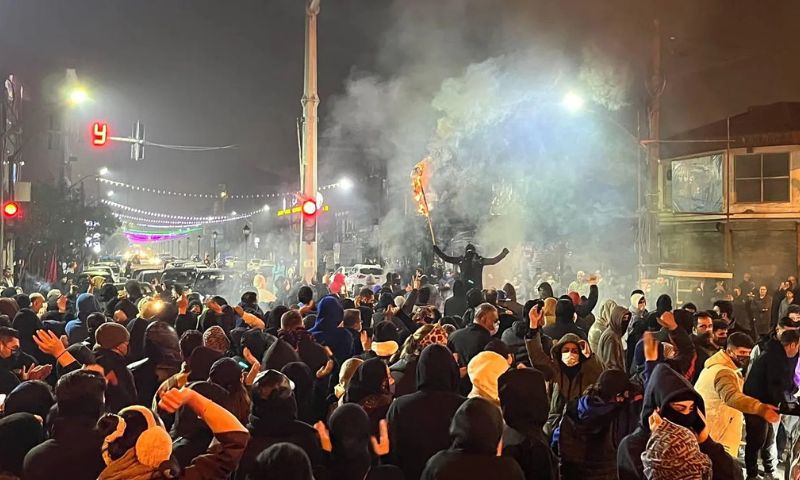
After erupting in Tehran, protests spread rapidly to cities including Isfahan, Shiraz, Mashhad, Tabriz and Ahvaz. Demonstrations have taken various forms, including market closures, street rallies and night-time gatherings. In some places, clashes were reported between protesters and security forces.
The government initially acknowledged public economic concerns and urged calm, but as protests expanded, officials adopted a firmer tone. Security forces were deployed in large numbers, and the judiciary warned that those involved in violence or unrest would face strict punishment. Arrests have been reported, though official figures remain limited.
Pro-government rallies
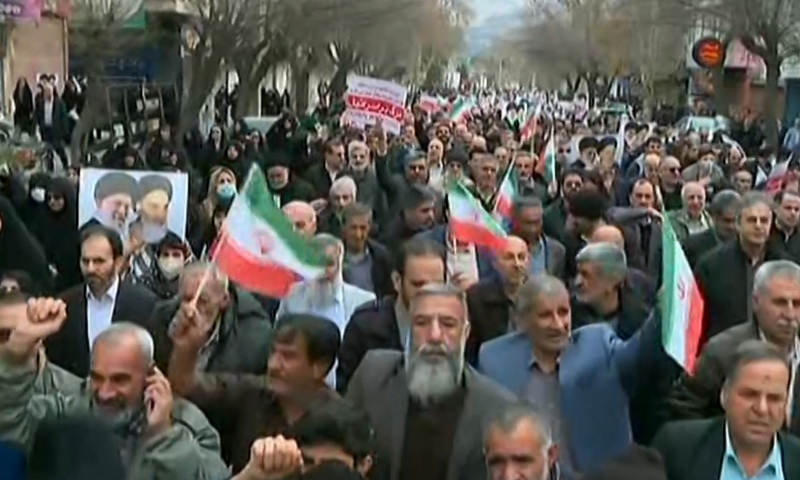
On Wednesday, authorities organised and encouraged pro-government rallies in several cities, with participants expressing support for the leadership and condemning what they described as foreign interference. State media broadcast images of crowds waving Iranian flags and chanting slogans backing the government, presenting the rallies as evidence of public loyalty and stability.
Officials have repeatedly accused hostile foreign actors of exploiting economic dissatisfaction to fuel unrest, a claim denied by protesters and opposition voices.
Internet restrictions and crackdown
As protests intensified, the authorities imposed widespread internet restrictions, with reports of near-total shutdowns in many areas. Messaging apps, social media platforms and international calls were disrupted, limiting the flow of information and making communication difficult for ordinary citizens.
Human rights groups claim the crackdown has included mass detentions and the use of force to disperse gatherings. Iranian officials have defended the measures as necessary to restore order and prevent violence, while critics argue they are aimed at silencing dissent.
Impact on daily life
Daily life has been significantly affected. Market closures and strikes disrupted trade, while transport and public services were intermittently affected in some cities. Businesses reliant on online transactions and communications faced losses due to internet disruptions, and families reported difficulties contacting relatives inside and outside the country.
As protests continue, uncertainty remains over how long the unrest will last and whether authorities will address the underlying economic grievances driving public anger. The government insists stability will be restored, while protesters say meaningful change is needed to ease daily hardships.