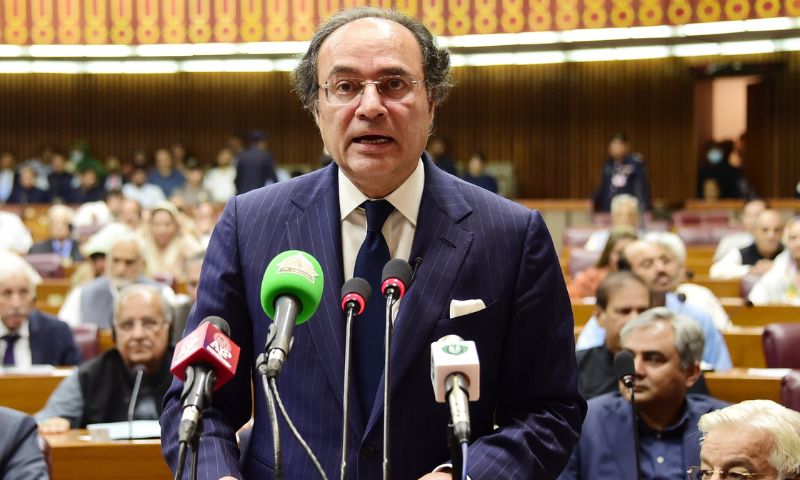
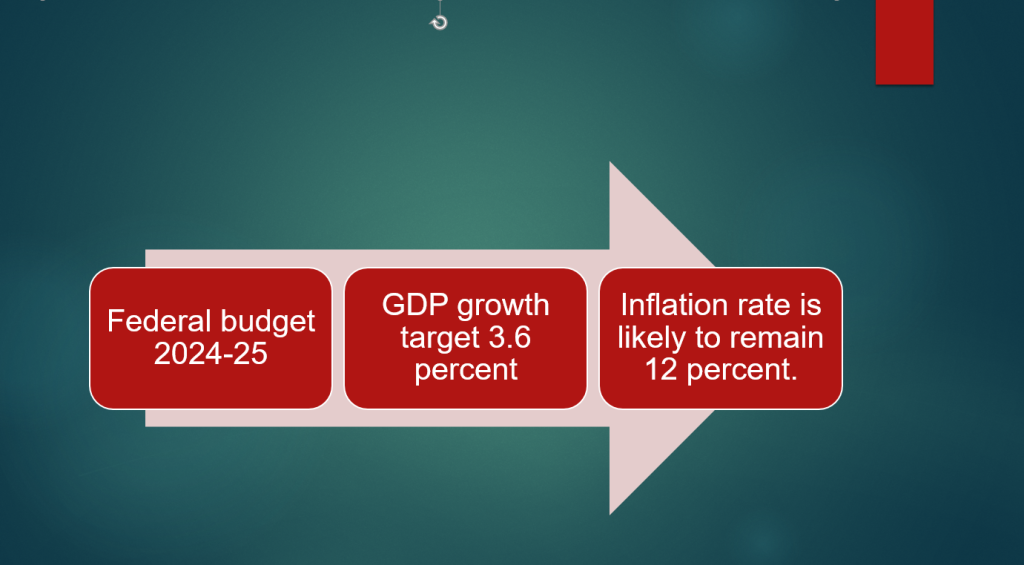
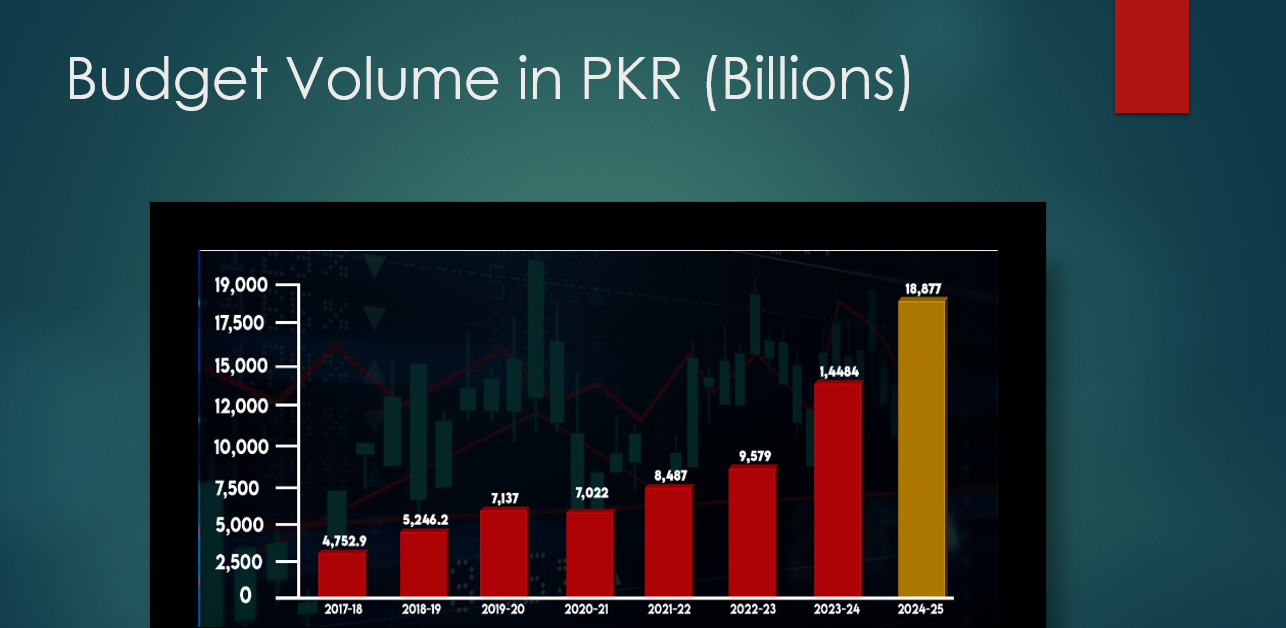
ISLAMABAD: Pakistan’s Finance Minister Muhammad Aurangzeb on Wednesday unveiled the Rs 18.877 trillion relief-oriented federal budget for the fiscal year 2024-25. Presenting the federal budget in the National Assembly, the minister said that the GDP growth target for the fiscal year 2024-25 is fixed at 3.6 percent, whereas the inflation rate is likely to remain at 12 percent. The government has decided to chase an overambitious tax revenue target of Rs 13 trillion for the fiscal year 2024-25.
He said that the budget deficit to GDP during the period under review is estimated at 6.9 percent, whereas the primary surplus during the review period is projected at 1.0 percent of the GDP.
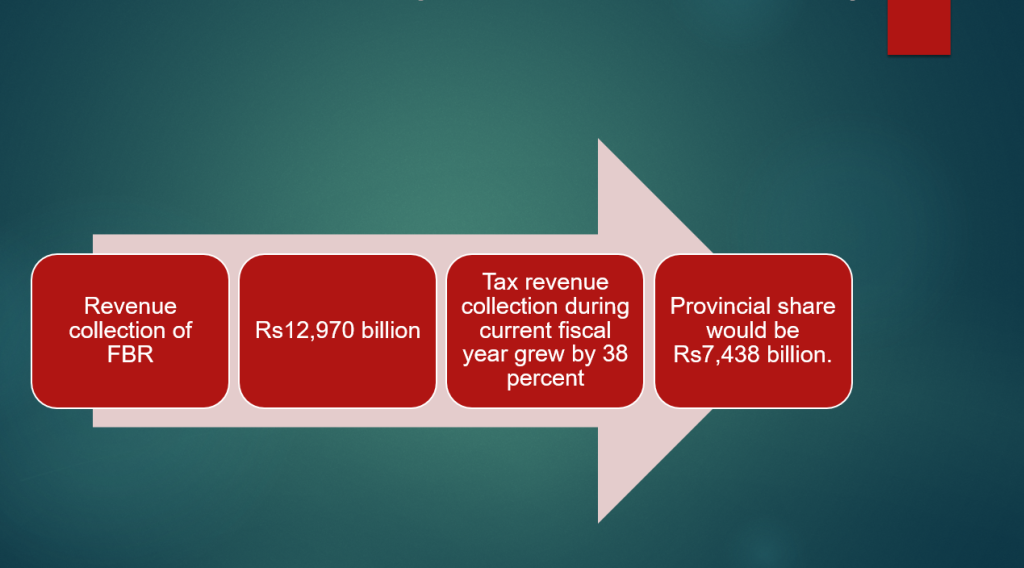
He said that the Revenue collection of the Federal Board of Revenue (FBR) is estimated to be Rs12,970 billion during the upcoming financial year, saying that tax revenue collection during the current fiscal year grew by 38 percent and the provincial share would be Rs7,438 billion.
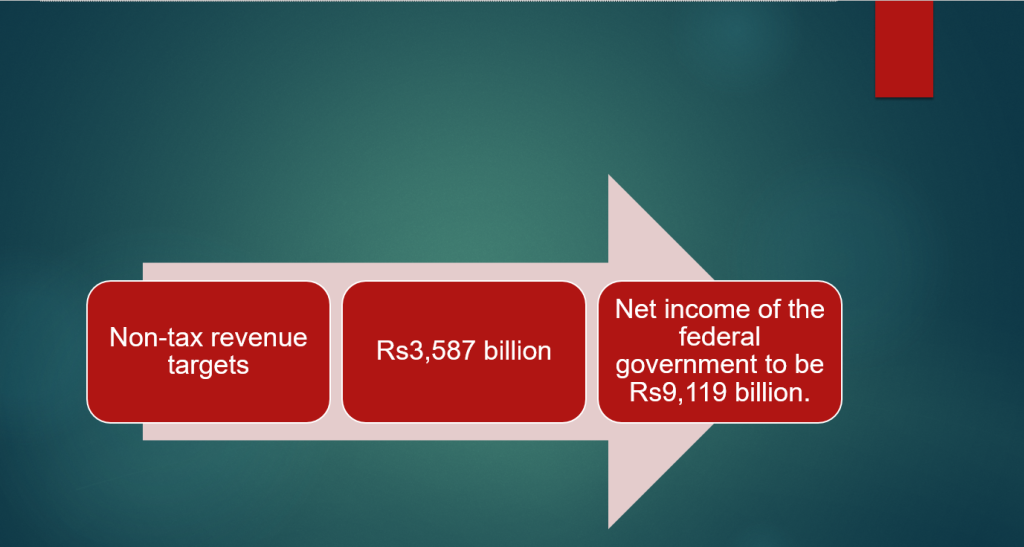
He said that the non-tax revenue targets of the federation are fixed at Rs3,587 billion, whereas the net income of the federal government would be Rs9,119 billion.
The total expenditures of the federal government are estimated at Rs18,877 billion out of the total amount of Rs9,775 billion would be spent on interest payments.
The government has allocated Rs1,400 billion for the Public Sector Development Program in its current budget, adding that an additional amount of Rs100 billion would be allocated under Public Private Partnership, he added.
This year, he claimed, over all development budget was the highest in the country’s history comprising Rs1,500 billion. The minister said that the government would provide Rs2,122 billion for defence, and Rs839 billion would be allocated for Civil Administration.
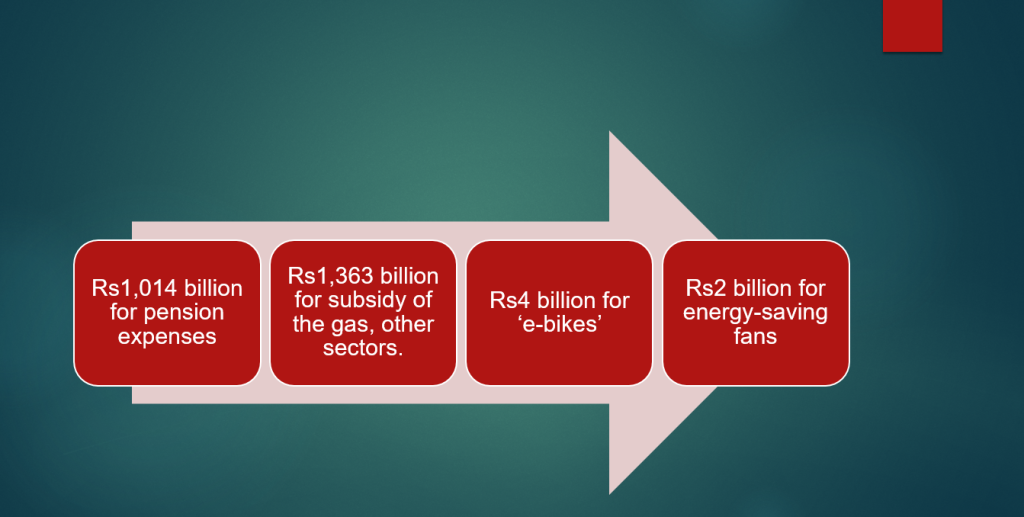
Meanwhile, an amount of Rs1,014 billion has been allocated for pension expenses, saying that Rs1,363 billion is allocated for the subsidy of the gas and other sectors.
The Minister said that a Rs4 billion allocation was made for ‘e-bikes’ and another Rs2 billion for energy-saving fans that promote energy conservation in the country.
Rs86.9 billion allocated to promote remittances in Pakistan, the Minister added. He proposed Rs79 billion for the IT sector in the country. The Minister maintained that Rs8 billion would be allocated for an IT park in Karachi. He said that Rs253 billion has been allocated for the energy sector in the country.
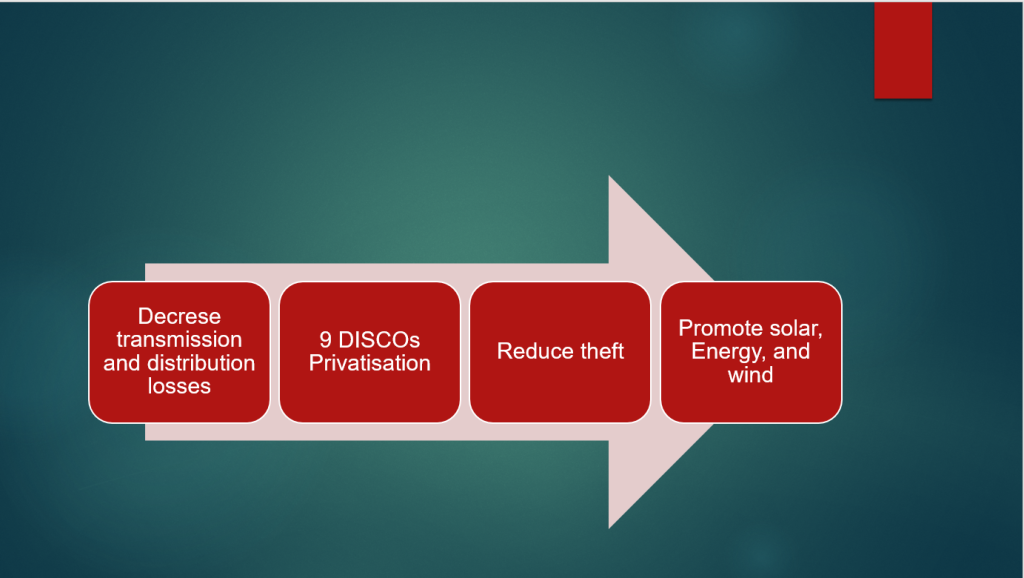
Aurangzeb highlights focus on these areas for the energy sector
He said that the government has prepared a three-pronged strategy to reduce pension burden, and discussions on this has started. The Minister said that the government should not do business and they are starting a comprehensive programme to privatize state-owned enterprises.
Pakistan Govt Raises Minimum Basic Salary to Rs 37,000
Pakistan’s Finance Minister Muhammad Aurangzeb has said that it is proposed to increase the minimum monthly basic salary from Rs 32,000 to Rs 37,000, in the fiscal budget 2024-25.
Muhammad Aurangzeb said that despite the financial difficulties, measures are being taken for the relief of government employees.
This adjustment is part of a broader strategy to bolster the financial stability of government employees in the upcoming fiscal year.
The Finance Minister proposed a significant 25 percent increase salaries of government employees. With a proposed 25 percent salary increase for those in grades 1 to 16 and officers in grades 17 to 22 are set to receive a 20% raise.
The budget also includes comprehensive packages aimed at supporting farmers, youth, and industries.
Pakistan Govt Announces 101% Increase in Development Budget
Pakistan’s Federal Minister for Finance and Revenue Muhammad Aurangzeb has announced a 101 percent increase in the development budget, noting that 81 percent has been earmarked for ongoing schemes and 19 percent for new schemes.
The minister announced the development projects in Azad Kashmir and merged districts, saying that completion of ongoing development projects will be the top priority of the government.
“The government would focus on export, equity, empowerment, environment, and energy under the 5-E framework,” he added.
Outlining the points of Pakistan budget 2024, Aurangzeb said that 17 major development projects have been included in the budget.
He added the government has allocated Rs5 billion for the Quaid-e-Azam Health Tower in Islamabad, and Rs7bn for development projects in the poorest districts.
He further said that Rs6bnhas been earmarked for the Karakoram Highway project, Rs4bn for digitalisation of the national economy, Rs2bn for the establishment of Danish school in Islamabad and Rs5bn for the establishment of 7 Danish schools in Gilgit-Baltistan and Azad Kashmir.
Finance Minister Aurangzeb, at the outset of his speech, said that Prime Minister Shehbaz Sharif and his team should be congratulated on his efforts in the past one year to revive the economy.
He was confident that Pakistan would soon be on the path of inclusive and sustainable economic growth.
Pakistan Targets Construction, Textile Industry for Tax Revenue
Pakistan’s government has announced a series of tax changes aimed at boosting government revenue and combating illegal activities.
Presenting the budget before the National Assembly, Finance Minister Mohmmad Aurangzeb said that the government will scrap exemptions and concessional rates on various goods, from basic necessities to luxury items and will impose standard sales tax rates on various goods.
Luxury Vehicles
Luxury vehicles, particularly those valued at $50,000 or more, will no longer enjoy import tax exemptions and will face higher taxes and duties. Import duties on glass products will be eliminated, while those on steel and paper products will be increased.
Taxes on Cigarettes
The government is also cracking down on counterfeit cigarettes, with stringent penalties for shops selling them and a hefty tax of Rs 44,000 per kilogram on materials used in cigarette filters, a common component in smuggled cigarettes.
Federal Excise Duty on Construction Sector
In the construction sector, the Federal Excise Duty (FED) on cement has been raised from Rs 2 per kilogram to Rs 3 per kilogram, and a new 5% FED will be imposed on new plots and residential and commercial properties.
GST on Textile and Leather Industries
Retailers in the textile and leather industries will experience changes, with the GST on branded clothes and shoes raised to 18%. These measures are part of a broader strategy to improve tax collection and promote fair market practices.
Pakistan Increases BISP Budget by 27% to Rs 593 billion
Pakistan has increased the Benazir Income Support Programme (BISP) budget by 27% to Rs 593 billion, compared to the outgoing year’s allocation of Rs 450 billion.
During the fiscal year 2024-25, 10 million families will be provided quarterly assistance under the Benazir Kafalat Scheme.
In his budget speech, Finance Minister Mohammad Aurangzeb stated that the number of beneficiaries from the Benazir Kafalat Scheme will be increased from 9.3 million to 10 million.
The amount for families registered under the Benazir Kafalat Scheme will be further increased due to the inflation rate.
One million children will be registered in the Benazir Taleemi Wazaif, bringing the total number of beneficiaries to 10.4 million. Additionally, 0.5 million families will be added to the Benazir Nashonuma programme.
For the first time, the government will initiate an economic inclusion, poverty graduation, and skills development programme to help lift people out of poverty.
According to the Economic Survey 2023-24, the government has disbursed Rs328.96 billion out of the allocated Rs 450 billion for beneficiaries of the Benazir Income Support Programme (BISP) during the outgoing financial year.
The BISP, which targets impoverished women and aligns with Sustainable Development Goals (SDGs), operates from its headquarters in Islamabad along with 16 zonal offices, 154 district offices, and 257 sub-divisional offices nationwide.
The survey documents indicate that Rs257.47 billion was disbursed to 9.4 million beneficiaries under the Kafalat Unconditional Cash Transfer Programme, while Rs55.97 billion was disbursed under the Conditional Cash Transfer Programme.
Heavy Penalty Proposed on Selling Smuggled Cigarettes
The retailers may face heavy penalties for selling counterfeit, smuggled and non-taxpaid cigarettes as strict action has been suggested against such practices in the Federal Budget for the fiscal year 2024-2025.
Minister for Finance and Revenue Senator Muhammad Aurangzeb proposed strict measures while presenting the Federal Budget 2024-25 on the floor of the National Assembly on Wednesday.
He said the government and the concerned departments are concerned by the easy availability of such fake cigarettes in the market.
The minister added that smuggled and non-taxpaid cigarettes in the market are major challenges despite the launch of a track and trace system.
According to the proposal those shops that were found selling cigarettes without tax stamps could face sealing or closure in future.
Earlier, the minister announcing a total outlay of Rs18 trillion budget said the government was eying to secure a long-term International Monetary Fund (IMF) bailout.
Pakistan Targets 3.6% GDP Growth, Inflation to Remain 12%
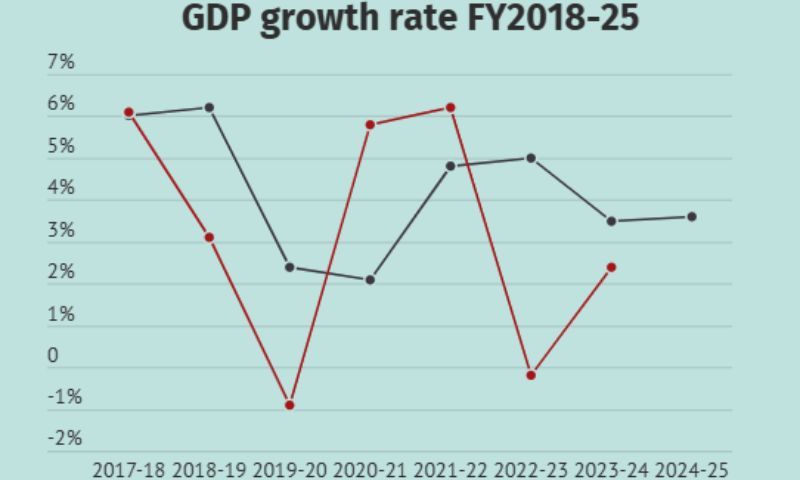
While outlining the fiscal budget 2024-25 points, Pakistan’s Finance Minister Muhammad Aurangzeb has said that the gross domestic project (GDP) growth target for the fiscal year 2024-25 is fixed at 3.6 percent, whereas the inflation rate is expected to remain 12 percent.
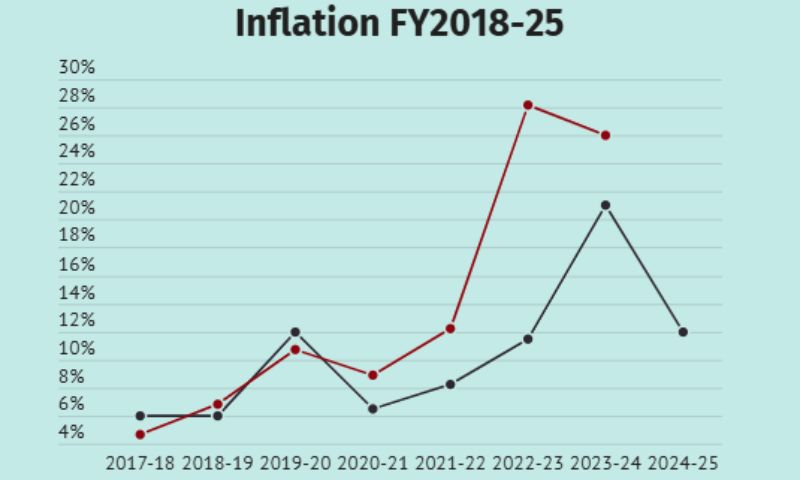
Muhammad Aurangzeb said that the budget deficit to GDP during the period under review is estimated at 6.9 percent, whereas the primary surplus during the review period is projected at 1.0 percent of the GDP.
The minister said that the Revenue collection of the Federal Board of Revenue is estimated to be Rs12,970 billion during upcoming fiscal year, adding that tax revenue collection during the current fiscal year grew by 38 percent and the provincial share would be Rs7,438 billion.
He said that the non-tax revenue targets of the federation are fixed at Rs3,587 billion, whereas the net income of the federal government would be Rs9,119 billion.