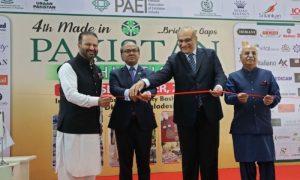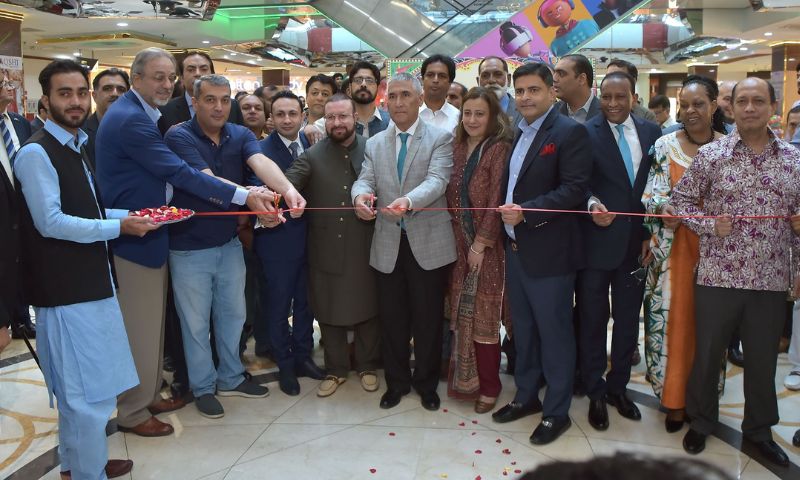
ISLAMABAD: The Handicrafts Association of Pakistan, in collaboration with the Youth Directorate of Khyber-Pakhtunkhwa (KP), organized an exhibition featuring handicrafts from various regions of KP at the prestigious Centaurus Mall in Islamabad.
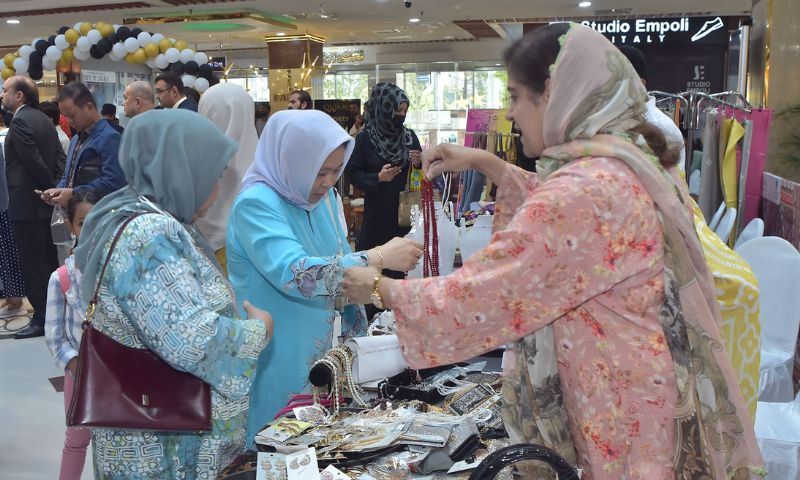
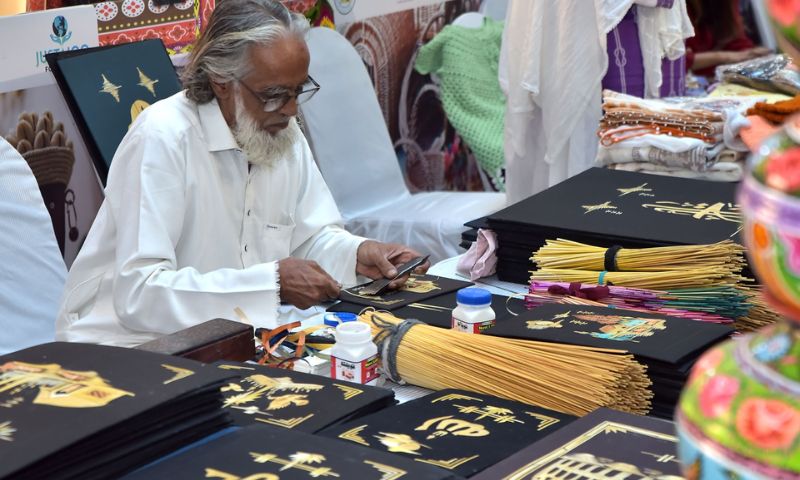
The event provided a platform for young artisans across Khyber Pakhtunkhwa to display locally sourced and crafted products, including straw baskets, truck art, leather goods, gemstones, and locally embroidered suits.
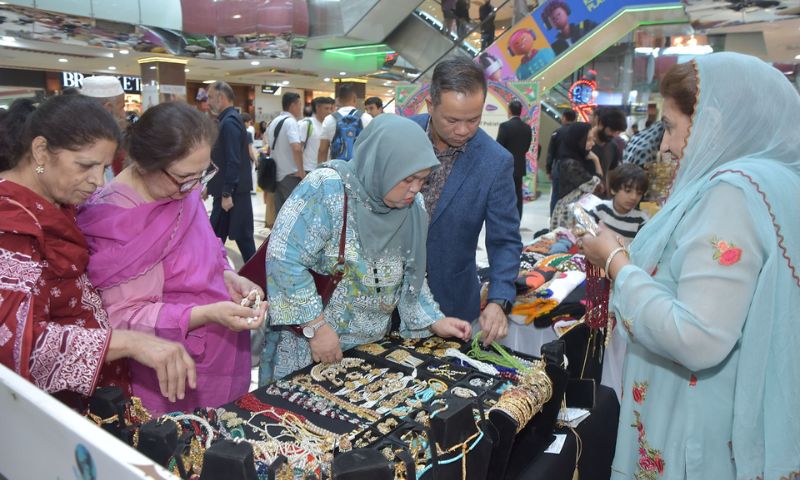
This exhibition offered these artisans an opportunity to attract buyers from the federal capital and gain exposure, with the possibility of receiving orders from international firms, as trade attaches from the diplomatic enclave also attended.
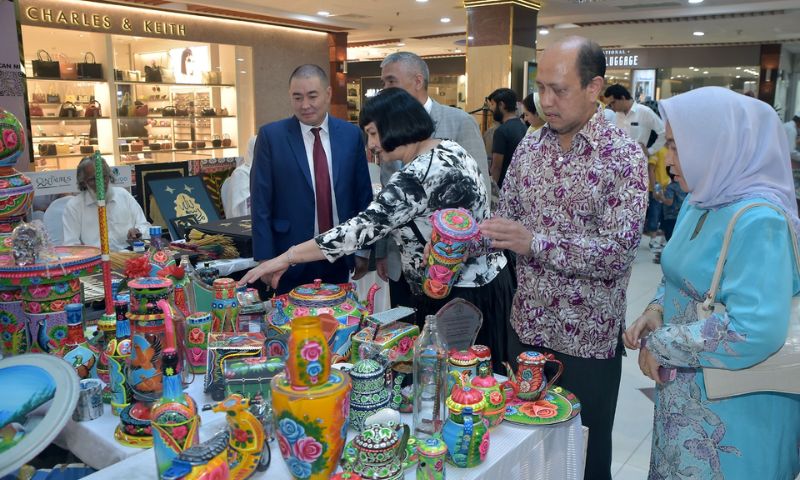
Prominent figures in attendance included Sardar Ilyas Khan, CEO of Centaurus; Ahsan Bakhtarwee, President of the Islamabad Chamber of Commerce & Industry; and Engr Said Khan, Chairperson of KPBOIT (Khyber Pakhtunkhwa Board of Investment & Trade). Additionally, many diplomats and dignitaries from various sectors were present.
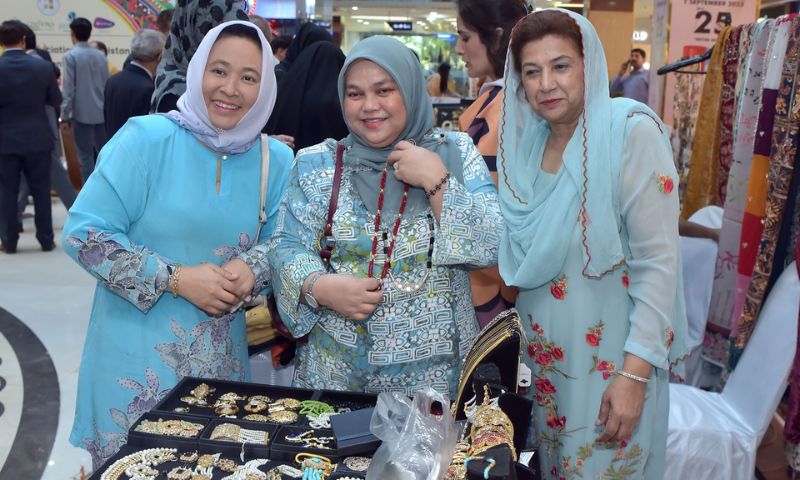
Chairperson of the Handicrafts Association of Pakistan, Maryam Iqbal, highlighted the potential of the handicrafts industry, emphasizing that it has often been overlooked. She stressed the importance of encouraging artisans by providing opportunities and financial support to showcase their art and products in exhibitions.
She said that a thriving handicrafts sector in Pakistan has the potential to make a significant contribution to the country’s GDP, create investment opportunities, boost foreign exchange earnings, preserve cultural heritage, promote entrepreneurial development, and alleviate poverty.
Pakistan has skilled artisans who create elegant handicrafts with strong global demand. However, ensuring that production is carried out systematically and cost-effectively is crucial. Various regions in Pakistan specialize in handicrafts, such as salt items, leatherwork, embroidery, pottery, woodcraft, and more, she added.
To harness this potential fully, it is essential to concentrate resources in handicraft production hubs across the country, including Southern Punjab, Karachi, Balochistan, and various parts of KP.
A key strategy is to distribute exporting hubs evenly to promote and support local artisans. This can be achieved through well-researched proposals and a systematic plan for developing the handicrafts sector. Provincial governments should lead in promoting the handicraft industry and related products.
Maryam suggested that the institutions such as the Trade Development Authority of Pakistan (TDAP), Punjab Small Industries Corporation (PSIC), Technical Education and Vocational Training Authority (TEVTA), Export Promotion Bureau (EPB) of Pakistan, and Small and Medium Enterprises Development Authority (SMEDA) should play a pivotal role in recognizing and amplifying their efforts in this regard. —Ahmed Mukhtar/Shahid Qureshi