


Key points
- India’s Russian oil imports surged to a 35–40pc share
- Trump imposed tariffs citing India-Russia energy ties
- India buys discounted Russian crude amid global sanctions
- India defends strategy as prioritising national economic interest
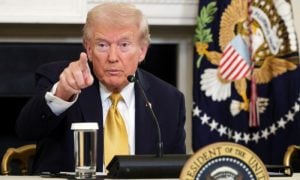
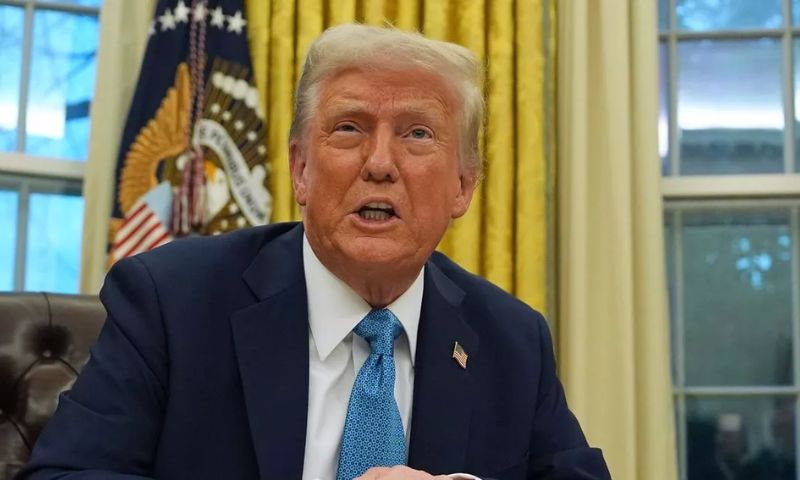
ISLAMABAD: India’s reliance on Russian crude oil has increased significantly, rising from 0.2 per cent before the Russia-Ukraine conflict to around 35–40 per cent of its total imports. This surge has drawn renewed global attention, especially following US President Donald Trump’s announcement of a 25 per cent tariff, plus an additional penalty, on all Indian exports to the US.
Donald Trump has just imposed a 25% tariff on India. He has also imposed a penalty.
⦁ Modi campaigns for Trump.
⦁ Gives out slogans like ‘Abki Baar Trump Sarkar’.
⦁ Hugs him like a long-lost brother.In return, Trump goes on to impose such harsh tariff on India.
It is… pic.twitter.com/EOq0i03mf7
— Congress (@INCIndia) July 30, 2025
Before Russia invaded Ukraine in February 2022, India primarily sourced its oil from Middle Eastern countries. However, the conflict reshaped global oil markets. As Western nations reduced their purchases from Russia, India – the world’s third-largest crude importer after China and the US – began buying discounted Russian oil, according to The Economic Times.
Trump imposes 25% tariff, ‘penalty’ on India over Russia ties
➡️ https://t.co/mX5WJrXpVT pic.twitter.com/COtxs2RYzI— FRANCE 24 (@FRANCE24) July 30, 2025
Russia’s share in India’s imports rose rapidly. In June 2022, Russia became India’s top supplier, delivering 1.12 million barrels per day (bpd) compared to Iraq’s 993,000 bpd. At its peak in May 2023, Russian oil shipments reached 2.15 million barrels per day (bpd). Even at its lowest, imports remained above 1.4 million bpd – higher than pre-war Iraqi levels.
India’s oil imports
Currently, Russia supplies around 36 per cent of India’s oil imports, with volumes averaging 1.78 million bpd this month. In comparison, imports from Iraq and Saudi Arabia stand at 900,000 bpd and 702,000 bpd, respectively, according to data from Kpler, a global energy analytics firm.
Trump cited India’s continued oil and arms trade with Russia as justification for the new tariffs, stating, “India is one of Russia’s largest energy and defence buyers, even as the world demands an end to the war in Ukraine.”
#BREAKING | After Trump’s Tariff ‘Bombshell,’ EAM S Jaishankar meets Union Minister Piyush Goyal
Russia’s share in India’s oil imports:
2021-22: 2.1%
2024-25: 35.1%@pragyakaushika shares more details with @DEKAMEGHNA pic.twitter.com/THhFPIudaJ
— TIMES NOW (@TimesNow) July 30, 2025
After Western sanctions were placed on Russia, Moscow offered deep discounts on its flagship Urals crude to attract buyers like India. At one point, Urals crude was selling for $40 less per barrel than Brent, the global benchmark. Although the discount has narrowed to under $3 recently, Russian oil remains appealing.
To restrict Russian revenues while maintaining a stable global supply, the G7 introduced a $60 per barrel price cap in December 2022. Under this, European companies could ship and insure Russian oil if sold below the cap.
Cheap Russian oil
India’s Imports from Russia of Crude Oil were US$52.73 billion during 2024, according to the United Nations COMTRADE database on international trade. India Imports from Russia of Crude Oil – data, historical chart and statistics – was last updated on July of 2025.
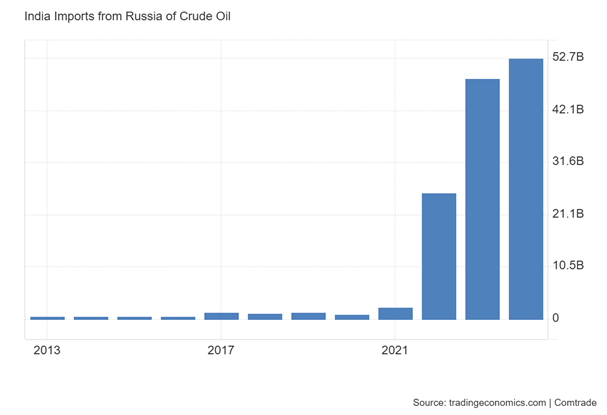
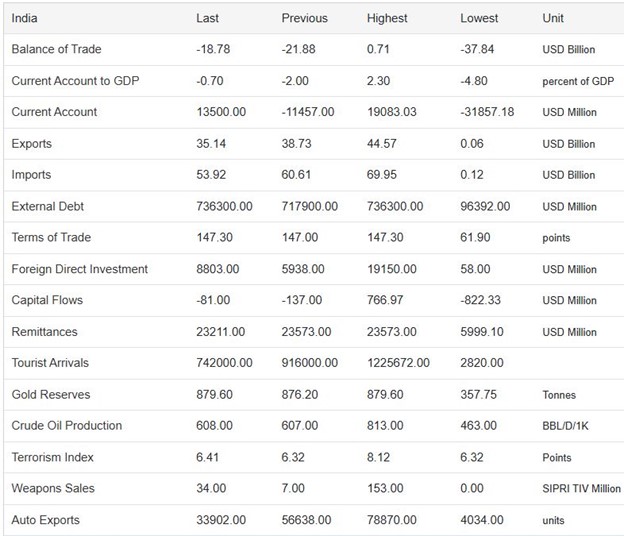
Source: tradingeconomics.com
This month, the EU lowered the cap to $47.60, aiming to keep it 15 per cent below market value, and introduced a system for regular updates.
Cheap Russian oil not only helped India meet its domestic energy needs but also boosted refining profits. Indian refineries, particularly Reliance Industries’ Jamnagar facility – the world’s largest – and Nayara Energy’s Vadinar refinery, processed the crude into petrol and diesel.
These refined products were then exported, even to Western nations that had banned direct purchases of Russian crude.
“Laundromat” countries
A report by the Centre for Research on Energy and Clean Air referred to India, China, and Turkey as “laundromat” countries — buying Russian oil, refining it, and selling it to nations avoiding direct Russian trade. In response, the EU has now banned the import of refined fuels produced from Russian crude.
Despite criticism, India has maintained a neutral diplomatic stance on the Ukraine war. Oil Minister Hardeep Singh Puri has argued that India’s purchases helped prevent global oil prices from skyrocketing by maintaining market balance.
External Affairs Minister S Jaishankar has defended the strategy, saying India simply seeks the best deals to serve its national interest: “If our policy has been to prioritise the Indian public’s interests, I plead guilty.”