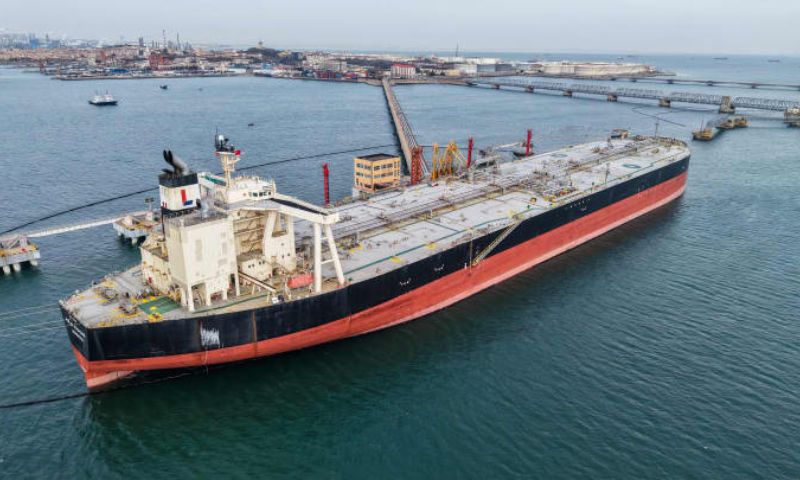



ISLAMABAD: China is expected to cope more easily than many countries with oil prices surging past $100 per barrel following rising tensions in the Middle East and the ongoing Iran conflict. Analysts say Beijing’s large strategic crude reserves, diversification of energy sources and rapid expansion of renewable energy have reduced the country’s vulnerability to global oil disruptions.
China currently holds an estimated 1.2 billion barrels of crude oil reserves — enough to cover roughly three to four months of demand — allowing it to delay the economic impact of price shocks while adjusting supply routes and consumption patterns.
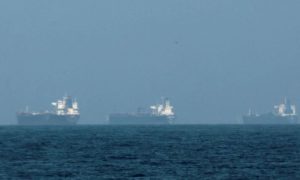
According to CNBC, China has spent the past two decades gradually reducing its reliance on vulnerable maritime oil routes such as the Strait of Hormuz, through which about 31% of the world’s seaborne oil passes. New overland pipelines and expanded energy partnerships have lowered China’s dependence on the strait to roughly 40–50% of its seaborne oil imports.
Despite being the world’s largest crude oil importer, oil shipments through the route account for only about 6.6% of China’s total energy consumption.
Key role
China’s evolving energy strategy also plays a key role in cushioning the impact of volatile oil prices. The country has significantly expanded renewable energy capacity and promoted electric vehicles as part of a broader shift away from fossil fuels. Non-fossil energy sources accounted for 21.7% of China’s total energy consumption in 2025, and Beijing aims to raise that figure to 25% by 2030.
The rapid adoption of electric vehicles — now representing more than half of new passenger car sales — has already displaced more than one million barrels per day of oil demand.
Nevertheless, fossil fuels still remain central to China’s energy system. Coal continues to dominate electricity generation, and China remains the world’s largest producer and consumer of the fuel.
Experts say geopolitical disruptions could still affect China, particularly if oil shipments from the Middle East are severely curtailed. However, the country’s growing renewable sector and expanding strategic reserves are expected to provide a buffer against prolonged global oil shocks.