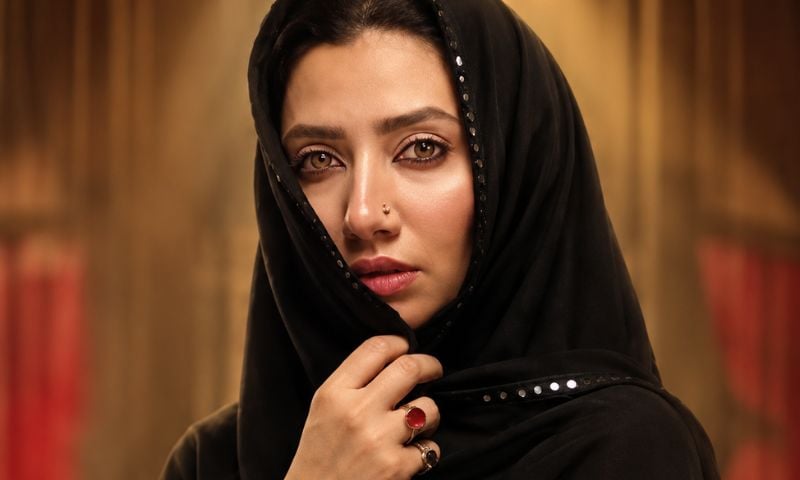
ISLAMABAD: At 42, Mahira Khan remains one of Pakistan’s most recognisable leading actresses, continuing to take on prominent roles traditionally associated with younger women as the country’s entertainment industry gradually moves beyond rigid age expectations for female stars.
Born on December 21, 1984, in Karachi, Mahira Khan began her career as a television host before becoming one of Pakistan’s most successful actresses. Her breakthrough came with the 2011 television drama Humsafar, in which she starred opposite Fawad Khan.
Her subsequent film career included Bol, Bin Roye, Superstar and The Legend of Maula Jatt, while her appearance opposite Shah Rukh Khan in the 2017 Bollywood film Raees gave her an international profile.
Star Power Matters
One of the main reasons Mahira continues to receive leading roles is her established audience base.
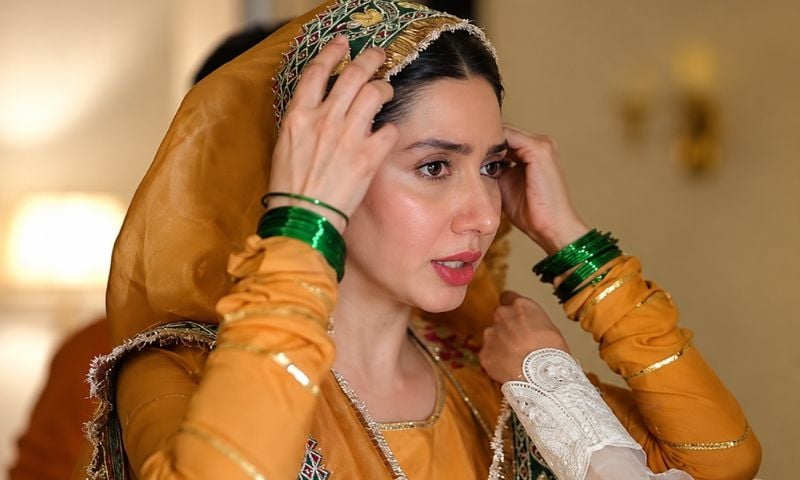
For producers and broadcasters, an established star brings familiarity and audience interest that can be difficult to replicate with a younger performer. Mahira’s name has remained closely associated with major television and film productions, allowing her to continue occupying the centre of high-profile projects.
Her role in The Legend of Maula Jatt, which became the highest-grossing Pakistani film, further reinforced her position as one of the country’s major commercial stars.
Changing Female Roles
The nature of leading female characters is also changing.
Pakistani dramas and films increasingly feature stories involving marriage, motherhood, professional life, family relationships and personal conflicts rather than focusing exclusively on teenage or university-age romance.
That shift creates space for actresses in their late 30s and 40s to remain central characters rather than being moved automatically into supporting or mother roles.
For Mahira, this means age does not necessarily determine whether she can play the central character. The character’s circumstances, appearance, personality and storyline can matter more than the actress’s actual age.
Beyond Age
Mahira’s continued popularity also reflects a broader change in how female stardom is viewed.
In earlier entertainment industries, actresses often faced a sharper decline in opportunities as they grew older, particularly when compared with male actors. The growing visibility of established actresses in major productions, however, has challenged that convention.
Internationally, actresses such as Angelina Jolie, Charlize Theron, Kareena Kapoor and Tabu have continued to headline significant productions beyond their 30s and into their 40s and beyond.
Pakistan’s entertainment industry is part of the same broader shift, although opportunities and expectations for actresses continue to vary from project to project.
Brand And Influence
Mahira’s appeal also extends beyond acting.
Her work with major international brands and her role as a UNICEF Goodwill Ambassador have expanded her public profile beyond television and cinema.
With a large social-media following, she has become a recognisable Pakistani celebrity whose influence extends into fashion, advertising and social causes.
That visibility can reinforce her commercial value when producers seek performers who can attract attention both on screen and away from it.
The New Leading Lady
At 42, Mahira Khan’s continued presence in leading roles illustrates a changing definition of the female protagonist in Pakistani entertainment.
Rather than automatically becoming secondary to younger actresses, established performers can continue playing central characters when their popularity, experience and the demands of the story support those roles.
For Mahira, the question is therefore less about why she is still playing a “young actress” and more about why age alone is increasingly becoming a less decisive factor in determining who can carry a major Pakistani production.