


Afghanistan’s most pressing challenge today is no longer military in nature. It is political and social. As the Taliban consolidate authority across the country, the central question they face is how to govern a society that is ethnically, linguistically, and culturally diverse.
Non-Pashtun communities, including Tajiks, Hazaras, Uzbeks, and others, constitute a significant portion of the population, and their relationship with the state will play a decisive role in determining Afghanistan’s long-term stability.
This debate is often misunderstood or oversimplified. It is frequently framed either as resistance to Taliban rule or as an attempt to impose external political models on Afghanistan. In reality, the expectations of non-Pashtun Afghans are far more restrained and pragmatic.
They are not calling for regime change, nor are they demanding Western-style democracy. What they seek is inclusion within the existing political framework and assurance that they are treated as equal stakeholders in the Afghan state.
One of the most consistent expectations among non-Pashtun communities is meaningful participation in governance. Since 2021, political authority has remained concentrated within a narrow leadership structure, reinforcing perceptions of centralization.
Non-Pashtuns do not necessarily seek dominance in state institutions, but they do expect representation that reflects Afghanistan’s social composition. Participation in civilian administration, provincial governance, and security institutions is widely seen as essential for building trust between the state and society.
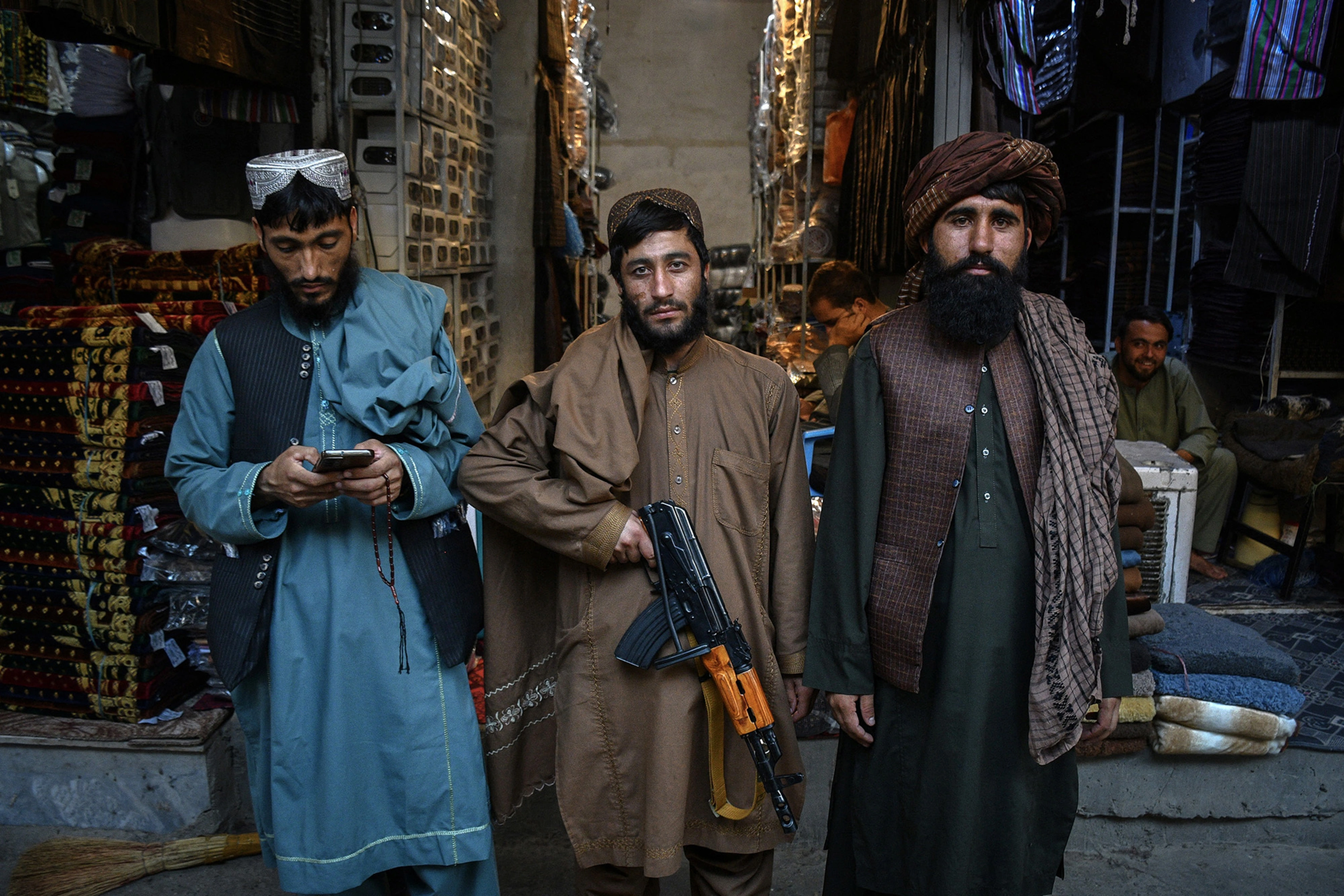
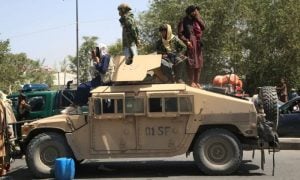
Security remains another central concern. While overall levels of violence in Afghanistan have declined, insecurity has not disappeared evenly across regions and communities. Some groups continue to feel more exposed to militant violence, particularly from transnational actors such as ISIS-K (Islamic State Khorasan Province).
These concerns are generally framed not in sectarian or ideological terms, but as questions of state capacity and equal protection. Confidence in the state depends on the perception that security is provided impartially and consistently.
Cultural and linguistic recognition also features prominently in non-Pashtun expectations. Afghanistan has historically functioned as a multilingual society, with both Pashto and Dari playing important roles in administration and public life. Local customs and regional identities have long coexisted within the Afghan state.
Many non-Pashtuns view respect for this diversity not as a challenge to national unity, but as one of its essential foundations. Attempts at cultural homogenization risk generating unnecessary friction in an already fragile political environment.
Economic inclusion forms another important dimension of these expectations. Several non-Pashtun regions, particularly in northern and central Afghanistan, possess considerable economic potential due to their geographic location and access to regional trade routes.
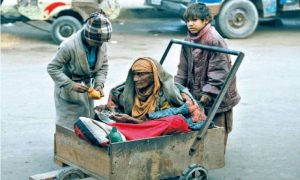
However, decades of underdevelopment have contributed to persistent grievances. Fair access to employment opportunities, reconstruction projects, and development resources is widely viewed as critical for long-term stability. Economic marginalization, if left unaddressed, can translate into political dissatisfaction.
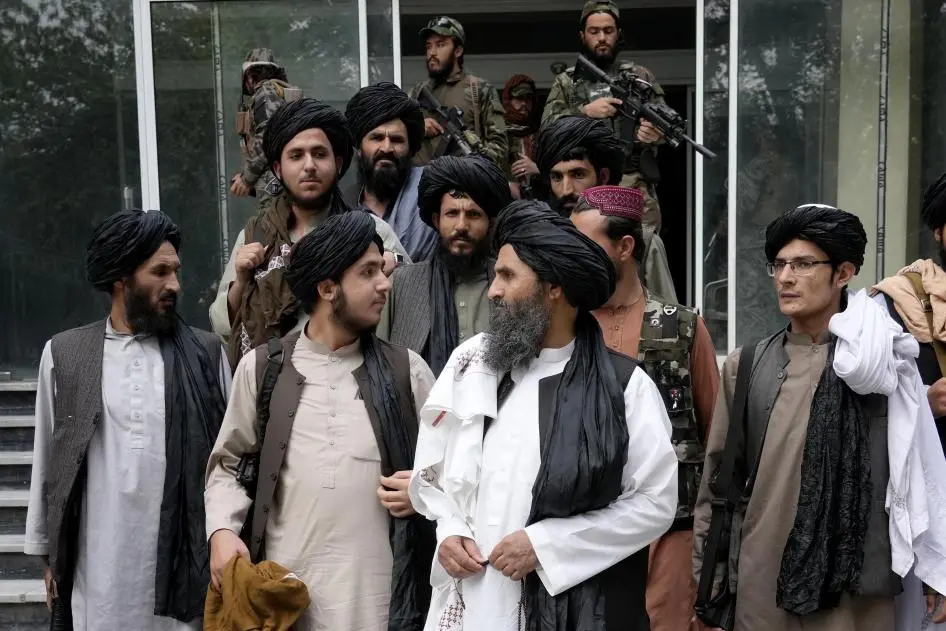
For the Taliban, these issues are closely linked to the transition from an armed movement to a governing authority. Consolidating control is only the first step. Sustaining it requires legitimacy that extends beyond coercive power. Inclusivity does not require adopting foreign political systems.
An Afghan Islamic governance framework can still incorporate consultation, administrative decentralization, and merit-based appointments while remaining consistent with local values and traditions.
For Pakistan and the wider region, these dynamics are neither distant nor abstract. Instability in Afghanistan has repeatedly produced regional consequences, including militancy, refugee movements, and border insecurity.
A fragmented Afghan society increases the likelihood of external interference and proxy competition, outcomes that undermine regional stability. From a Pakistani perspective, an Afghanistan in which all major communities see their interests represented within the state is more likely to remain stable and focused on internal consolidation.
Non-Pashtun Afghans are not seeking separation or confrontation. Their expectations center on dignity, security, and participation within a shared political order. Addressing these concerns would not weaken the Afghan state. On the contrary, it would strengthen its foundations. Afghanistan’s long-term stability will depend less on who holds power and more on how that power is exercised across a diverse and complex society.