


WASHINGTON/DUBAI: The war between the United States, Israel, and Iran continued to widen on Wednesday, disrupting regional air travel, prompting embassy closures, and drawing global diplomatic concern as strikes, missile barrages, and drone attacks rippled across the Middle East.
The conflict, triggered by coordinated US-Israel air strikes on Iran, has now spread into Gulf states, Lebanon, and the UAE, with civilian and military targets hit and diplomatic missions increasingly under threat.
Regional airspace remains volatile, airlines have cancelled flights, and Washington has warned American citizens to leave the area immediately amid mounting insecurity.
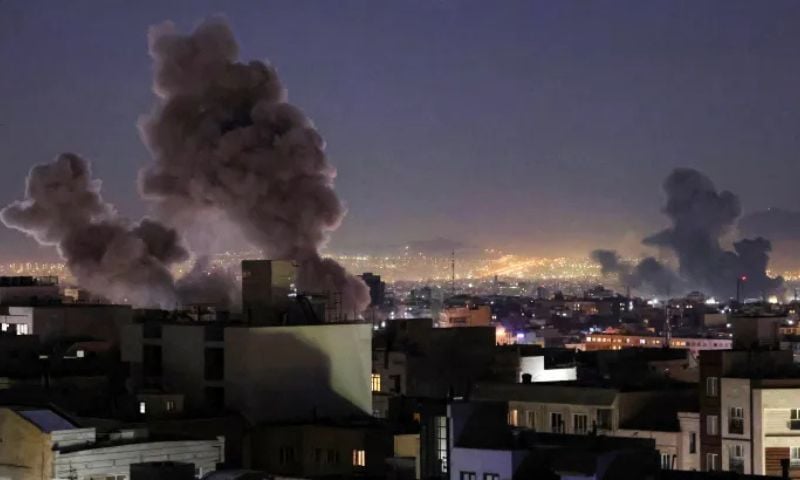
Israel and the US Intensify Strikes on Iran
Israel’s military said it launched a new “broad wave” of strikes inside Iran targeting missile launch sites, air defence systems, and key infrastructure, after Tehran fired barrages of missiles toward Israeli territory.
Air raid sirens sounded across parts of Israel as defences intercepted incoming fire, with dozens of civilians injured in the Tel Aviv area.
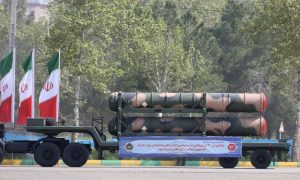
Iran has responded with sustained missile and drone attacks against US bases and allied territories across the region.
The US military says it has now hit nearly 2,000 targets in Iran, expanding beyond earlier reports of 1,250 targets struck.
Washington’s campaign has included command centres, missile sites, anti-ship batteries, and other strategic positions. The conflict’s intensity has driven concerns of a prolonged and deeper engagement.
Embassies Shut and Evacuations Underway
The United States has ordered non-emergency diplomatic staff and families to leave several Middle Eastern countries, including the UAE, Qatar, Kuwait, Bahrain, Iraq, and Jordan, as part of a broad security drawdown.
Embassies in Saudi Arabia, Kuwait, and Lebanon have been closed to the public, and consular services are significantly scaled back, straining normal diplomatic operations.
Washington has also urged US citizens to “DEPART NOW” from 14 countries across the Middle East, including Iran, Iraq, Israel, Jordan, Kuwait, Saudi Arabia, and the UAE. Efforts to arrange charter and military flights are ongoing amid widespread flight cancellations and airspace closures that have stranded thousands of travellers.
UAE and Gulf States Face Attacks
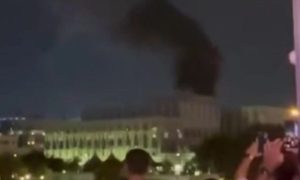
A drone struck the parking area next to the United States Consulate General, Dubai, causing a fire that was quickly contained with no reported injuries, while Qatar and Bahrain intercepted Iranian-launched missiles.
The UAE has reported over 1,000 attacks since the conflict began. Gulf states are reinforcing defences and monitoring threats to critical infrastructure and energy facilities.
Iran’s Revolutionary Guards have warned about continued operations, including threatening to target shipping in the strategic Strait of Hormuz — a vital artery for global oil trade — raising fears of broader economic disruption.
Lebanon, Energy Markets and Global Reactions
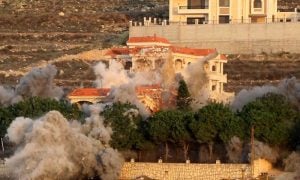
Israel has also carried out strikes against Hezbollah targets in Beirut in response to rocket and drone attacks, deepening the conflict’s reach into Lebanon.
Civilian casualties have been reported in Lebanon and elsewhere, adding to tensions and displacement concerns.
Globally, reactions have been mixed, with some nations condemning the conflict’s expansion and others expressing alarm over potential escalation into a broader war.
Energy markets have already reacted, with oil and gas prices climbing sharply as shipping routes are disrupted and supply risks grow.