


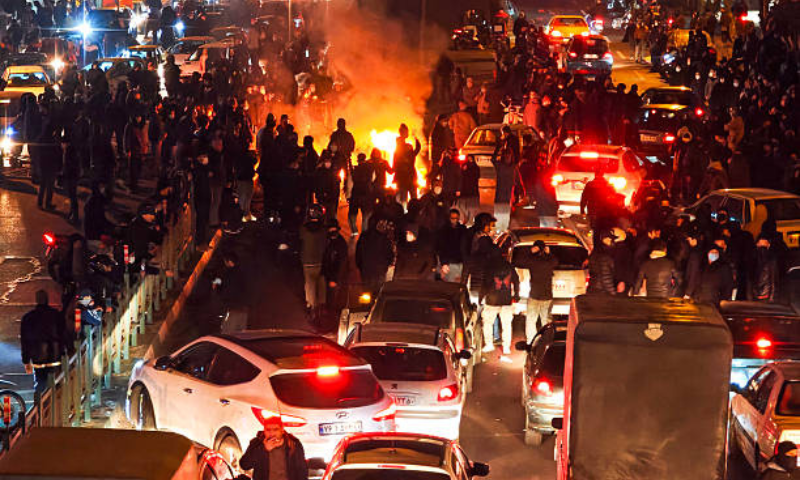
TEHRAN: The United States has urged its citizens to leave Iran immediately, citing escalating protests, widespread internet disruptions and growing uncertainty around security conditions, as unrest enters a third week across the country.
The advisory comes as protests continue in several Iranian cities, driven largely by economic grievances amid inflation, a weakening currency and rising costs of basic goods. Independent verification of developments on the ground remains difficult due to extensive internet restrictions and limited access for journalists.
There is no independently confirmed information regarding casualties, and official figures have not been verified by neutral observers.
In the security alert, the US State Department and the virtual US Embassy for Iran advised American nationals to depart “now” and, if it is safe to do so, to consider leaving Iran by land through Armenia or Türkiye. The advisory warned that continued internet outages, transportation disruptions and flight cancellations could further complicate travel.
The embassy said US citizens should plan alternative means of communication and have a departure plan that does not rely on assistance from the US government. It added that those unable to leave should remain indoors, avoid demonstrations and ensure they have adequate supplies of food, water and essential medicines.
The alert also highlighted the particular risks faced by US-Iranian dual nationals, noting that Iran does not recognise dual citizenship and treats such individuals solely as Iranian citizens. It warned that displaying a US passport or demonstrating links to the United States could lead to questioning, arrest or detention. The US government said it could not guarantee the safety of those choosing to depart under current conditions.
US President Donald Trump has publicly expressed support for protesters, calling on them to continue demonstrations and suggesting that assistance would be forthcoming, without specifying its nature. In recent statements on social media, Trump also warned Iranian officials of consequences if violence against protesters continues and announced the suspension of meetings with Iranian officials.
At the same time, the White House has said that channels for diplomacy remain open. Press Secretary Karoline Leavitt said Trump has an interest in exploring diplomatic options, while maintaining that he is prepared to use force if protesters are attacked. US media have reported that Trump is expected to meet with senior national security officials to discuss policy options.
Iranian officials have strongly rejected US statements, accusing Washington and Israel of fuelling unrest. Ali Larijani, secretary of Iran’s Supreme National Security Council, said US and Israeli leaders bear responsibility for violence against Iranians. Tehran has repeatedly characterised parts of the unrest as being influenced by external actors.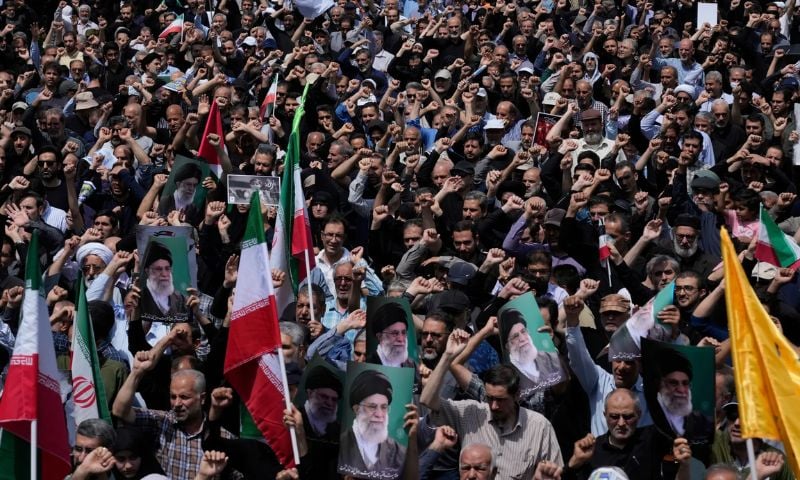
Regional and international reactions have emphasised caution. Türkiye has warned that any foreign intervention in Iran would deepen instability in the country and the wider region, urging that Iran’s internal challenges be addressed through dialogue. China has also called for restraint, opposing foreign “interference” and urging all parties to prioritise regional stability.
Iran’s Foreign Minister Abbas Araghchi has said the country is prepared for both negotiations and conflict, stressing that Tehran is not seeking war but is ready to defend itself. Iranian officials have confirmed that indirect communication channels with the United States remain open through intermediaries, despite the absence of formal diplomatic relations.
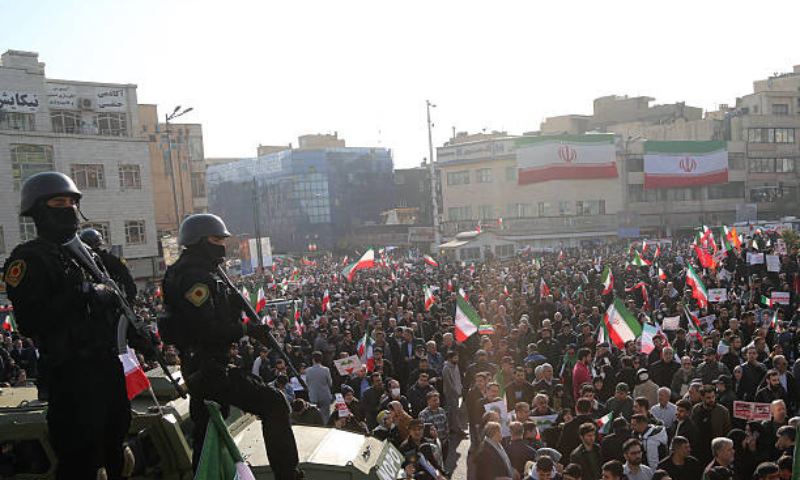
Meanwhile, Iran’s government has organised pro-government rallies in several cities, including Tehran, where demonstrators gathered near the University of Tehran, waving national flags and condemning violence in public spaces. Similar gatherings were reported in other provinces, reflecting the divided public response to ongoing events.
In a related development, Pakistan’s ambassador to Iran, Mudassir Tipu, announced that Iranian universities have postponed examinations for one month and authorised international students to return home. Pakistani authorities said repatriation efforts are underway, with dozens of students already returning, and advised nationals in Iran to carry valid travel documents and follow official guidance.
As the situation continues to evolve under restricted information conditions, officials and observers caution that assessments remain provisional. Internet shutdowns, security measures and limited independent access mean that many claims cannot be fully verified, underscoring the uncertainty surrounding developments inside Iran.