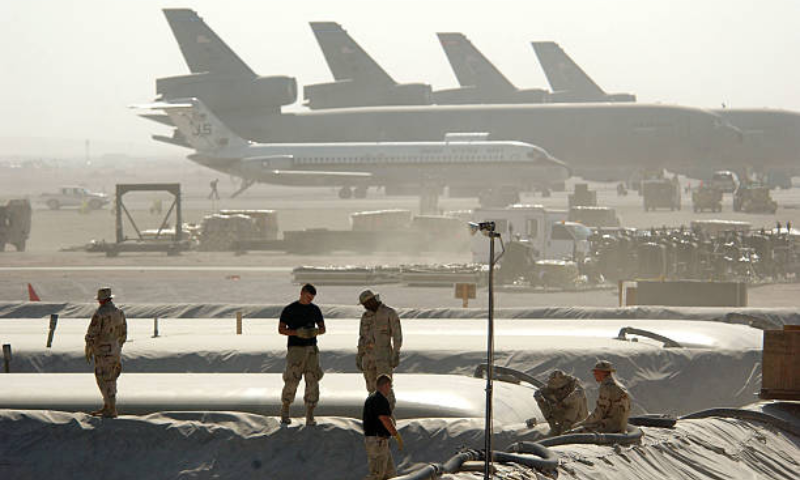



WASHINGTON: The United States and the United Kingdom have begun withdrawing some of their military personnel from Qatar’s Al Udeid air base as a precautionary measure amid rising tensions with Iran, while President Donald Trump weighs whether to take action against Tehran.
Officials told CBS, the BBC’s US partner, that the partial withdrawal of American personnel was a “precautionary measure”. The BBC also understands that some UK military staff are being withdrawn from the base.
A statement from the Qatari government said the measures reportedly taken by the US were “in response to the current regional tensions”.
At the same time, the UK Foreign Office announced that it has temporarily closed the British embassy in Tehran, which will now operate remotely. A government spokesperson said the decision was taken as a precaution in light of the security situation.
The US embassy in Doha has advised its personnel to exercise increased caution and limit non-essential travel to the Al-Udeid air base, the largest US military installation in the Middle East.
Commenting on the removal of military personnel, the Qatari government said it would continue to take “all necessary measures to safeguard the security and safety of its citizens and residents as a top priority”, including steps to protect critical infrastructure and military facilities.
A spokesperson for the UK Ministry of Defence declined to comment on reports that British personnel were being withdrawn, citing operational security.
Al-Udeid air base hosts around 10,000 US personnel and about 100 UK staff, though it remains unclear how many will be leaving. Reuters, citing diplomats, reported that while some personnel had been told to depart, there was no sign of a large-scale evacuation similar to movements seen ahead of an Iranian strike last year.
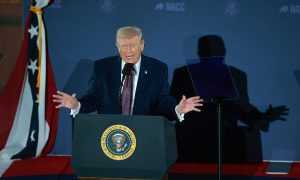
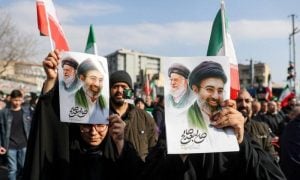
Earlier this week, President Trump warned that the United States would take “very strong action” if Iran carried out executions of protesters. Iran has said it would retaliate if attacked by the US.
On Wednesday, Trump said his administration had been informed “on good authority” that killings in Iran were subsiding and that there was “no plan for executions”. When pressed on whether military action was now off the table, he replied: “We’re going to watch and see what the process is.”
Iran’s Foreign Minister Abbas Araghchi warned Trump against military action, telling Fox News: “Do not repeat the same mistake that you did in June.” He added that attempting the same approach again would lead to the same outcome. Araghchi also denied reports that a 26-year-old man was facing imminent execution, saying there would be “no hanging today or tomorrow”.
Beyond Qatar and Iran, security concerns have spread across the region. Italy and Poland have urged their citizens to leave Iran, while Germany has warned airlines against flying into Tehran due to the risk of “escalating conflict and anti-aviation weaponry”.
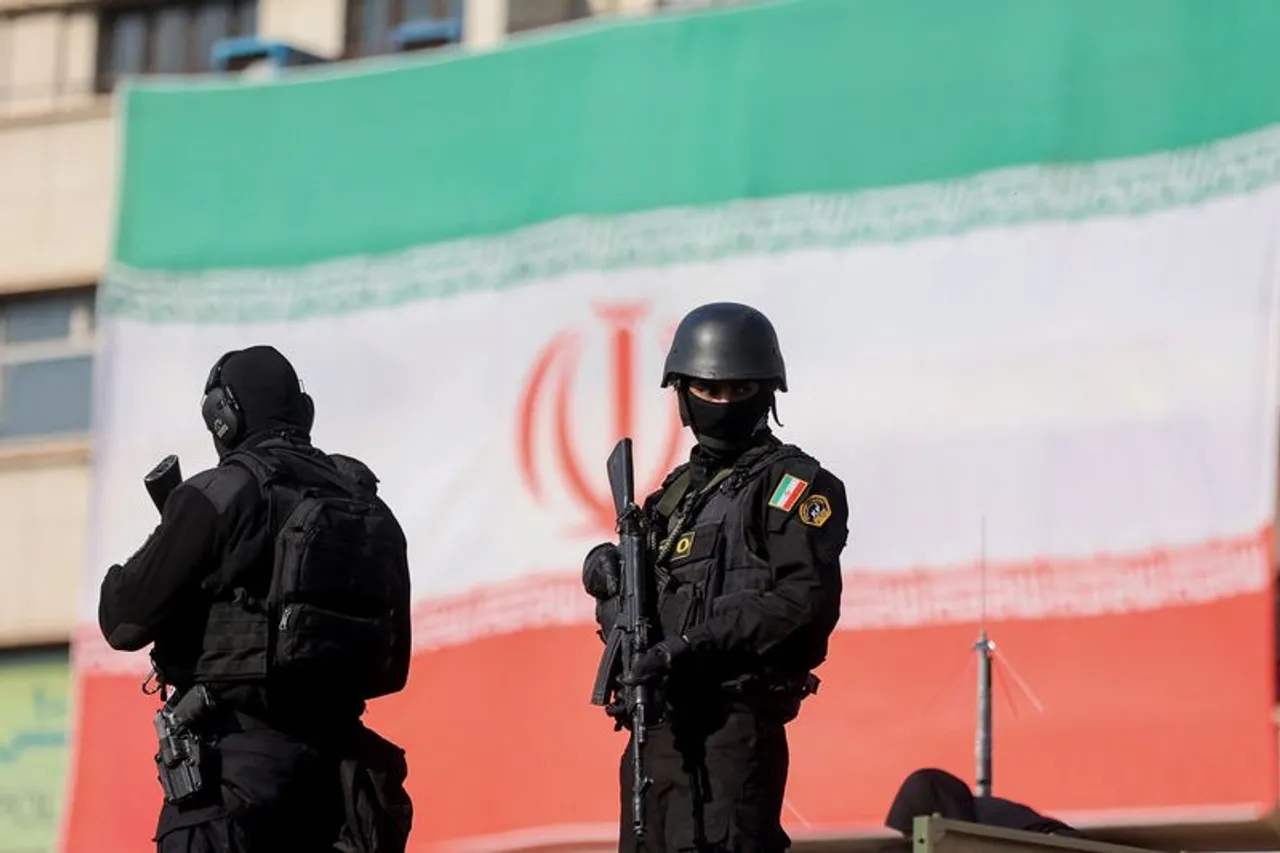
Iranian officials have accused the US of trying to “manufacture a pretext for military intervention”. The speaker of Iran’s parliament warned that if the US attacked, American and Israeli military and shipping targets in the region would be considered legitimate.