


ISLAMABAD: The United States’ military operation capturing Venezuelan President Nicolás Maduro has sent shockwaves across the world, exposing sharp divisions over state sovereignty, international law, and the limits of unilateral force.
Israel is the only country that has completly supported the U.S. action, while Italian Prime Minister Giorgia Meloni and a few other leaders expressed cautious approval. Across the rest of the world, the majority of governments and international organizations have either opposed or condemned the operation and stressed diplomacy, peaceful resolution, and adherence to international law, highlighting the growing tension between power politics and global norms in a rapidly polarizing world.
Global Split and Limited Support
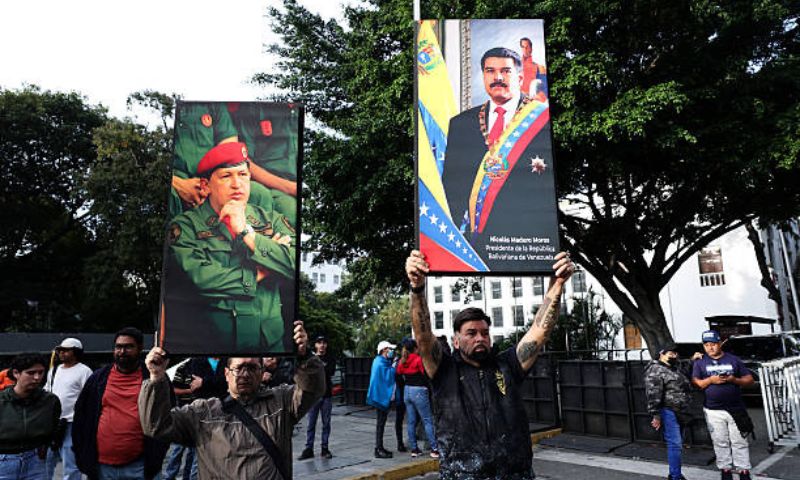
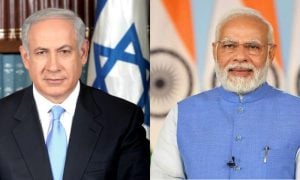
Israel publicly welcomed the operation, with Prime Minister Benjamin Netanyahu congratulating President Donald Trump for what he described as “bold and historic leadership on behalf of freedom and justice.” Croatia also issued a statement backing the move, framing it as a justified response to Maduro’s disputed mandate.
In Europe, a small number of right-wing leaders voiced approval. Italian Prime Minister Giorgia Meloni defended the U.S. action as legitimate and defensive, though her position did not reflect the broader stance of the European Union.
Within the United States, Republican leaders praised the capture of Maduro as a strategic blow against narcotrafficking and authoritarian governance. However, senior Democrats expressed concern over the legality of the operation and the risk of escalation. Senate Minority Leader Chuck Schumer said that while Maduro was an illegitimate dictator, launching military action without congressional authorization was “reckless.”
In Latin America, Argentine President Javier Milei, a close ideological ally of Trump, hailed the development as a victory for freedom, posting messages such as “freedom moves forward” and “long live freedom.” Conservative leaders in Ecuador and parts of Chile similarly portrayed the action as a turning point against leftist movements associated with Venezuela’s ruling elite.
Concerned and Cautious Reactions
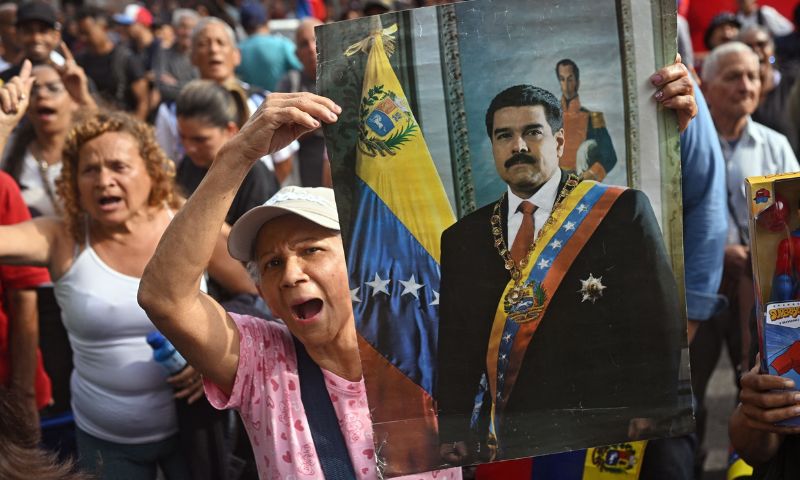
A significant group of countries and international organizations stopped short of outright condemnation but expressed deep concern, calling for restraint, de-escalation and respect for international law.
United Nations Secretary-General António Guterres said he was “deeply alarmed” by the strikes and warned that the apparent disregard for international law set a dangerous precedent. He stressed that Venezuela’s crisis must be resolved through peaceful dialogue and democratic processes led by Venezuelans themselves.
The European Union urged calm and reiterated that any political transition in Venezuela must respect the UN Charter. EU foreign policy chief Kaja Kallas reaffirmed the bloc’s position that Maduro lacks democratic legitimacy, but insisted that international law must still be upheld.
British Prime Minister Keir Starmer initially said his government would “shed no tears” over the end of Maduro’s rule, while emphasizing that the United Kingdom had not participated in the strikes. He later said London was assessing the legality of the operation and would engage with Washington to support a peaceful transition reflecting the will of the Venezuelan people.
France and Germany echoed similar views. President Emmanuel Macron said any transition must be peaceful, democratic and Venezuelan-led, while German Chancellor Friedrich Merz described the legality of the U.S. action as “complex” and warned against further instability.
Canada called on all parties to respect international law and reaffirmed its support for the Venezuelan people’s democratic aspirations. Several Asian and African states, including the Philippines and South Africa, stressed the importance of a rules-based international order and cautioned that unilateral force undermines global stability.
Condemnations and Strong Reproaches
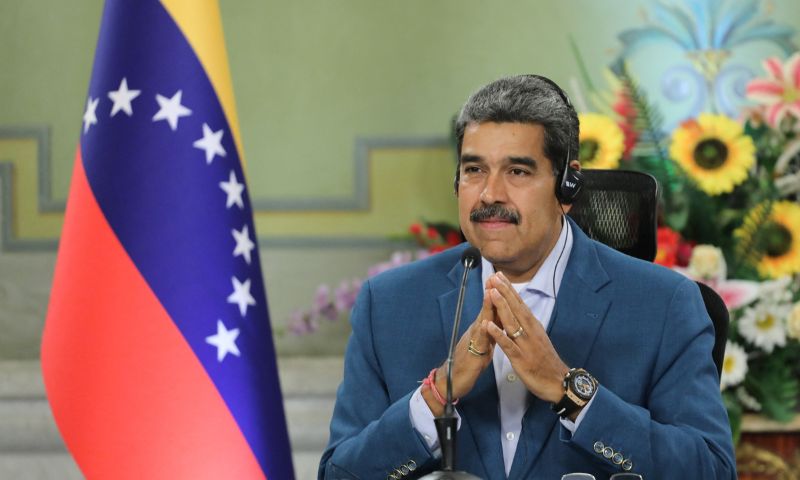
The strongest reactions came from many countries and blocs that denounced the U.S. operation as illegal, a violation of sovereignty and a dangerous precedent.
China said it was “deeply shocked” and strongly condemned the use of force against a sovereign state, warning that no country should act as the world’s “policeman.” Russia described the operation as an “act of armed aggression” and demanded respect for Venezuela’s sovereignty.
Iran called the strikes a “flagrant violation of national sovereignty and territorial integrity,” while Belarus echoed Moscow’s condemnation.
Across Latin America, many governments rejected the U.S. action. Brazil’s President Luiz Inácio Lula da Silva said the operation crossed “an unacceptable line” and warned it could lead to global chaos and instability. Mexico said the action seriously jeopardized regional stability, while Colombia’s President Gustavo Petro described it as an assault on the sovereignty of Latin America.
Chile expressed concern and condemnation, urging a peaceful diplomatic solution, while Cuba labeled the strikes “state terrorism” and called on the international community to oppose U.S. intervention. Uruguay said it rejected military intervention and was monitoring developments with serious concern.
Regional organizations also weighed in. The Caribbean Community (CARICOM) warned that unilateral use of force posed risks to regional peace and stability. Hezbollah, speaking as a non-state actor, condemned the intervention and expressed solidarity with Venezuela.
Pakistan, Asia and Arab World
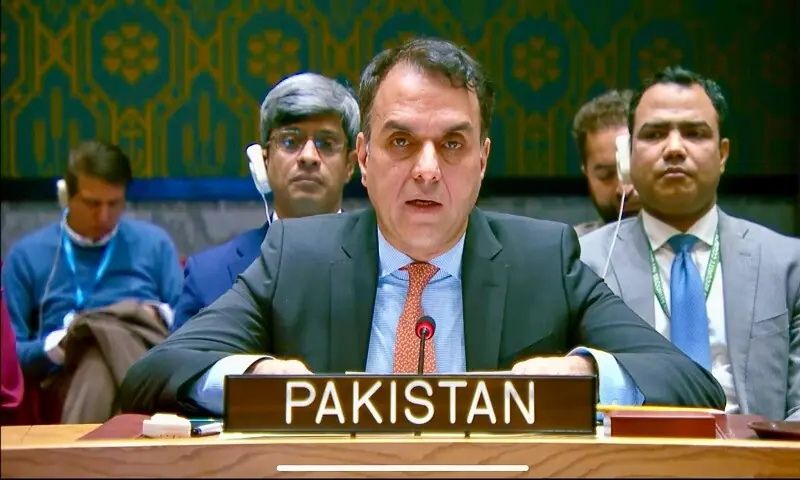
Pakistan adopted a cautious and measured stance, emphasizing the importance of international law and peaceful conflict resolution. Officials underscored respect for state sovereignty and non-interference, while calling for dialogue and diplomacy to address Venezuela’s political crisis.
Islamabad reiterated its long-standing position that disputes between states should be resolved through multilateral mechanisms, particularly under the framework of the United Nations.
India expressed concern over rising tensions and stressed the need for restraint by all parties. New Delhi emphasized respect for sovereignty, territorial integrity and international law, while urging a peaceful, negotiated solution led by Venezuelans themselves.
India also highlighted the importance of regional stability and said it was closely monitoring developments, particularly in light of potential global economic and energy market implications.
Reactions across the Arab world reflected a mix of caution and concern. Several Arab governments called for de-escalation and respect for international law, warning that unilateral military actions risk further destabilizing the global order.
Some states stressed the need to uphold the principles of sovereignty and non-intervention, while others focused on the humanitarian consequences of escalation and urged the international community to prioritize dialogue and political solutions through the United Nations.
International Organizations
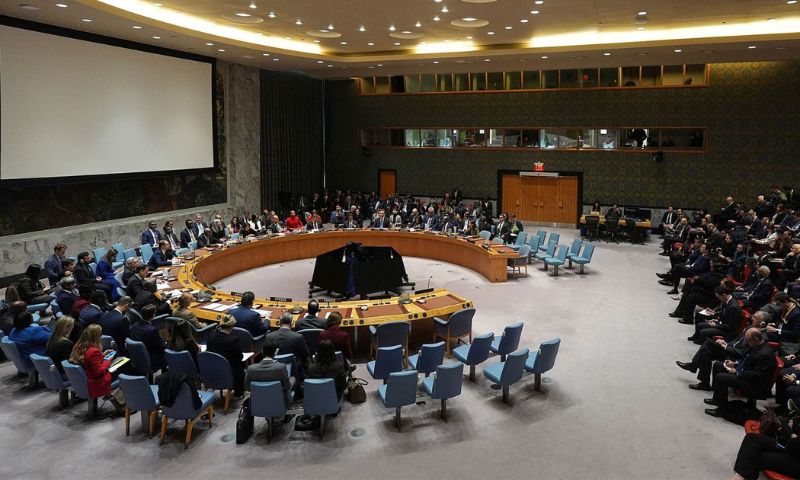
International organizations responded with alarm and caution, warning that the U.S. action risks undermining international law, state sovereignty and regional stability.
The United Nations reiterated its concerns through Secretary-General Guterres, who warned that unilateral force against a sovereign state sets a dangerous precedent and called for restraint, dialogue and a peaceful resolution.
The European Union echoed those concerns, cautioning that external military intervention risks deepening instability rather than resolving Venezuela’s crisis.
CARICOM, a regional organization of Caribbean nations and territories aimed at promoting economic integration and cooperation, expressed grave concern over the regional implications of the operation, while the Organization of American States adopted a cautious stance, acknowledging concerns over Venezuela’s governance but emphasizing that political change must come through constitutional and diplomatic means.
The African Union also voiced concern, warning that unilateral uses of force weaken the rules-based international order and disproportionately harm civilian populations. It called for renewed multilateral engagement through the United Nations.
International human rights organizations, including Amnesty International and Human Rights Watch, urged restraint and accountability, warning that military intervention could worsen humanitarian conditions and calling on all parties to protect civilians and uphold human rights obligations.
As Washington positions itself to influence Venezuela’s political future, the episode has intensified debate over the legitimacy of unilateral military force and its far-reaching implications for the international order, particularly across Latin America, Europe, and Asia.