



Key Points
- Former US Middle East negotiator Aaron David Miller says Washington misread Tehran’s likely retaliation
- Warning issued during remarks to CNN
- Says escalation could threaten global energy supplies through Strait of Hormuz
- Conflict risks spiralling into wider regional war
ISLAMABAD: Former US State Department Middle East negotiator Aaron David Miller has warned that Washington misjudged Tehran’s likely response to the recent military strikes on Iran, cautioning that the consequences of the escalating conflict could prove “fatal” if the war expands on a larger scale.
Speaking to CNN, Miller said policymakers in Washington appeared to underestimate how aggressively Iran would react after the United States joined Israeli strikes targeting Iranian military, strategic facilities and its leadership.
“The United States misjudged Iran’s response,” Miller said, warning that escalation in the Gulf could quickly become extremely dangerous for regional stability and global energy markets.
He cautioned that any major disruption to the Strait of Hormuz — a vital shipping route for global oil supplies — could have severe economic consequences worldwide.
“It could be fatal,” Miller said, referring to the potential impact if Iran significantly disrupts maritime traffic or targets regional energy infrastructure.
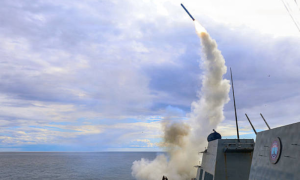
The remarks come as tensions across the Middle East continue to intensify following joint US-Israeli strikes on Iranian targets, which triggered waves of Iranian missile and drone retaliations against military installations and regional assets linked to both the US and Israel.
Analysts say the confrontation has already heightened fears about the security of shipping routes through the Strait of Hormuz, a narrow waterway through which roughly one-fifth of the world’s oil passes.
Iranian officials have signalled that the country will continue retaliatory measures if attacks persist, warning that Tehran will not negotiate under military pressure.
Strategic experts say the unfolding confrontation illustrates how quickly the crisis could broaden beyond direct military exchanges, potentially affecting global trade, energy markets and regional security dynamics.