


WASHINGTON: The United States has announced a new wave of sanctions targeting Iran’s oil trade and weapons procurement networks, amid rising tensions in the Middle East and ahead of the third round of nuclear talks scheduled in Geneva.
The US Treasury Department said the penalties focus on 12 vessels, as well as several companies and individuals that Washington claims are involved in Iran’s petroleum sales and weapons acquisition, reports Al Jazeera.
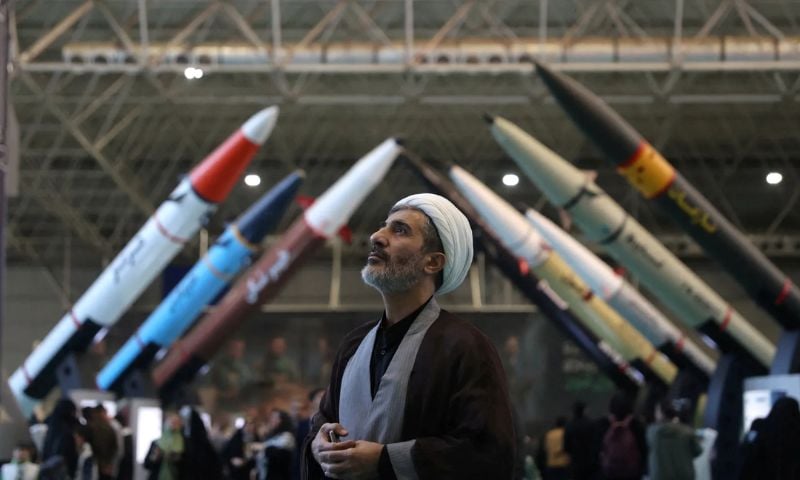
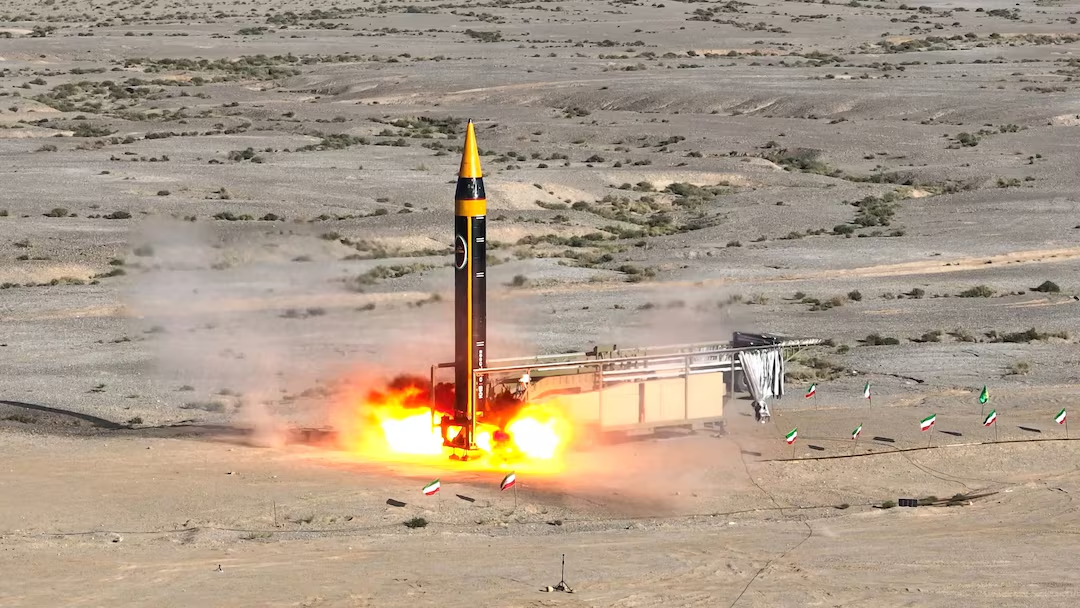
According to the Treasury, revenue from these activities supports Iran’s ballistic missile program, finances armed proxy groups, and contributes to domestic repression.
“Iran exploits financial systems to sell illicit oil, launder the proceeds, procure components for its nuclear and conventional weapons programs, and support its terrorist proxies,” Treasury Secretary Scott Bessent said in a statement.
“Under President Trump’s strong leadership, Treasury will continue to put maximum pressure on Iran to target the regime’s weapons capabilities and support for terrorism, which it has prioritised over the lives of the Iranian people.”
The sanctions freeze the assets of the designated entities in the United States and make it largely illegal for American citizens to engage in financial transactions with them.
The measures target ships operating in Iran’s so-called “shadow fleet”, a network of tankers and intermediaries that transport Iranian crude oil and petroleum products to international markets.
The US describes this trade as “illicit,” while Iran maintains it is selling legitimate petroleum and has called Washington’s crackdown “piracy.”
Sanctions increased amid US military presence
The sanctions come amid an increased US military presence in the region, including two aircraft carriers and large fleets of fighter jets, raising concerns about the potential for military escalation.
The move also precedes the latest round of nuclear negotiations, in which Iran’s Foreign Minister Abbas Araghchi is representing Tehran in Geneva.
Araghchi has emphasized that Iran is prepared to answer questions about its uranium enrichment program but will not forgo its right to peaceful nuclear technology.
“We are not developing long-range missiles, and we have limited the range of our missiles below 2,000 kilometers,” Araghchi told India Today, countering US claims that Iran’s missile program threatens American territory.
He stressed that Iran’s defense capabilities are designed to deter attacks, not to launch aggression.
The sanctions are part of Washington’s long-standing maximum pressure campaign against Iran, first intensified after President Trump withdrew from the 2015 Joint Comprehensive Plan of Action (JCPOA).
That deal had required Iran to scale back its nuclear program in exchange for the lifting of international sanctions. After returning to the White House in 2025, Trump renewed efforts to choke off Iran’s oil exports and strengthen economic pressure on Tehran.
Despite the sanctions and military posturing, US and Iranian officials have continued diplomacy to avoid open conflict. Secretary Bessent emphasized that the sanctions are aimed at restricting Iran’s weapons development and support for proxy groups, while the US has expressed willingness to pursue a negotiated solution if Tehran complies with international standards.
The ongoing measures, combined with increased US military deployments, underscore the fragile balance in the region as both countries prepare for talks that could determine the future of Iran’s nuclear and missile programs.