


Key Points
- Pakistan emerges as a key mediator, offering to host negotiations
- US preparing to deploy thousands of additional troops and Marines
- Iran denies direct talks despite US claims of ongoing negotiations
- Strait of Hormuz tensions continue to disrupt global energy markets
- Regional spillover intensifies with strikes across Lebanon and Gulf states
DUBAI: The United States has presented a 15-point ceasefire proposal to Iran through intermediaries, signaling a potential diplomatic opening even as Washington accelerates its military deployments across the Middle East.
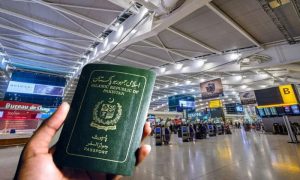
According to AP quoting sources familiar with the plan, the proposal was delivered via Pakistani officials, who have stepped forward to facilitate renewed negotiations between Washington and Tehran.
Islamabad has indicated its willingness to host talks aimed at ending the ongoing conflict, with early discussions suggesting a possible meeting within days if both sides agree.
Despite the diplomatic outreach, the situation on the ground remains tense. The Pentagon is preparing to send at least 1,000 additional troops from the 82nd Airborne Division to the region, adding to an already substantial US military presence of roughly 50,000 personnel.
Two Marine units—bringing thousands more troops and sailors—are also being deployed, a move described as giving President Donald Trump greater strategic flexibility.
The dual-track approach—pursuing negotiations while strengthening military readiness—has raised questions about Washington’s intentions. Analysts suggest the administration may be seeking leverage at the negotiating table, while also preparing for potential escalation if talks fail.
The ceasefire initiative reportedly caught Israeli officials off guard, as they have been urging continued military pressure on Iran. Meanwhile, the White House has not publicly commented on the proposal.
President Trump confirmed earlier that the US is engaged in discussions to end the conflict, naming senior officials and envoys involved in the process. However, Iran has publicly rejected claims of direct negotiations.
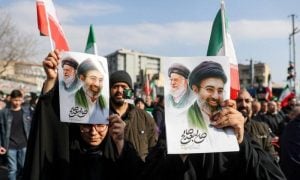
Senior Iranian figures insist that no formal talks are underway and have signaled that military operations will continue. Diplomatic efforts face significant obstacles.
Deep mistrust remains between the two countries, particularly after previous military actions occurred during periods of attempted dialogue. Unresolved disputes over Iran’s nuclear and missile programs further complicate any potential agreement.
Additionally, uncertainty persists over who within Iran’s leadership has the authority—or willingness—to negotiate amid ongoing Israeli strikes targeting senior figures.
Regional actors are also working behind the scenes to reduce tensions. Mediators are focusing on confidence-building measures, including safeguarding energy infrastructure and reopening the Strait of Hormuz, a vital corridor for global oil shipments that has been severely disrupted during the conflict.
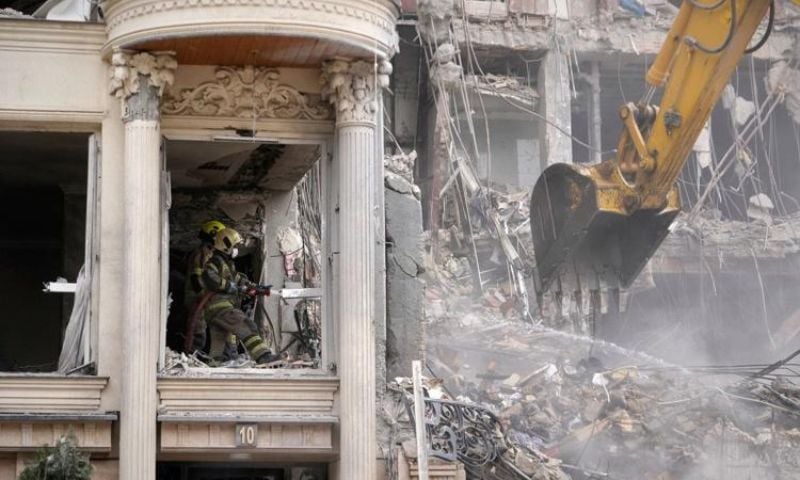
The war continues to have far-reaching consequences. Airstrikes and missile exchanges have intensified across multiple fronts, affecting not only Iran and Israel but also neighboring countries.
Civilian casualties have been reported in Lebanon, while attacks have disrupted infrastructure in Gulf states and raised fears of a broader regional escalation.
Markets have reacted sharply to developments. Although initial reports of possible talks briefly eased oil prices and lifted investor sentiment, uncertainty quickly returned, with crude prices climbing back above $100 per barrel—reflecting ongoing concerns over supply disruptions.
As diplomatic channels remain fragile and military activity intensifies, the coming days are expected to be critical in determining whether negotiations can gain traction or if the conflict will deepen further.