


Key Points
- US spent $3.7bn in the first 100 hours of war.
- Operations cost about $196m for jets, ships and artillery.
- 2,600+ guided weapons launched in four days of fighting.
- Replacing munitions estimated to cost $3.1bn.
- Three F-15 fighter jets destroyed by friendly fire in Kuwait.
- Iran launched 500 missiles and 2,000 drones during four days.
- 1,800+ missiles and drones intercepted by Gulf allies.
- Only $178m already covered in Pentagon budget.
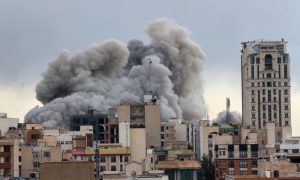
ISLAMABAD: The United States spent an estimated $3.7 billion in the first 100 hours of its war with Iran, according to an analysis cited by Al Jazeera, highlighting the enormous financial cost of modern military conflict.
In a video breakdown published on its TikTok account, @aljazeeraenglish, cited figures from the Centre for Strategic and International Studies (CSIS), showing that the amount spent in just four days exceeds the entire annual military budgets of many countries in 2024.
The analysis shows that the early cost of the war was driven largely by expensive precision weapons and the high price of intercepting Iranian missiles and drones.
Inside the war bill
According to the CSIS breakdown cited by Al Jazeera, the first four days of the conflict involved three major cost components: operations, munitions and equipment losses.
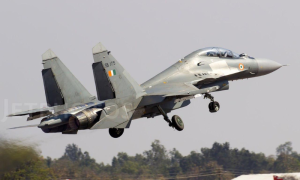
Operational costs — including keeping more than 200 fighter jets in the air, a fleet of warships at sea and artillery units on the ground — amounted to about $196 million. Much of this spending had already been included in the Pentagon’s existing military budget.
The largest share of the spending came from munitions, the weapons used during the strikes.
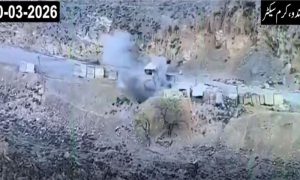
During the first 100 hours of the campaign, US forces launched more than 2,600 guided weapons, including missiles, precision bombs and drones. Replacing these weapons is estimated to cost about $3.1 billion, according to the analysis.
Additional costs came from equipment losses, including three F-15 fighter jets reportedly destroyed by friendly fire in Kuwait, with replacement costs estimated at $359 million.
Together, these expenses bring the estimated total cost of the first four days of the war to around $3.7 billion.
Expensive first wave
The analysis cited by Al Jazeera noted that the most expensive weapons were used during the earliest phase of the campaign.
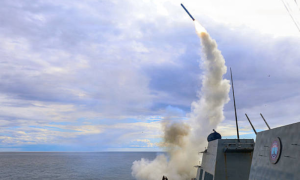
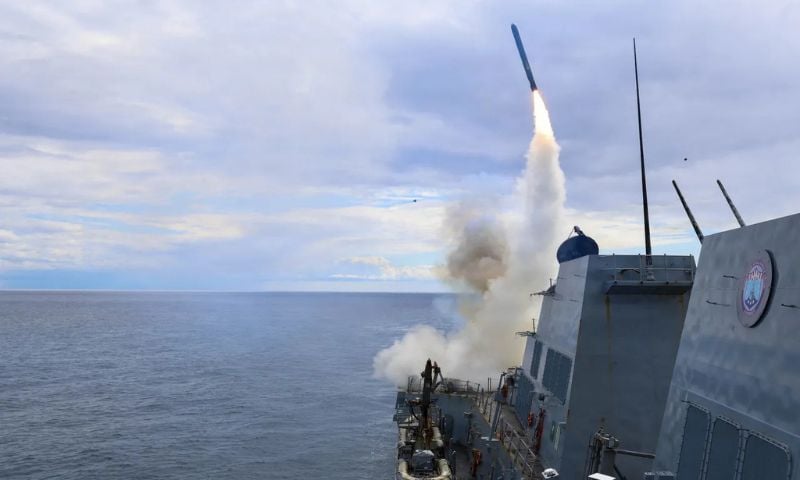
On the first day, Iranian air-defence systems remained largely intact, forcing US forces to rely on long-range strikes. The United States launched Tomahawk cruise missiles costing about $3.6 million each to attack targets from a safe distance.
By the fourth day, however, Iranian air defences had reportedly been degraded, allowing US bombers to use precision-guided “smart bombs” costing roughly $80,000 each, significantly reducing the cost per strike.
Costly air defence
The analysis suggested that intercepting Iranian missiles and drones may be even more expensive than launching attacks.
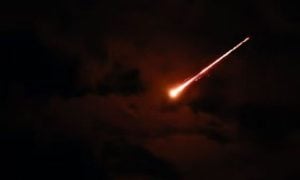
During the first four days of fighting, Iran reportedly launched about 500 ballistic missiles and 2,000 drones.
One example highlighted was the Shahed drone, which can cost Iran up to $50,000 to produce. However, intercepting a single drone can cost up to 100 times more, depending on the air-defence system used.
Gulf allies helped defend against the attacks, intercepting more than 1,800 missiles and drones, according to the figures cited by Al Jazeera.
Military analysts note that even attacks that fail to hit their targets can still impose heavy costs because every interception uses expensive air-defence missiles.
Unclear war financing
The report also highlighted uncertainty in Washington over how the conflict will ultimately be financed.
Of the estimated $3.7 billion spent during the first 100 hours, only about $178 million was already included in the Pentagon’s budget, according to the analysis.
The remaining costs currently do not have a confirmed funding source.
Possible options discussed include requesting supplemental emergency funding from Congress, redirecting funds from other government spending programmes, or incorporating the costs into a future federal spending bill.
However, analysts say each option carries political implications, as congressional votes on funding could effectively become votes on continuing the war.
A billion dollars a day
According to the analysis cited by Al Jazeera, the conflict is costing the United States close to $1 billion per day, with some Republican lawmakers estimating the actual figure could be even higher.
To illustrate the scale of spending, the analysis noted that the amount spent in the first four days alone could roughly equal the cost of rebuilding every school destroyed in Gaza.