


ISLAMABAD: A United Nations Security Council report has dismissed the Taliban’s claim that Afghan territory is not being used for cross-border militancy, calling the assertion “not credible” and warning that neighbouring countries increasingly see Afghanistan as a source of regional insecurity.
The assessment is contained in the 16th report of the UN’s Analytical Support and Sanctions Monitoring Team, submitted to the Security Council more than four years after the Taliban returned to power in August 2021.
“The de facto authorities continue to deny that any terrorist groups have a footprint in or operate from its territory. That claim is not credible,” the report said, noting persistent concerns despite Taliban assurances under the 2020 Doha Agreement.
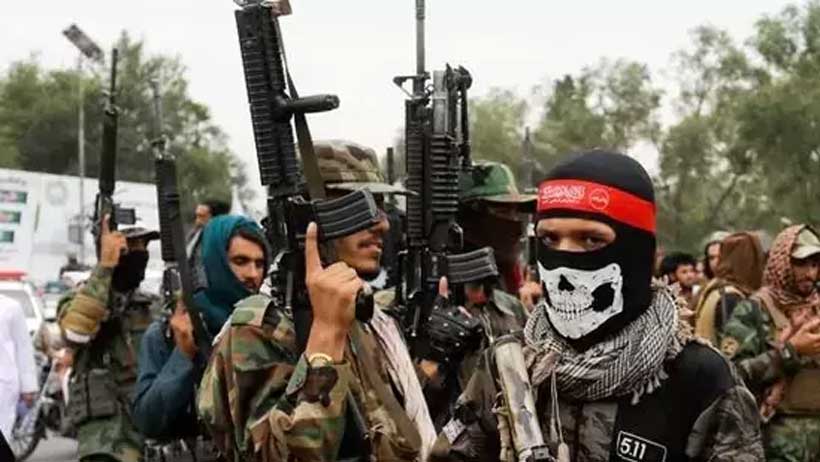
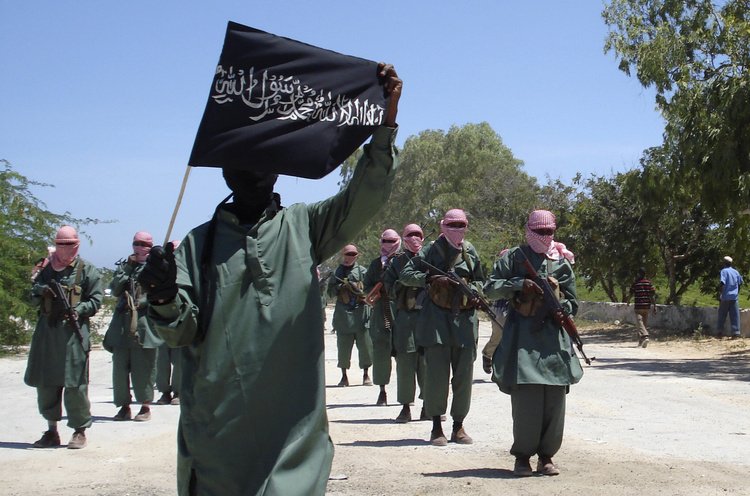
According to the report, multiple UN member states have consistently identified the presence in Afghanistan of ISIL-K, Tehreek-i-Taliban Pakistan (TTP), Al Qaeda, the Eastern Turkistan Islamic Movement (ETIM/TIP), Jamaat Ansarullah, and other groups. Some, it said, continue to use Afghan territory to plan and prepare external attacks.
While the Taliban have aggressively targeted ISIL-K, which they view as their primary adversary, the report said their approach to other militant groups has been markedly different. Al Qaeda is assessed to maintain close ties with the Taliban and a low-profile but persistent presence across several Afghan provinces, benefiting from what UN monitors described as a permissive operating environment.
The most acute threat to regional stability, however, was identified as the TTP. The report said the group operates from Afghan sanctuaries, enjoys varying degrees of sympathy within the Taliban, and has carried out “numerous high-profile attacks in Pakistan from Afghan soil.
“Taliban authorities continue to deny and deflect responsibility for failing to restrain TTP,” the report said, adding that while some Taliban leaders now see the group as a liability in relations with Pakistan, others remain supportive. Given historical ties, the report concluded, the Taliban are unlikely — and may be unable — to act decisively against the TTP.
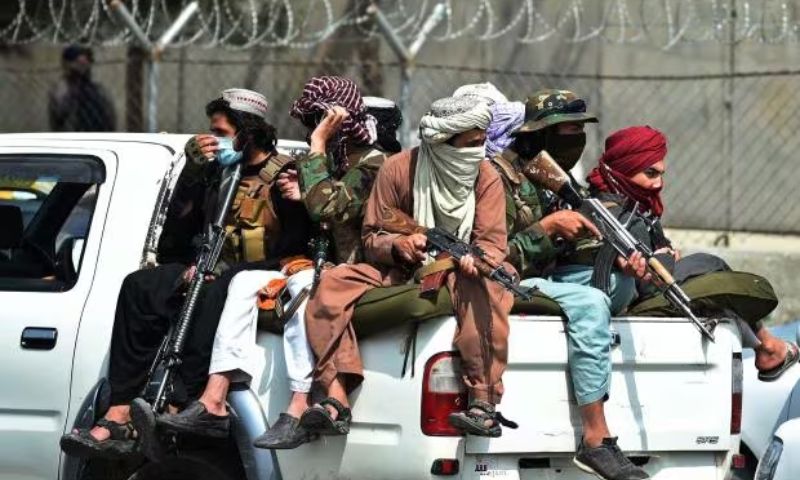
The report said the number of TTP attacks in Pakistan has increased throughout 2025, with some estimates putting the figure at more than 600 attacks so far this year. Many of the assaults were described as complex operations involving vehicle-borne explosives and coordinated suicide teams, with a majority of suicide bombers reported to be Afghan nationals.
The UN estimates the TTP’s strength at around 6,000 fighters, primarily based in Khost, Kunar, Nangarhar, Paktika, and Paktia provinces. Its leader, Noor Wali Mehsud, is reportedly living in Kabul. One unnamed member state claimed that Mehsud’s family receives monthly payments of three million afghanis from the Taliban.
The report said the dispute over the TTP’s presence has severely strained Pakistan-Afghanistan relations, leading to cross-border military confrontations, casualties and trade disruptions. Border closures alone are estimated to cost the Afghan economy around $1 million per day.
It also noted that the TTP has expanded its targeting, including military-owned businesses and Chinese economic interests in Pakistan, significantly escalating the threat.
Despite the broader militant landscape, the report acknowledged counterterrorism gains by Pakistan, including the arrest of ISIL-K spokesperson Sultan Aziz Azam in May 2025 and the joint Turkish-Pakistani arrest of senior ISIL-K figure Ozgur Altun, which may have disrupted the group’s media operations.
On Al Qaeda, the report said Osama Mahmoud was formally declared emir of Al Qaeda in the Indian Subcontinent (AQIS) in March 2025. He hails from Bajaur district in Khyber Pakhtunkhwa.