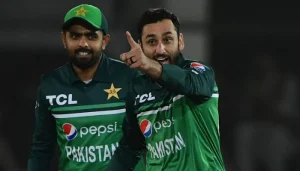



Pakistan cricket, long defined by raw talent and uneven development, is once again showing signs of renewal. Over the past few months, a cluster of young, fearless cricketers has emerged from the domestic and under-19 ranks, offering not instant stardom but something far more valuable: hope.
These “little stars” may still be unpolished, but their performances suggest a generation capable of restoring depth, discipline, and belief to the country’s cricketing future — provided they are nurtured with patience rather than rushed by hype.
It is gratifying to see a legion of budding cricketers coming to the fore in the past few months. They may not yet have become flowers, but have the potential to blossom to serve the national cause. These greenhorns have set their stalls out and promise a great future, not only for themselves but also for the country.
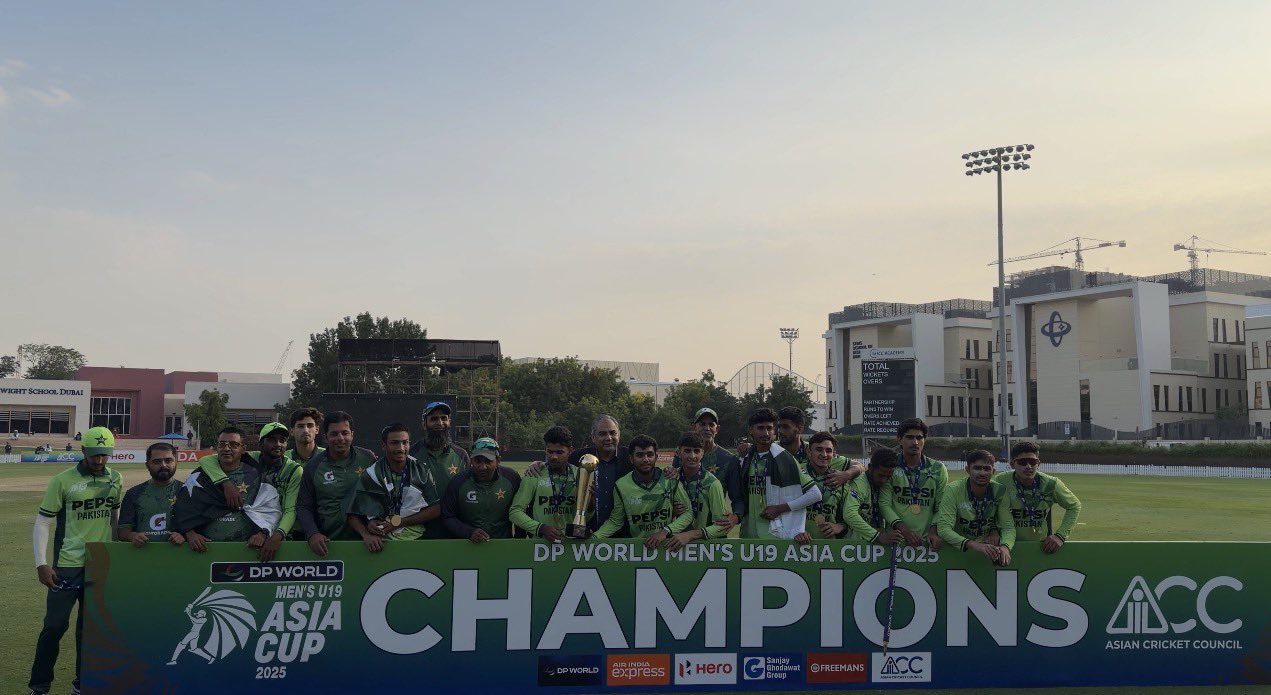
The emergence of Sameer Minhas has pleased everyone in Pakistan. He thrashed, mauled, and castigated his way into the hearts of millions of fans in Pakistan andaround the world with a pulsating and punishing 172 in the final of theUnder-19 Asia Cup. It rocked many primarily because his vigil had come againstarchrivals India and in a trophy-lifting cause. Not only fans at home, but alsofrom across the border start unearthing facts about the juvenile cricketer. Television channels thronged his home in Multan and asked his father how hedeveloped this boy?
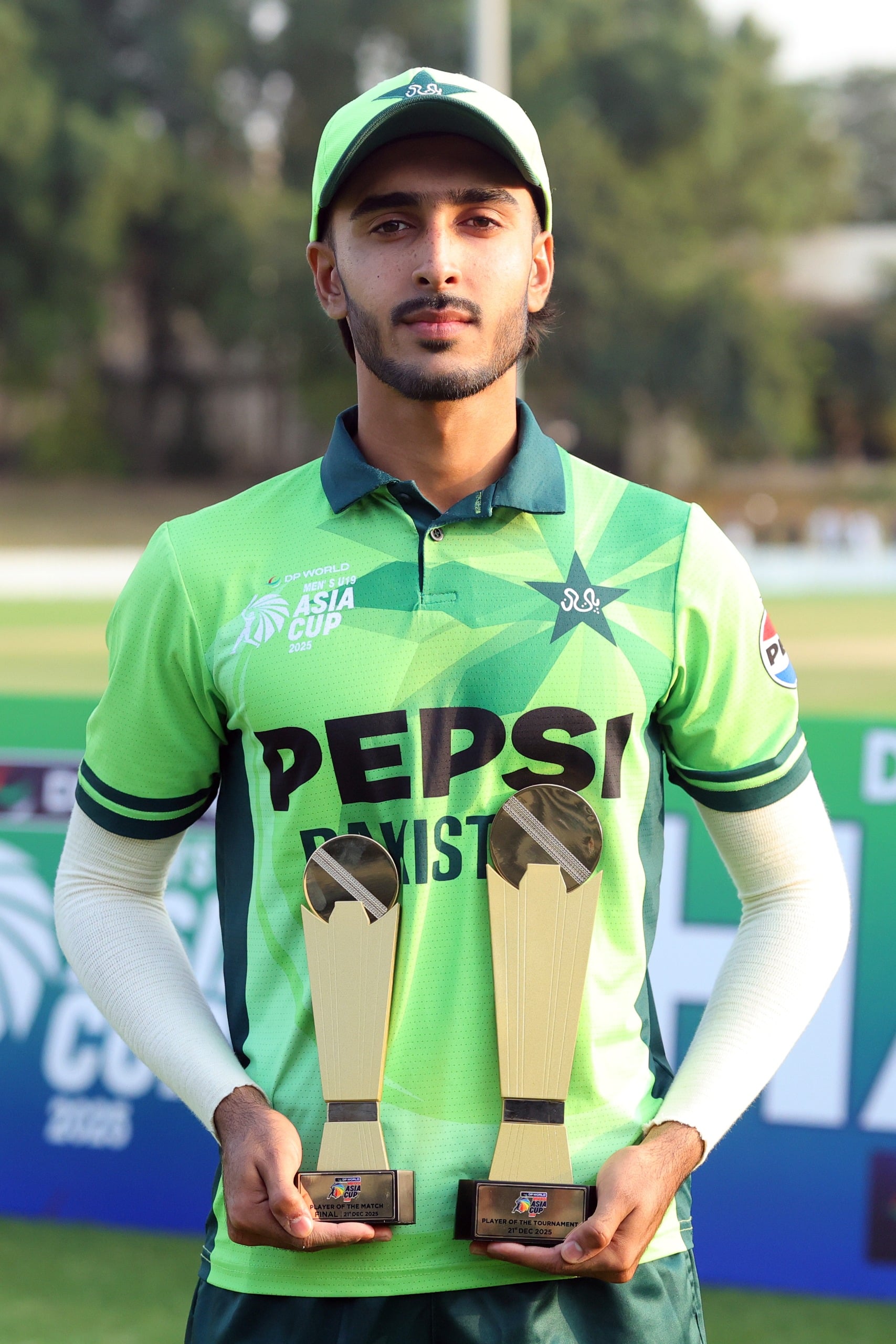
Such a talent puts a spring in the country’s setup. The year 2025 has started tobear fruits of the programmes started in 2019. Most of the players who werepart of the Under-19 Asia Cup winning squad were unearthed during the”catch’ em young” under development manager Nadeem Khan, a formerPakistan spinner and a respected figure. Pakistan’s system has been poor atdeveloping the budding players, they don’t do it deftly, but in a daft manner.
Several Pakistan Under-19 players go missing, they are derailedafter early success and early bucks. Maaz Sadaqat is another who has caught the eye. Theleft-hander stole the show in the Rising Star Asia Cup, where Pakistan triumphedin Doha. Sadaqat has been shining not only in the domestic season but also forPakistan’s second string. Hailing from Peshawar, Sadaqat scored the highest runs with 258 in five innings with three not outs.
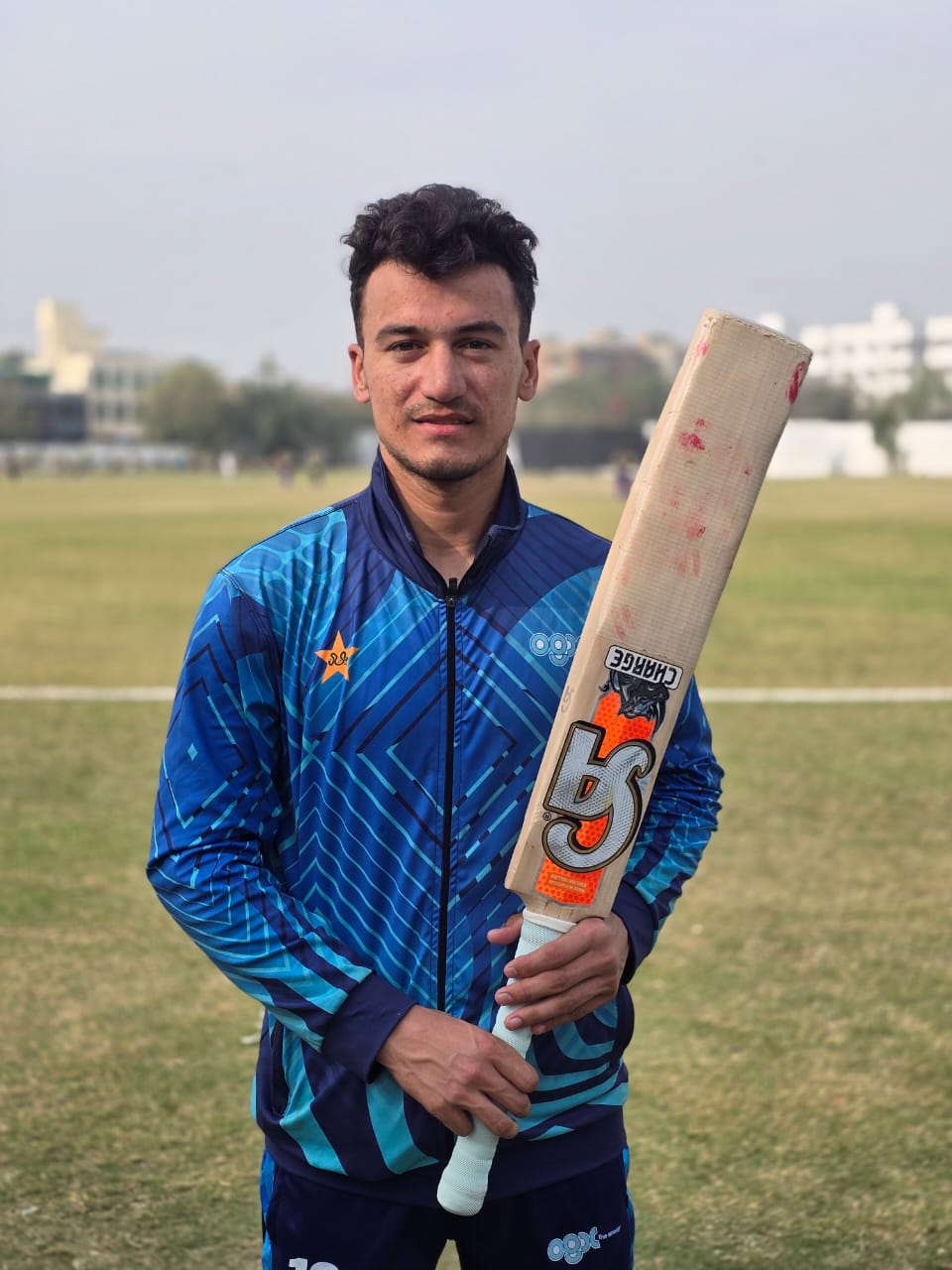
His highest of 96 not outwas against Oman, and in the win over India, the left-hander notched 79 not outwith four sixes and seven hits to the rope. Sadaqat has done well in the AsiaCup 2024 and was part of Shaheen’s tours to Australia and England in the lasttwo years. His left-arm spin is also an asset which can put him in good steadin the years to come. “Ali Raza “superstar,” tweeted former West Indiangreat Ian Bishop during an Under-19 World Cup match in South Africa. Raza hailsfrom Sheikhupura and was trained by none other than former Pakistan pacer RanaNaved-ul-Hasan at his academy.
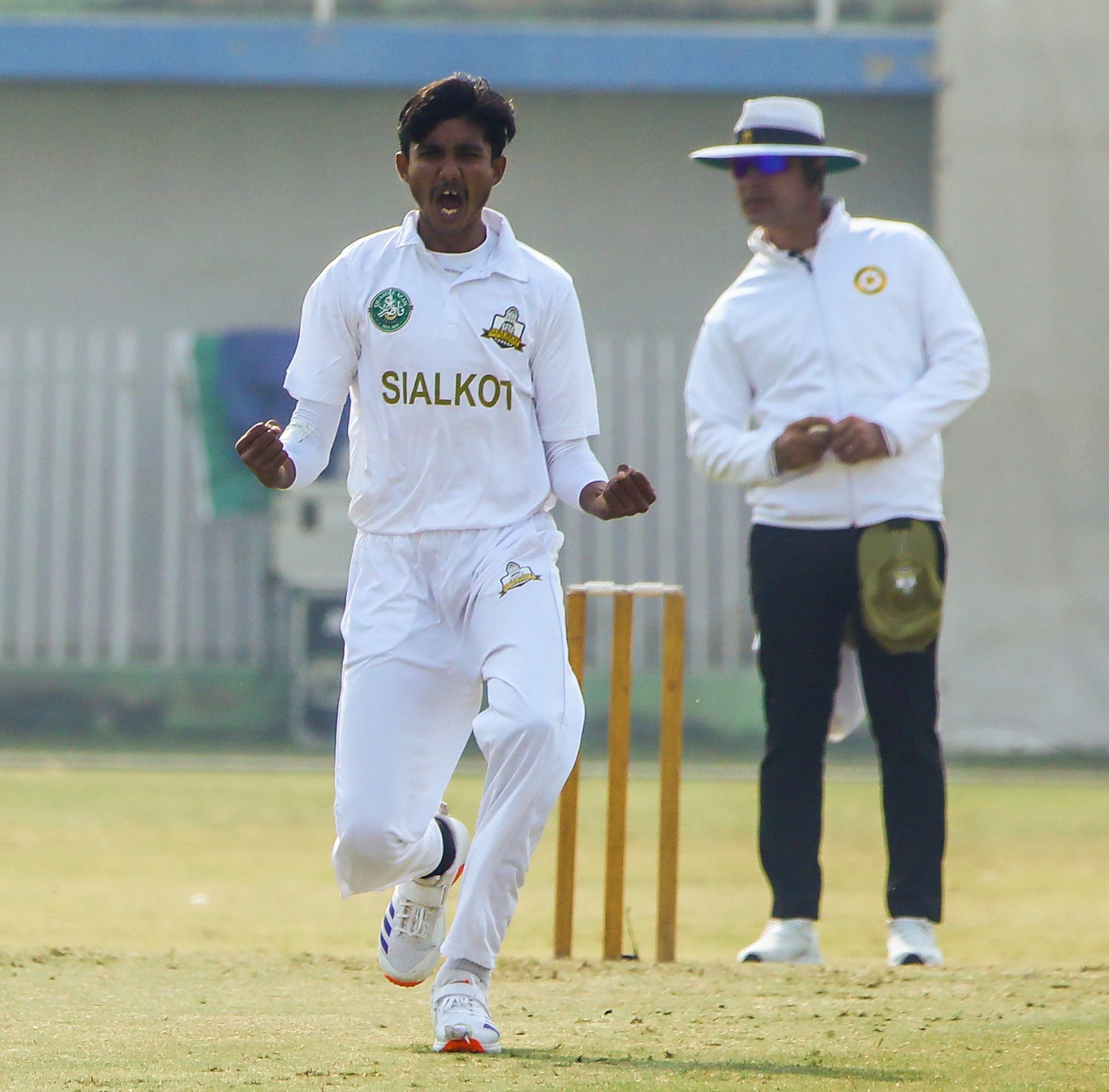
Raza has a high arm action, and his height helpshim get good bounce from any pitch. Raza was part of Peshawar Zalmai in the 2025season, fetching 12 wickets with a best of 4-21. Raza was Pakistan’s leadingbowler in the Asia Cup Under-19 final this year with 4-42 to anchor his team’sbig 191-run win over bitter rivals India. Raza is thin-framed and needs to workon his build as well as his eyesight after he developed some problems.
Pakistan Cricket Board, especially former fast bowler Aqib Javed, is takinggood care of this young fast bowler who can be a big asset for the national team in the near future. Shahzaib Khan, Shamyl Hussain, Saad Baig, and Azan Awais area quartet of left-handers who can force their way into the national team. Shahzaib earned worldwide plaudits with a burgeoning 150, including ten sixes, against India in Dubai last year. His innings helped Pakistan beatarchrivals by 43 runs, and Shahzaib’s talent was touted across the borders. This year’s Quaid Trophy first-class tournament has seen allfour Under-19 players scoring big runs.
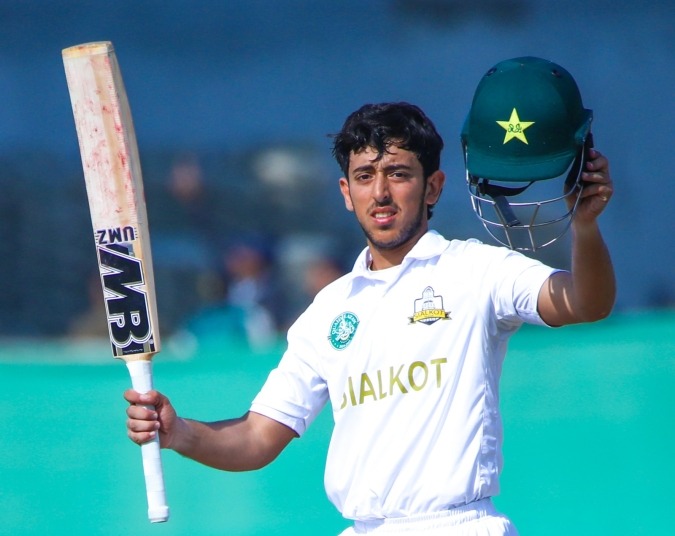
Saad Baig is a quality top-order batterwho can prove his skills in all three formats of the game. Saad topped thebatting chart in QeT with exactly 1,000 runs, and before the event hit 474 runswith two centuries. Shamyl Hussain, son of television anchor and renownedpolitical journalist Talat Hussain, is also a dashing top-order batter who likes to dominate the bowling, a great asset in these times.
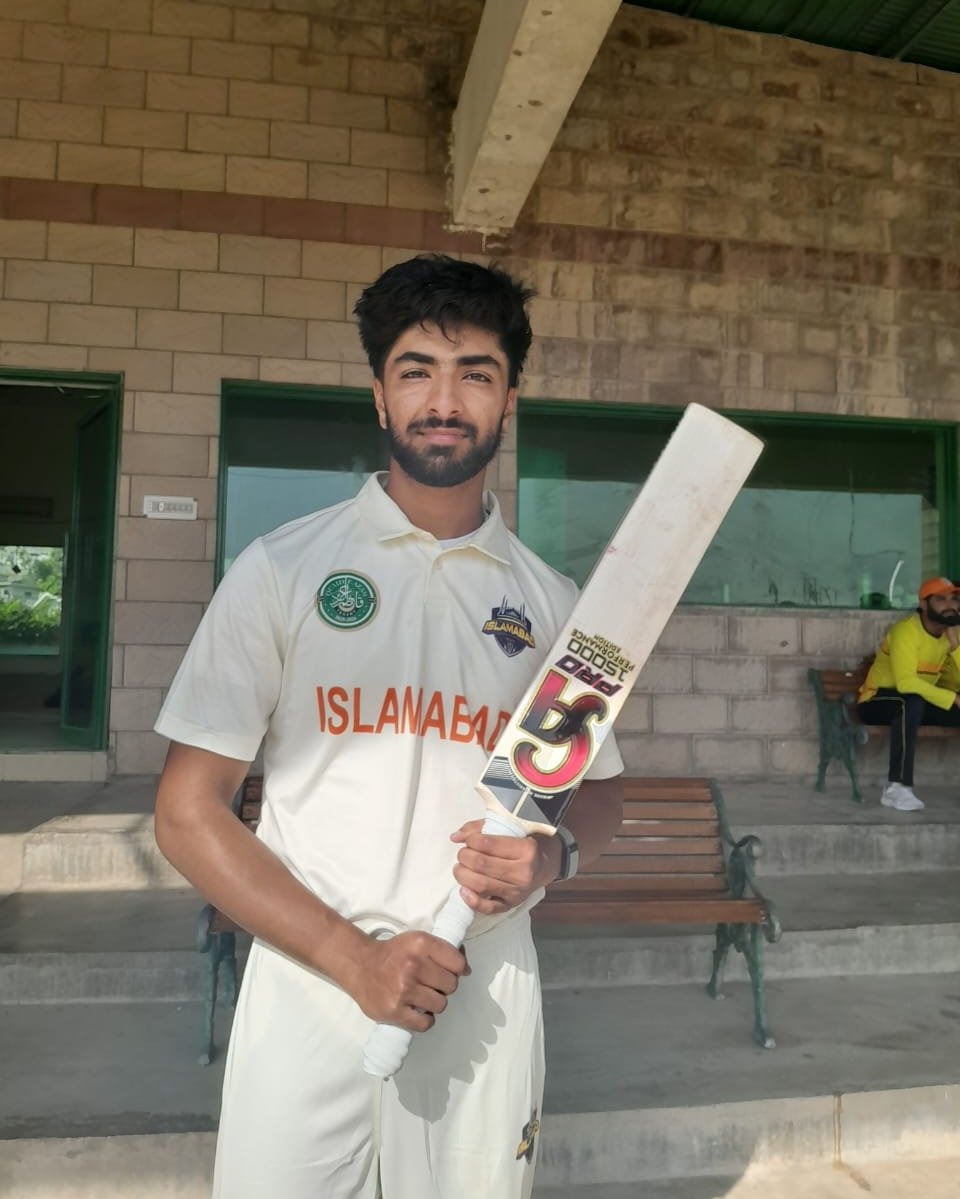
Shayml was secondhighest run-scorer in last year’s President Cup, and in this season, he notched899 runs in QeT. The best thing about Saad, Shamyl, and Shahzaib is that theyare equally good in red and white-ball cricket. Slight polishing of theirtalent can take them places.
Azan Awais is a quality red-ball batter. He topped thecharts in QeT with 844 runs and added another 578 runs in the President Cup. Here too, we need to groom his talent atthe Pakistan Shaheen level and not forcehim into the national team in a jiffy. Saad Khan is from Hyderabad, a city ignored at thenational level. He, too, commands authority at the crease.
He scored 837 in QeTto finish fourth in the batting chart. He went on to score 359 in thePresident Cup to prove that he can come good in both red and white-ball cricket. These young guns are knocking at the door of internationalcricket. The need of the hour is to groom them at the next level so that when they enter the international arena, they shine and do not struggle, as has been the norm for decades.