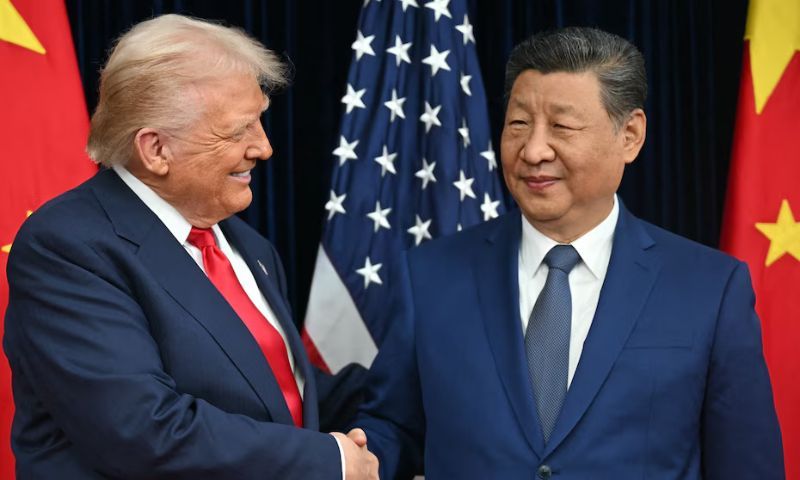



WASHINGTON: US President Donald Trump will travel to Beijing on May 14–15 for a high-stakes meeting with Chinese President Xi Jinping, marking his first visit to China in nearly eight years.
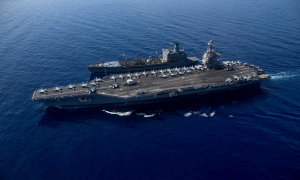
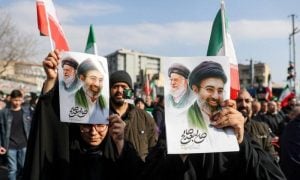
The trip, initially scheduled earlier, was postponed due to the ongoing conflict involving Iran, underscoring how global crises continue to reshape diplomatic priorities.
According to Reuters, the White House confirmed that preparations for the visit are in their final stages, with both sides aiming to turn the meeting into a significant diplomatic milestone.
Trump described the upcoming engagement as a “monumental event,” highlighting expectations of both symbolic and strategic outcomes.
The rescheduling reflects Washington’s attempt to balance multiple geopolitical pressures—managing a volatile Middle East conflict while stabilizing relations with Beijing.
According to US officials, President Xi was informed about the delay and acknowledged the circumstances surrounding it, particularly the need for Trump to remain engaged in military operations linked to Iran.
This visit will be the first in-person interaction between the two leaders since their meeting in South Korea in October 2025, where they agreed to a temporary easing of trade tensions.
Since then, relations have remained fragile, shaped by economic disagreements, security concerns, and shifting global alliances.
While the Beijing visit is expected to include ceremonial displays typical of high-level state engagements, substantive discussions will likely focus on trade cooperation and strategic friction points.
Potential agreements could involve sectors such as agriculture and aviation, signaling cautious efforts to rebuild economic ties. However, major disagreements remain unresolved.
Taiwan continues to be a central issue, with the US increasing arms sales to the island—moves that Beijing strongly opposes. Analysts expect limited progress on this front, as both sides maintain firm positions.
The broader geopolitical environment adds further complexity. The ongoing conflict involving Iran has disrupted global energy markets and introduced new tensions between Washington and Beijing.
China, a major importer of Iranian oil, has not responded positively to US requests for support in countering Tehran’s actions, particularly concerning the Strait of Hormuz.
Despite these challenges, the upcoming meeting is seen as a critical opportunity to prevent further deterioration in US-China relations.
Trump has also indicated plans to host Xi in Washington later this year, suggesting a continued effort to maintain dialogue between the world’s two largest economies.
Whether the Iran conflict subsides before the visit remains uncertain. US officials estimate that the situation could evolve within weeks, but its outcome may significantly influence the tone and outcomes of the Beijing talks.