


Key Points
- Trump issues ultimatum over Strait of Hormuz
- Risk of disruption to global oil supplies intensifies
- Conflict shifts toward critical civilian infrastructure
- Diplomatic space narrows amid widening conflict
ISLAMABAD: The United States has sharply escalated its standoff with Iran, as President Donald Trump threatened to strike Iranian power plants if Tehran does not reopen the Strait of Hormuz. Iran quickly warned it would retaliate by targeting US-linked energy and water infrastructure across the region.
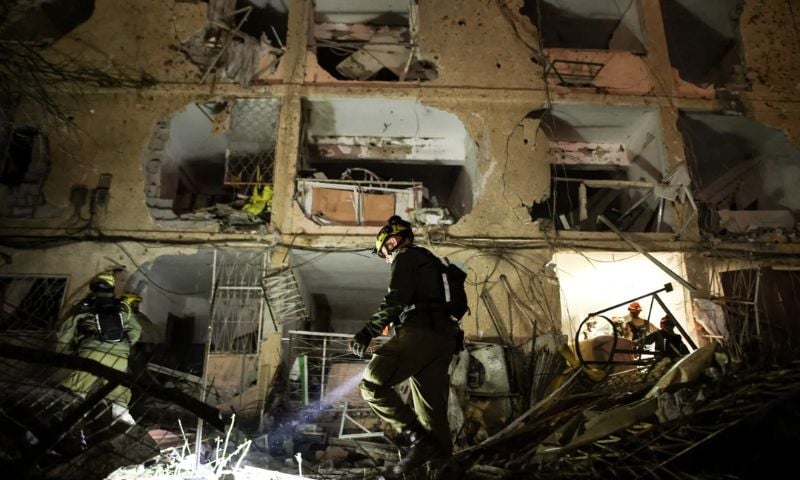
This marks a dangerous turn. The conflict is no longer limited to military targets. Civilian services systems are now under threat in the Iran war, which is now in its devastating third week.
A strait that controls the world’s oil
The Strait of Hormuz is one of the most critical energy chokepoints on Earth. Nearly a fifth of global oil passes through it. Any disruption sends shockwaves through markets, which is seen in the turmoil in the global oil and gas markets by now.
Shipping concerns have already surfaced, with multiplying insurance costs. Traders are watching closely. Even minor delays can push prices higher. Every attack from either side on an oil tanker, an oilfield, or energy infrastructure brings tremors in the energy markets.
Trump’s warning signals a new phase
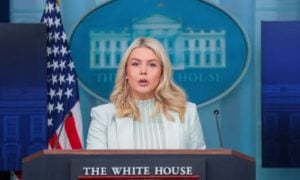
Speaking at the White House, Trump issued a blunt warning. He said the United States could “obliterate” Iran’s power plants if shipping is not restored.
This is a major escalation. Power grids are civilian infrastructure. Targeting them can affect millions of people within hours.
The message was clear. Reopen the Strait or face direct strikes.
Tehran draws its own red lines
Iran’s response was swift. Officials said any attack on its infrastructure would trigger retaliation, as it did in the previous cases.
Potential targets include energy facilities in the Gulf. Water desalination plants are also at risk. These plants are vital in a region with limited freshwater. Most of the Gulf states rely on desalination plants for drinking water.
That raises the stakes further. Civilian hardship could become immediate and severe.
From military conflict to infrastructure war
Experts say the conflict is shifting shape. It is moving toward what is often called infrastructure warfare.
This type of conflict targets systems that keep societies running. Electricity. Water. Fuel supply.
The risks are high. Damage to these systems spreads quickly, and recovery can take months, and in most cases, years.
The roots run deep
The crisis did not emerge overnight. Tensions date back decades.
They intensified after the US withdrew from the Joint Comprehensive Plan of Action. Sanctions returned. Pressure increased.
Since then, the region has seen repeated flare-ups, including leadership targets, tanker incidents, drone attacks, and proxy conflicts.
The current standoff is the most direct in years and has turned into a full-fledged war, hurting the peace and harmony across the globe.
Markets feel the pressure first
Energy markets react fast. Prices tend to rise on fear alone. Any sustained disruption in the Strait of Hormuz has already tightened global supply. Import-dependent economies are feeling the strain.
Shipping insurance costs are already skyrocketing, leaving import-dependent economies in jeopardy. That adds another layer of pressure.
Gulf states caught in the middle
Regional countries face a difficult position. Many host US military bases. At the same time, they lie within reach of Iranian retaliation.
Their infrastructure is exposed, and they are scrambling with drones targeting energy terminals, water plants, and ports.
Any further strike could have regional spillover effects.
Is this brinkmanship or a real war path
Some analysts see a pattern: strong words, limited but calculated actions, and controlled escalation.
They argue that both sides may be testing limits, not seeking full war. But the margin for error is thin. A single misstep could trigger wider conflict, turning into a bigger war, dragging more countries into it.
Diplomacy shrinks as risks grow
Efforts to de-escalate remain limited and have not yielded so far. International actors have tried to revive dialogue in the past.
For now, those channels appear weak. Positions are hardening, with the US vowing to do whatever it takes to reopen the Strait and reiterating that it will respond with equally swift retaliation.
The situation remains fluid, and the risks are getting high. And the consequences could extend far beyond the region.