


WASHINTON: U.S. President Donald Trump is signalling that American forces are prepared to strike Iran as early as this weekend amid a massive buildup of U.S. military assets in the Middle East, according to U.S. officials and media reports citing defence sources.
CNN and CBS News reported on Wednesday that US forces could be ready to launch strikes as early as this weekend, although Trump has not yet made a final decision.
The Wall Street Journal reported that Trump had been briefed on a range of military options, all described by officials as designed to “maximise damage.” According to the newspaper, these options include targeted strikes against Iranian political and military leadership and broader operations aimed at destabilising or potentially toppling the government in Tehran.
The deployment — including multiple aircraft carriers, advanced combat jets, and support aircraft — amounts to one of the largest concentrations of U.S. firepower near Iran in years, underscoring Washington’s readiness to act should diplomatic efforts falter.
The Trump administration has not formally authorised an attack, but top national security officials have told the president the military could be ready to launch strikes within days, and reporters say the Pentagon has positioned forces for a possible offensive if ordered.
Diplomacy and Deadlines
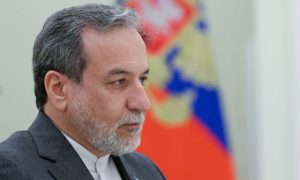
U.S.–Iran indirect talks, mediated by Oman and held in Geneva this week, have so far failed to bridge major gaps on core issues, including Iran’s nuclear enrichment program and ballistic missile capabilities. Tehran’s negotiators say progress has been limited, while U.S. officials have made clear that Iran has not met all of Washington’s “red lines.”
President Trump has publicly given Tehran roughly 10–15 days to reach a “meaningful deal” or face unspecified consequences, a timeframe that coincides with the concentration of U.S. forces in the region.
Military Buildup and Regional Tensions
The U.S. build-up includes the deployment of the USS Gerald R. Ford and USS Abraham Lincoln carrier strike groups, along with stealth fighters, aerial refuellers, and other naval and air assets positioned to support offensive and defensive operations. U.S. military movements this month reflect what analysts and U.S. officials call heightened readiness for potential action or retaliation.
Iran has responded with its own military exercises, including naval drills in the Strait of Hormuz — a vital global oil transit route — and has issued rocket launch notices for southern airspace. Tehran’s leaders insist they do not want war but have stressed they will defend their interests if attacked.
Risks and Reactions
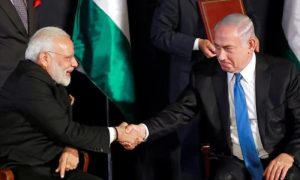
Regional and global governments have reacted with concern. Israel’s prime minister has warned Tehran of severe consequences if it chooses escalation, while Russia has called for restraint and continued diplomacy to prevent an “unprecedented escalation” in the region. Several European nations have also taken precautionary steps, including troop repositioning and advisories for their citizens.
Experts caution that even limited U.S. strikes could quickly escalate into broader conflict with Iran’s military and proxy forces, with severe implications for regional security, global oil prices, and economic stability.
As Trump weighs his options amid simmering tensions and ongoing talks, the world watches whether diplomacy can avert confrontation or whether the next few days will usher in a new phase of hostilities.