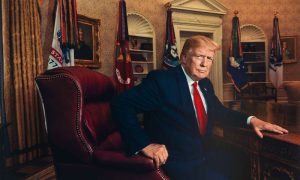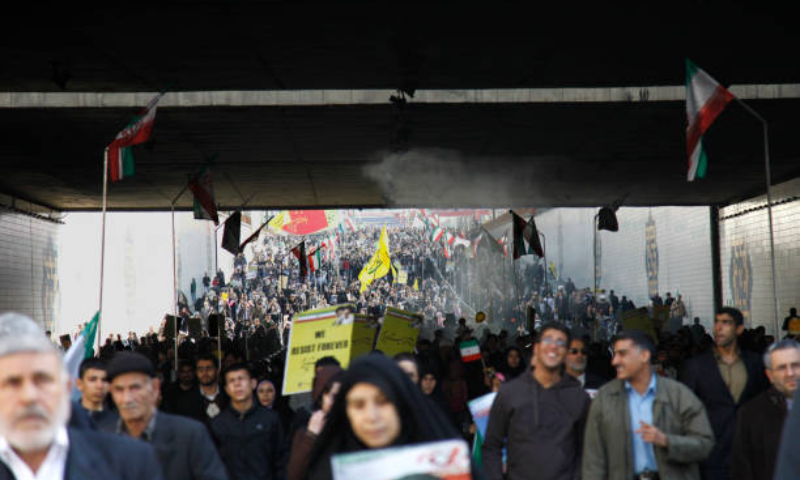



WASHINTON: President Donald Trump says the US military is considering “very strong options” in Iran, as anti-government protests which have reportedly killed hundreds enter a third week.
Asked on Sunday aboard Air Force One whether Iran had crossed his previously stated red line regarding the killing of protesters, Trump replied, “they’re starting to, it looks like.”
“We’re looking at it very seriously,” the US president added. “The military is looking at it, and we’re looking at some very strong options. We’ll make a determination.”
Amid rising tensions and following the US operation to remove Nicolás Maduro from Venezuela, Trump said Iran had expressed a willingness to negotiate. “I think they’re tired of being beat up by the United States,” he said. “Iran wants to negotiate.”
Anger over the plummeting value of the Iranian currency sparked protests in late December, which have grown into a crisis of legitimacy for Iran’s Supreme Leader, Ayatollah Ali Khamenei.
Trump has not yet elaborated on what the US is considering in terms of military options, nor on the proposed negotiations, despite saying that a “meeting is being set up” with Iranian officials.
He added that Iranian leaders “want to negotiate”, because “they are tired of being beat up by the United States”.
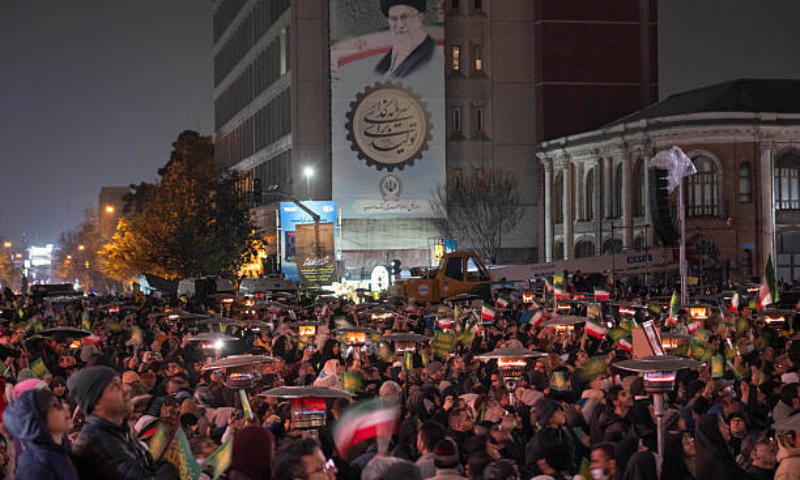
A US official told the BBC’s US news partner CBS that Trump has been briefed on options for military strikes on Iran. Other approaches could include boosting anti-government sources online, using cyber-weapons against Iran’s military, or imposing more sanctions, officials told the Wall Street Journal.
Widespread protests in Iran have intensified, driven by rising prices and growing discontent with the country’s leadership, as Tehran warned the United States against any interference.
The demonstrations, which began in late December, have spread across major cities including Tehran and Mashhad, with social media footage showing large crowds marching at night, chanting slogans, and clashing with security forces. Iranian authorities have accused the US and Israel of fueling unrest, while calling for nationwide rallies to condemn “terrorist actions led by the United States and Israel.”
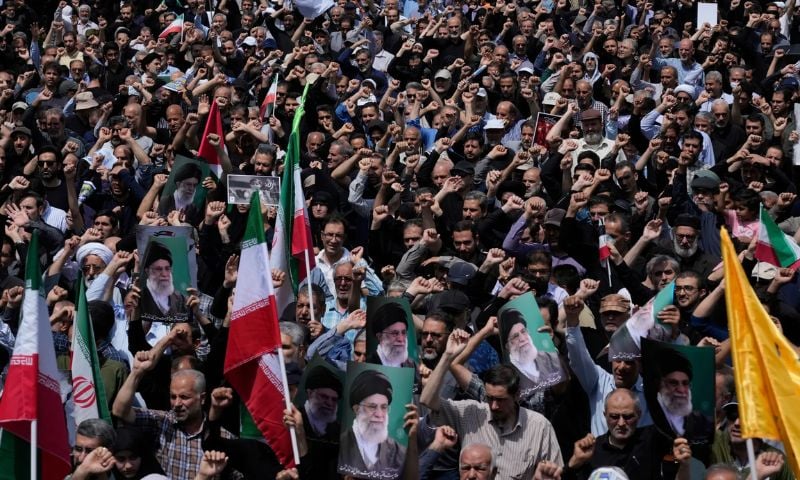
The protests have occurred amid a near-total internet blackout in the country, limiting independent verification of events. The unrest comes less than a year after the 12-day Israel-Iran conflict, leaving Tehran still recovering from military and regional setbacks.
President Masoud Pezeshkian denounced the protests as acts orchestrated by external enemies, urging families to keep children away from the demonstrations. Meanwhile, Iranian Parliament Speaker Mohammad Baqer Qalibaf threatened that U.S. and Israeli military assets could be targeted in the event of an attack on Iran.
In the United States, President Donald Trump said he was monitoring the situation closely and would discuss options with senior advisers, including cyber operations, sanctions, and support for opposition groups. Trump also indicated plans to consult with Elon Musk on restoring internet access through Starlink.