


The deadly shooting at Sydney’s Bondi Beach, where a father and son opened fire on a Jewish festival, killing 16 people, including a child, has shaken Australia and drawn global condemnation. As authorities continue to investigate the motives behind one of the country’s worst mass shootings in nearly three decades, another parallel crisis has unfolded alongside the violence itself: the rapid spread of misinformation and false attribution in the immediate aftermath of tragedy.
The Tragedy and Global Outcry
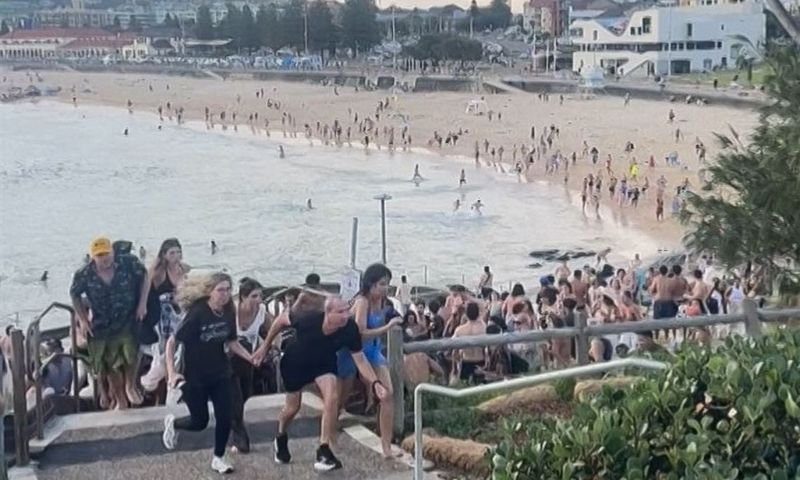
The attack unfolded on Sunday evening during a Hanukkah celebration attended by more than 1,000 people. Gunfire rained down from a raised boardwalk overlooking the crowded beach, killing 16 people aged between 10 and 87 and injuring more than 40 others. Police later confirmed that the attackers were a 50-year-old man and his 24-year-old son. The father was shot dead by police, while the son was arrested and remains under guard in the hospital. A homemade explosive device was also found in a nearby vehicle, underscoring the premeditated nature of the assault.
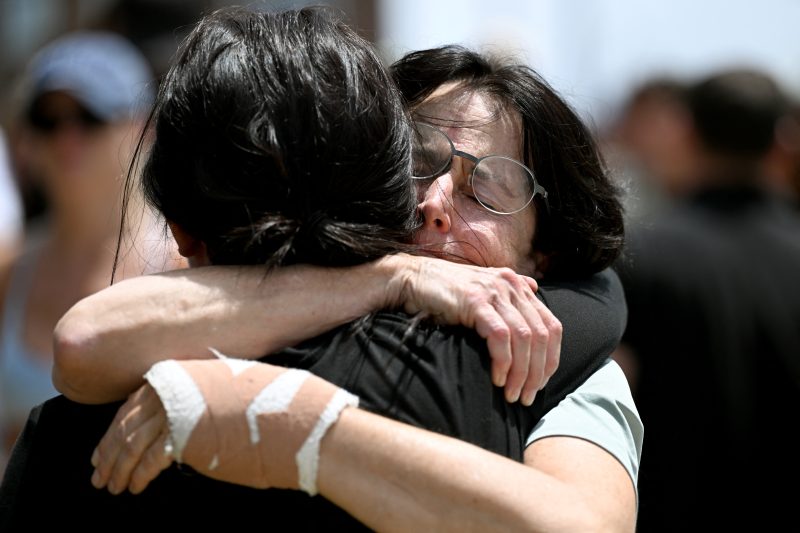
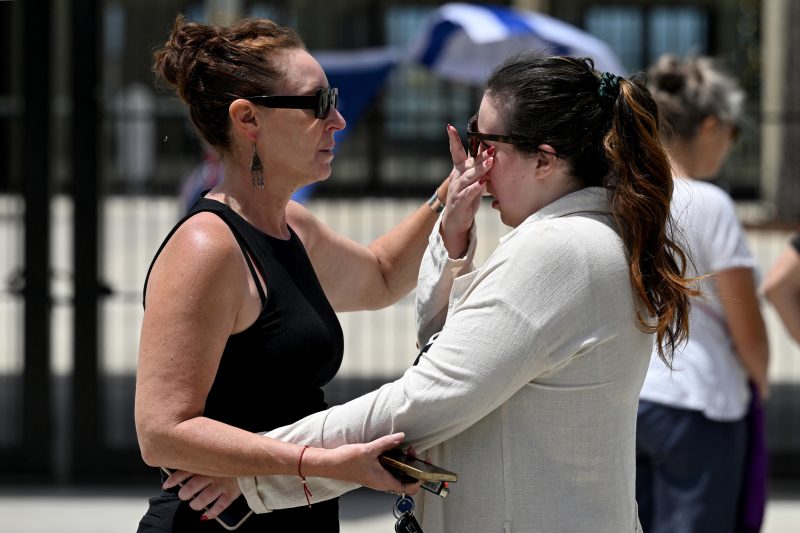
Australian leaders swiftly condemned the violence. Prime Minister Anthony Albanese described the shooting as an act of terrorism and vowed that Australia would not yield to fear or hatred. Flags were lowered to half-mast, and tributes poured in for the victims, including accounts of extraordinary bravery by bystanders and off-duty lifeguards who ran toward gunfire to rescue children and treat the wounded.
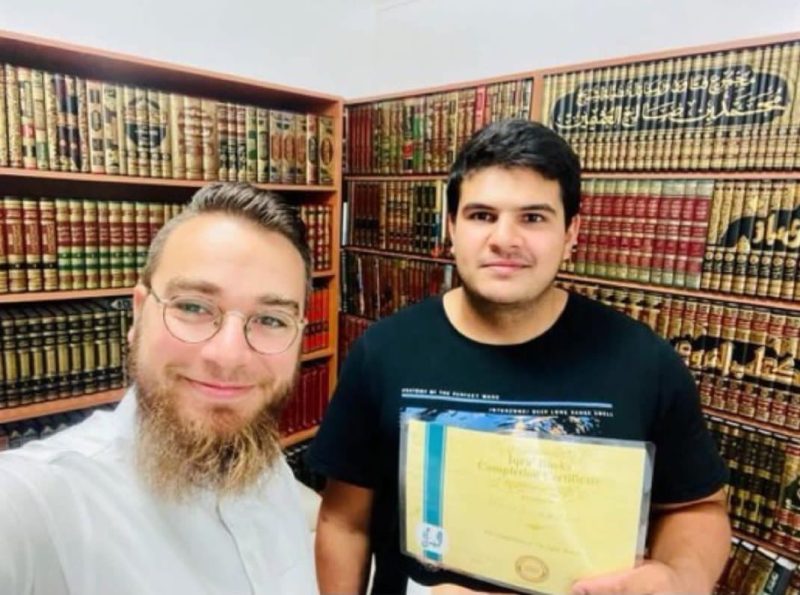
Yet, even before investigators could complete their preliminary findings, misleading narratives began circulating online and in select international media outlets. Names, identities, and assumed backgrounds were speculated upon, amplified, and distorted at speed. In the fog of breaking news, unrelated individuals sharing similar names to the attackers were falsely linked to the crime, exposing them to harassment and reputational harm.
This pattern is increasingly familiar. In moments of shock and fear, social media platforms become accelerants for unverified claims. Political rivalries, ideological agendas, and regional tensions often find expression through selective framing or outright fabrication. In this case, certain foreign media outlets and online networks attempted to attach broader geopolitical meanings to the attack before facts were established, turning a domestic terror incident into a tool for external narratives.
The Disinformation Campaign: Attempt to Turn Pain into Hatred
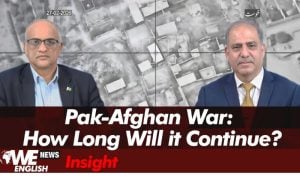
In the hours following the attack, sections of Indian, Afghan, and Israeli media were quick to push unverified claims that sought to falsely link the violence to Pakistan. Relying on names, speculation, and selective framing rather than confirmed facts, these outlets attempted to insert Pakistan into the narrative before Australian authorities had even completed their initial assessments.
The claims were later contradicted by official statements indicating that the attackers were Australian residents who had been radicalised locally. Analysts say such reporting reflects a recurring pattern in which moments of global crisis are exploited to advance political agendas, deflect scrutiny from domestic issues, and reinforce existing prejudices against Pakistan, rather than contributing to an evidence-based understanding of events.
Australian authorities, for their part, adopted a notably cautious tone in the early hours, repeatedly urging restraint and warning against speculation. Police leadership stressed that motives would only be discussed once evidence was verified, and they avoided commenting on religious or ideological drivers beyond what could be confirmed. This contrast between official caution and online recklessness highlights a widening gap between responsible journalism and the chaotic information ecosystem surrounding crises.
The danger of such misinformation is not abstract. False links and premature accusations can inflame community tensions, undermine investigations, and shift focus away from victims and accountability. They also erode trust — not only in media, but in institutions tasked with managing crises. When tragedy is weaponised for propaganda, it deepens divisions at precisely the moment societies need cohesion and clarity.
Facts & Fiction
Australia’s experience after the Bondi Beach attack reinforces a broader global lesson: in times of terror, the battle over truth becomes almost as critical as the response to violence itself. Responsible reporting, verified information, and patience are essential — not only to honour victims, but to prevent fear from being manipulated into further harm.
As investigators continue to piece together how and why this attack occurred, the wider public conversation faces its own test. Whether societies can resist the pull of misinformation during moments of collective trauma may ultimately shape how resilient they remain in the face of future crises.
Ultimately, the tragedy at Bondi Beach also exposed how quickly facts can be overshadowed by false narratives in moments of crisis. Even as investigators established that the attackers were locally radicalised and had acted independently, misinformation spread across borders, reviving familiar attempts to malign Pakistan and misrepresent Islam.
Repeated religious rulings rejecting violence and Pakistan’s own long struggle against terrorism stand in sharp contrast to such claims. The episode serves as a reminder that in times of shock and fear, responsible journalism and restraint are as vital as security responses, to ensure grief is not exploited and truth is not the first casualty.