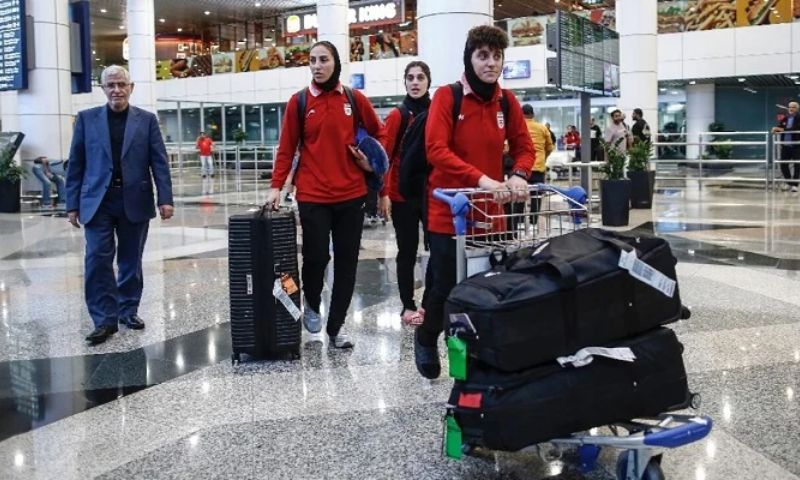



CANBERRA: Three members of Iran’s women’s national football delegation have withdrawn their asylum requests in Australia and decided to return home, Australian authorities confirmed on Sunday.
The move comes days after several members of the team sought refuge following controversy surrounding their silent protest during the national anthem. The Iranian squad had travelled to Australia to participate in the AFC Women’s Asian Cup.
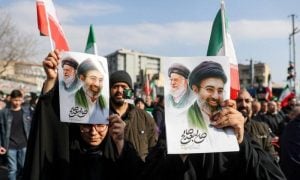
During one of the matches, some players refrained from singing the Iranian national anthem, a gesture widely interpreted as a form of protest against the Islamic Republic. The incident quickly sparked backlash in Iran, where state media commentators labelled the athletes “traitors”.
Initially, seven individuals from the Iranian delegation—including players and staff—applied for asylum in Australia after leaving the team’s hotel during the tournament, according to AFP.
They cited fears of retaliation if they returned to Iran. Human rights organisations have long warned that Iranian authorities sometimes pressure athletes abroad through threats against their families or by targeting their property.
However, according to Australian Home Affairs Minister Tony Burke, three of those who had sought asylum reconsidered their decision and opted to rejoin the team.
In a statement, Burke said the players informed Australian officials of their choice overnight and were repeatedly offered opportunities to review their options before leaving.
“After telling Australian officials they had made this decision, the players were given repeated chances to talk about their options,” Burke said. He emphasised that the government ensured the athletes were given the opportunity to pursue a safe future in Australia if they wished.
Following the latest development, only three members of the Iranian delegation remain in Australia under asylum arrangements. Earlier in the week, another individual from the group had already chosen to abandon the asylum process.
Iranian state broadcaster IRB reported that the three who withdrew their asylum applications—two players and one member of the technical staff—were travelling to Malaysia as part of their journey back toward Iran.
The situation has unfolded amid heightened tensions in the Middle East after US-Israeli air strikes on Iran, further intensifying the political environment surrounding the athletes’ decisions.
Australian Prime Minister Anthony Albanese praised the courage of the players who had spoken out and reiterated that Australia would welcome those seeking protection. “Australians should be proud that our country offered these women genuine choices and support,” Burke added.
Meanwhile, Iran’s football federation has accused Australian authorities of interfering with the team and alleged that players were pressured to abandon their homeland—claims Australian officials strongly reject.
The controversy began when members of the Iranian squad remained silent during the playing of the national anthem before a match in Australia. Although the team later sang the anthem in subsequent games, activists warned that the initial protest could expose them to possible punishment upon their return.
Earlier reports indicated that five players, including team captain Zahra Ghanbari, quietly left the team’s accommodation in Sydney to request asylum. Two additional members of the delegation joined them before the team departed Australia.
The evolving situation continues to highlight the complex intersection of sport, politics and human rights faced by Iranian athletes competing abroad.