


ISLAMABAD: For nearly 3,000 years, Taxila wasn’t just a city—it was a meeting place. Persians, Greeks, Mauryans, and Kushans all passed through here. Alexander the Great’s armies marched this way, Ashoka spread Buddhism from these valleys, and traders carried silk, spices, and stories across its streets. Every empire left behind pieces of itself—architecture, religion, language—making Taxila one of the first truly global cities in Asia.
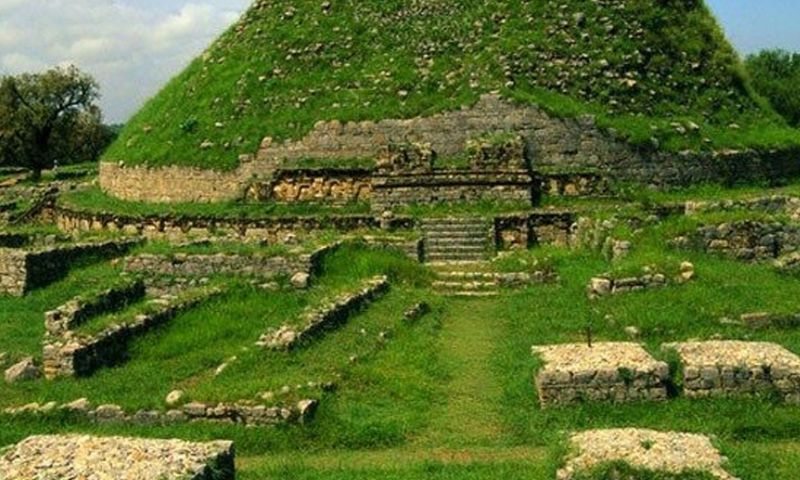
Taxila, in Pakistan’s Punjab province, is one of Asia’s most significant archaeological landscapes. Spanning thousands of years, the UNESCO World Heritage site is located on a branch of the Silk Road. Taxila flourished between the 1st and 5th centuries as a hub where trade, religion, and culture intersected.
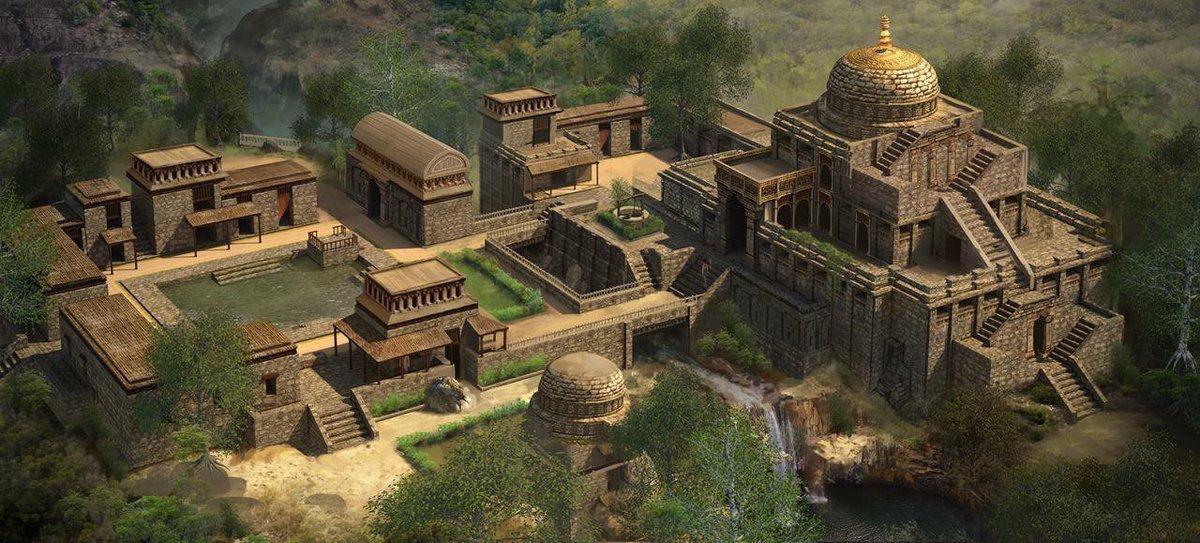
The ruins reflect a unique blend of influences: Surrounding valleys are dotted with stupas and monastic complexes—such as Dharmarajika, Mohra Moradu, and Jaulian—that turned Taxila into a Buddhist religious centre drawing pilgrims from Central Asia and China. Later layers of history, including a three-domed mosque and madrassa at Giri, illustrate the site’s long and diverse cultural continuity. These remains offer not only artistic and architectural richness but also a vivid record of cross-cultural exchange.
Forgotten, Then Found Again
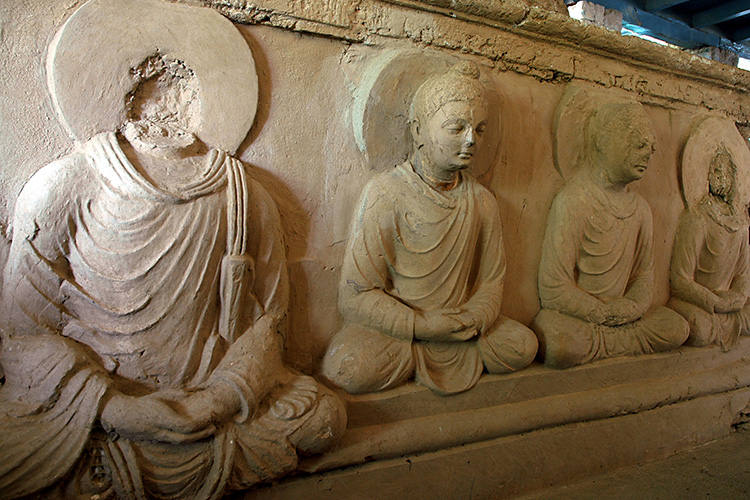
By the 5th century AD, waves of invasion and destruction had reduced Taxila to rubble. It was swallowed by silence for centuries, until 19th-century archaeologists pieced it back together using old texts and local legends. British archaeologist John Marshall’s digs in the early 1900s uncovered monasteries, sculptures, coins, and jewellery—revealing how East and West once blended here. His finds now fill the Taxila Museum, where serene Buddha statues wear Greek-style robes, a striking reminder of cultural fusion.
Why Taxila Still Matters
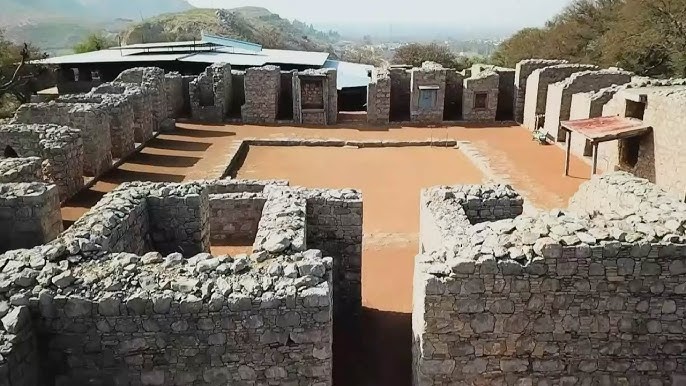
Today, Taxila is quieter than its fame deserves. A handful of tourists wander its ruins, while locals graze animals across ancient courtyards. Yet the site is more than stones and statues—it’s a living reminder of how civilizations rise, mingle, and fall. In an age of global trade and cultural exchange, Taxila shows us that connections across borders have always shaped human history. Standing among its crumbling stupas at sunset, you can almost hear the hum of the past—proof that while cities may die, their stories never do.
Despite its global value, Taxila faces risks from climate extremes, vegetation overgrowth, earthquakes, quarrying, and encroaching industry. Illegal excavations and inadequate funding further threaten its preservation. While Pakistan’s Antiquities Act and provincial authorities provide a legal framework for protection, UNESCO stresses the urgent need for a stronger management plan, stricter buffer zones, and scientific conservation measures. Safeguarding Taxila’s integrity requires balancing heritage preservation with modern development pressures, ensuring that this crossroads of civilizations remains a source of knowledge and inspiration for future generations.