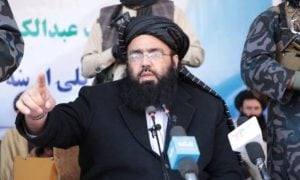
Taliban regime spokesperson Zabihullah Mujahid gave an interview to Al Arabiya English. In his interview, he issued a warning that Afghanistan would defend itself and deliver a “crushing response” if Pakistan violated Afghan territory, while claiming that the TTP, Baloch groups and other security challenges were Pakistan’s internal matter.
The remarks come amid continued concerns over terrorist groups operating from Afghan soil and the Taliban regime’s failure to prevent its territory from being used against neighbouring countries.
Mujahid’s “crushing response” threat, however, amounts to little more than another bold trailer from a regime whose so-called bravery has already been seen. Pakistan has consistently maintained a calibrated and measured response to provocations, but any fresh misadventure or aggression would carry consequences. The Taliban regime leadership’s repeated rhetoric cannot conceal the fact that their much-touted resistance and military credentials have already been tested.
The claim that terrorism emanating from Afghanistan is Pakistan’s internal matter is equally difficult to reconcile with repeated international assessments. From the recent Atlantic Council report to successive UN Security Council reports, concerns have been raised over terrorist organisations operating from Afghanistan and the conducive environment available to them under Taliban rule, as well as the regional implications of their presence.
The Taliban regime, rather than lecturing Pakistan, should first prevent its own territory from becoming a safe haven for terrorist groups. The regime has also failed to honour commitments made under the Doha Agreement regarding preventing Afghan soil from being used against other countries.
Meanwhile, Afghanistan itself continues to suffer under the Taliban regime. An armed group has imposed its authority through coercion, repression and fear, while enforcing its own distorted interpretation of Shariah in the name of Islam. The regime’s rule has been marked by allegations of corruption, abuse and exploitation, leaving ordinary Afghans to bear the consequences.
The Taliban may continue portraying themselves as warriors, but their record tells another story. During the 20-year war, many of their so-called warrior leaders were nowhere to be found in Afghanistan, remaining hidden or operating from elsewhere. The latest threats therefore raise a simple question: when confronted with Pakistan’s response, where will these “brave men” hide this time?