


ISLAMABAD: Pakistan continues to play a pivotal role in regional security and stability, even as it bears the brunt of evolving challenges following the Taliban’s 2021 takeover of Afghanistan, according to a new report by the International Crisis Group (ICG).
The Brussels-based independent and non-profit think tank notes that Pakistan has been the most affected country since the change in power in Kabul, primarily due to rising militant violence along its western border. Despite these pressures, the report points to a fragile but ongoing ceasefire and sustained efforts by Islamabad to prevent further escalation.
Relations between Pakistan and Afghanistan have faced strain, largely over the Afghan Taliban’s reluctance to take decisive action against the Tehreek-i-Taliban Pakistan (TTP). Even so, the report suggests that diplomatic channels remain open and that Pakistan continues to balance firmness on security with restraint to avoid wider conflict.
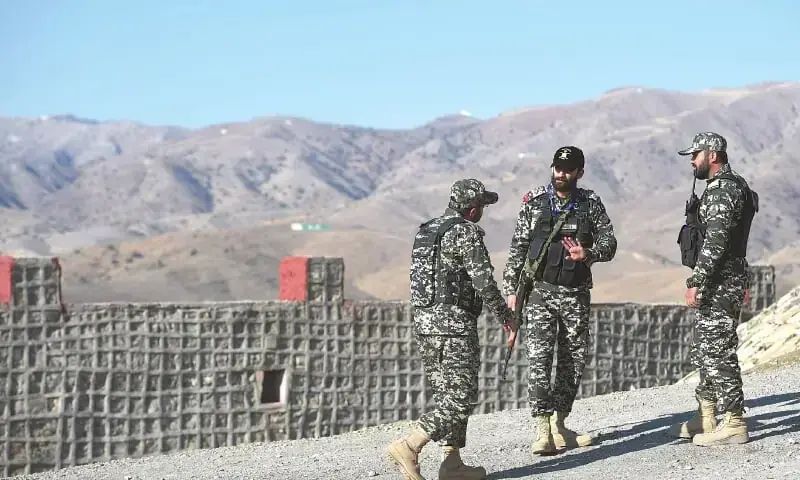
Since 2022, militant violence has intensified, particularly in Khyber Pakhtunkhwa and Balochistan. In 2025 alone, more than 600 Pakistani soldiers and police personnel lost their lives in attacks attributed mainly to the banned TTP. Despite these losses, Pakistan’s security forces have maintained operational readiness and continue to protect population centres and key infrastructure.
Islamabad has consistently highlighted evidence linking militant activity to external support networks, including from rival regional actors. The report reflects Pakistan’s position that addressing cross-border militancy is essential for long-term peace in South Asia.
According to the ICG, United Nations monitors assess that the TTP benefits from Taliban support, a claim Kabul publicly rejects. Afghan authorities maintain that violence inside Pakistan is homegrown, a narrative Islamabad disputes. Still, analysts note that continued dialogue offers a pathway to de-escalation.
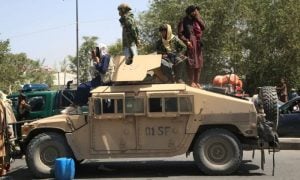
Following the martyrdom of 11 Pakistani military personnel in an October 8 TTP attack, Islamabad carried out limited across-border airstrikes, including a historic first strike on Kabul, aimed at militant leadership.
Afghanistan responded with retaliatory actions, leading to casualties on both sides. The report cautions that Pakistan may respond again if future attacks are traced back to Afghan soil, though it emphasizes that both sides remain aware of the high cost of sustained confrontation.
While the Taliban administration is militarily weaker, the report acknowledges that even limited retaliation could have serious consequences. Kabul’s claims of missile capabilities underline the importance of conflict prevention and confidence-building measures to avoid miscalculation.
South Asia
In the broader South Asian context, Pakistan’s foreign relations remain complex. After brief conflicts in 2025 involving Afghanistan and India, a tense but workable calm currently prevails. The report warns that another major militant attack could disrupt this balance, while also implying that sustained diplomacy could preserve stability.
The ICG lists Pakistan-Afghanistan among 10 conflicts to watch in 2026, alongside other global flashpoints such as Ukraine, the Middle East, parts of Africa, and Venezuela. The assessment reflects a world already facing heightened instability even before Donald Trump’s return to the White House.
The report observes that 2025 was marked by significant bloodshed globally and that 2026 may bring continued challenges. Yet it also highlights renewed international attention to peacemaking, with major powers once again placing conflict resolution higher on the global agenda.
‘Trump effect’
US President Donald Trump’s return has reshaped global crisis management. Campaigning on promises to restore peace, Trump has positioned himself prominently in multiple conflicts, drawing renewed focus to negotiations after years of stalled diplomacy.
While his approach has not yet delivered lasting peace, the report credits Trump with re-energising discussions in several theatres.
His deal-making strategy—leveraging US influence through diplomacy, economic pressure, and incentives—has produced temporary relief in some conflicts, even if durable settlements remain elusive.
The report contrasts Trump’s activism with the limited diplomatic bandwidth of European leaders, who remain preoccupied with security challenges closer to home.
This shifting dynamic, it suggests, places greater responsibility on regional actors like Pakistan to pursue stability through a mix of security preparedness and engagement.
Opportunity for Regional Dialogue
The report reinforces the need for structured Pakistan-Afghanistan engagement, potentially through multilateral or UN-facilitated mechanisms.
Pakistan’s Strategic Leverage
Islamabad’s central role in South Asian security gives it diplomatic weight to shape counter-terrorism cooperation.
Global Attention on Peace-making
With renewed focus from major powers, Pakistan can align its security concerns with broader international peace initiatives
Preventing Escalation
Sustained communication channels remain the most effective tool to avoid miscalculation and protect civilian lives on both sides of the border.